Eclectic Style 101: Master Eclectic Mix Patterns and Colors With Ease!
If you’ve ever walked into a room filled with a mix of textures, patterns, and colors that somehow feel perfectly balanced, you’ve experienced the magic of eclectic style. It’s bold, playful, and endlessly creative a style that invites you to express your personality without being restricted by strict rules. But for beginners, the idea of combining furniture from different eras, textiles with varying patterns, and colors that don’t always “match” can feel intimidating. That’s where this guide comes in.
This Eclectic Style 101: How to Mix Patterns, Textures & Eras guide is designed to help anyone from first-time decorators to seasoned DIYers master the art of eclectic interiors. You’ll discover how to blend bold choices in a way that feels cohesive, learn practical eclectic mix patterns and colors strategies, and gain the confidence to create a home that is uniquely yours.
Eclectic design is all about balance: combining vintage with modern, soft with bold, and patterns that might seem contradictory into a harmonious whole. It’s about experimentation, intuition, and a little bit of fearlessness. By the end of this article, you’ll have the knowledge, inspiration, and tools to confidently transform any space into a vibrant, eclectic haven.
Table of Contents
1- Unlock Creativity With eclectic home décor ideas, Textures & Eras Like a Pro
The first step in mastering Eclectic Style 101: How to Mix Patterns, Textures & Eras is embracing creativity. Eclectic design thrives on personality and boldness, which means there are no strict rules only guiding principles. Think of your home as a canvas where different patterns, textures, and eras come together to tell a story that is uniquely yours.
Start by identifying the elements you love. Eclectic interiors often feature a mix of vintage and modern furniture, layered textiles, and colorful accents. Begin with one or two statement pieces: perhaps a bold patterned sofa or a striking antique sideboard. These become anchors around which you can build your design.
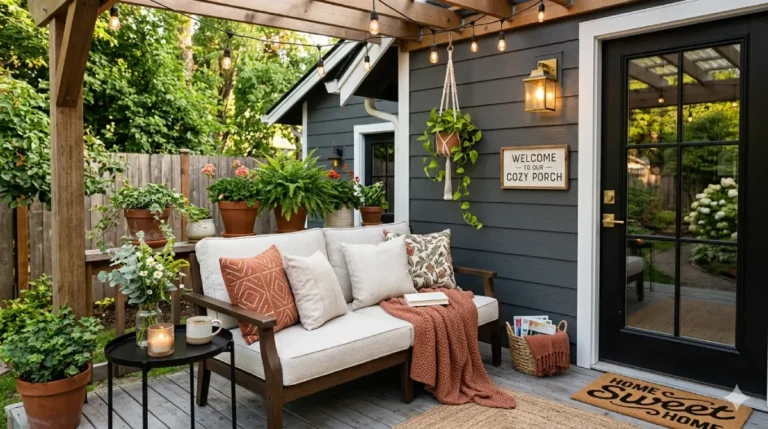
Next, consider textures. Combining smooth leather, soft velvet, woven rattan, or distressed wood creates a tactile richness that brings rooms to life. In Eeclectic home décor ideas, texture is just as important as color it provides depth and interest, making even small spaces feel layered and dynamic. For instance, pairing a plush velvet pillow with a geometric cotton throw instantly creates a visual contrast that’s pleasing to the eye.
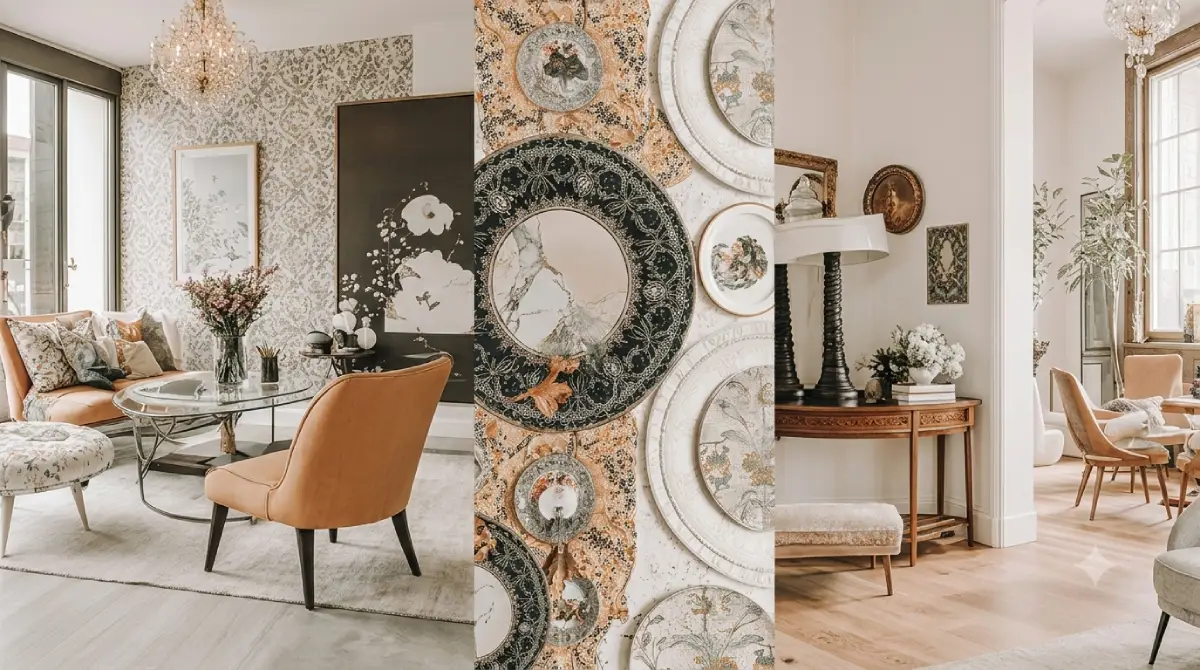
Patterns are the heart of eclectic design. Stripes, florals, geometrics, and animal prints can coexist beautifully if balanced carefully. A simple rule for beginners is to vary scale: pair a large bold pattern with smaller, more subtle designs. For example, a large floral rug can harmonize with small, striped cushions and a subtly printed wallpaper. This creates rhythm in your space and prevents patterns from overwhelming one another.
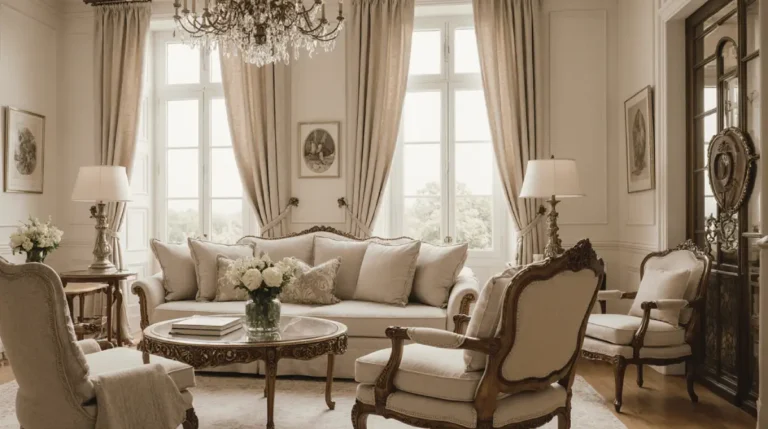
Finally, don’t shy away from mixing eras. A mid-century modern chair can coexist with a rustic farmhouse table, or a Victorian mirror can complement a sleek contemporary sofa. The goal isn’t to match perfectly but to create a curated contrast that feels intentional. By experimenting fearlessly and trusting your instincts, you’ll quickly find your unique eclectic voice and unlock creativity that transforms any space.
2- Beginner-Friendly Ways to Use eclectic color palette ideas to Transform Any Room
One of the most exciting aspects of Eclectic Style 101: How to Mix Patterns, Textures & Eras is its accessibility. Even beginners can transform a room dramatically by focusing on eclectic color palette ideas strategically. The key is to start small and build gradually, layering elements until the room feels cohesive yet vibrant.
Start with a color palette. Even in eclectic design, a unifying palette helps anchor your space. Choose 2–3 base colors and 1–2 accent colors. These tones can appear in your furniture, textiles, and accessories. For example, a neutral base of cream and beige can be complemented by jewel tones like emerald green or sapphire blue. This approach allows bold patterns and textures to shine without clashing.
Next, experiment with pattern mixing. A beginner-friendly approach is to combine one bold pattern with two subtler designs. For instance, a large geometric rug can be paired with polka-dotted cushions and a small-scale floral throw. Mixing patterns of different scales ensures visual interest without overwhelming the senses.
Textures also play a crucial role. Think of layering soft fabrics, rough wood surfaces, and smooth metals within a single room. For example, a sleek leather sofa might sit alongside a woven jute rug, velvet pillows, and a metallic lamp. Each layer adds richness and depth, making the space feel dynamic and multidimensional.
Furniture arrangement can further enhance your eclectic mix. Instead of pushing all pieces to the walls, create conversational clusters with chairs, tables, and ottomans. This allows the different styles and eras to interact organically. Finally, don’t forget accessories decorative vases, quirky art, or unique lighting fixtures bring personality to the space and help tie patterns and colors together.
By starting small and layering thoughtfully, even beginners can confidently use eclectic mix patterns and colors to transform any room from ordinary to extraordinary. The key is to embrace experimentation, trust your instincts, and allow your home to reflect your personality.
3- Mastering Color, Texture, and Shape in eclectic interior design ideas
The true magic of Eclectic Style 101: How to Mix Patterns, Textures & Eras lies in mastering the balance between color, texture, and shape. These three elements are the pillars of successful eclectic interiors, and when used intentionally, they create harmony out of seemingly disparate pieces.
Color is a powerful tool for cohesion. To combine patterns and textures without chaos, consider using a consistent color family across different pieces. For example, varying shades of blue can unify a geometric rug, floral cushions, and patterned wallpaper. This approach ensures visual continuity while still allowing for adventurous pattern mixing.
Texture brings a tactile dimension to your eclectic space. Mixing soft, rough, shiny, and matte surfaces creates a layered feel that keeps the eye engaged. Imagine a velvet armchair paired with a linen throw, a glass coffee table, and a woven wall hanging each texture adds depth and contributes to a rich, inviting environment. Beginners can experiment by introducing one new texture at a time and seeing how it interacts with existing elements.
Shape is equally critical. eclectic interior design ideas often feature contrasting silhouettes rounded chairs with angular tables, circular mirrors with rectangular frames. The key is variety without randomness. Ensure that each shape complements others in scale and proportion. This creates rhythm and visual interest, which is essential when combining furniture and decor from different eras.
Accessories, art, and lighting can reinforce your choices in color, texture, and shape. Statement lighting, bold wall art, and unique decorative objects act as visual anchors that tie together your eclectic elements. Remember, eclectic design isn’t about clutter it’s about thoughtful curation that highlights your personality while maintaining harmony.
By mastering color, texture, and shape, you elevate your eclectic mix patterns and colors from random combinations to intentional, eye-catching interiors. This is the stage where eclectic design truly shines, allowing your creativity to take center stage while your home feels cohesive and stylish.
4- Confidently Style Your Home With Eclectic Mix Patterns and Colors That Truly Pop
Styling is where all the principles of Eclectic Style 101: How to Mix Patterns, Textures & Eras come together. It’s the fun part the stage where you let your personality guide your choices and see your home come alive with color, texture, and history. Confident styling transforms a room from ordinary to extraordinary, showing that eclectic design is both achievable and rewarding.
Start with key pieces that set the tone. A boldly patterned sofa, a vintage armchair, or a striking rug can act as your room’s centerpiece. Once these anchor points are in place, you can introduce secondary elements like throw pillows, art, and decorative objects. These accents allow your eclectic mix patterns and colors to interact naturally, adding energy without overwhelming the space.
Don’t be afraid to experiment with contrast. Pairing soft fabrics with hard surfaces, or muted tones with vibrant accents, creates drama and interest. Mixing eras like a mid-century chair with a contemporary coffee table or a rustic cabinet with modern lighting reinforces the eclectic charm. The key is balance: each contrasting element should feel deliberate, not accidental.
Layering is another styling strategy that makes eclectic interiors pop. Combine rugs, throws, cushions, and artwork in multiple layers to add depth. Play with textures, patterns, and colors to create rhythm throughout the room. Even beginners will notice how layering turns a simple space into a rich, inviting environment.
Finally, personalization is the ultimate finishing touch. Family photos, meaningful collectibles, travel souvenirs, or DIY decor reflect your personality and make the space uniquely yours. Confidently curating these details demonstrates mastery of eclectic color palette ideas and ensures your home doesn’t just look eclectic it feels eclectic.
When you embrace these styling techniques, you’ll find that eclectic design is not intimidating at all. Instead, it becomes a playground for creativity, personality, and self-expression. With a mix of courage, experimentation, and thoughtful curation, your home can become a vibrant, cohesive, and unforgettable space.
Conclusion
Eclectic Style 101: How to Mix Patterns, Textures & Eras proves that interiors can be both bold and harmonious. With a careful blend of colors, textures, patterns, and shapes, anyone even a beginner can create a home that is expressive, stylish, and entirely personal. By applying strategies like layering, balancing contrast, and trusting your instincts, your eclectic space becomes a canvas for creativity.
The magic of eclectic home décor ideas lies in its freedom: there are no mistakes, only opportunities to explore, experiment, and showcase your personality. With these tips on eclectic mix patterns and colors, your home can transform from ordinary to extraordinary, capturing attention and admiration from every corner. Now it’s your turn to mix, layer, and style with confidence your eclectic adventure awaits!
FAQs – Eclectic Style 101: Master Eclectic Mix Patterns and Colors With Ease!
What does eclectic mix patterns and colors mean in interior design?
It refers to combining various patterns, colors, textures, and décor styles to create a unique and visually interesting space.
How do you balance eclectic color palette ideas?
Use a consistent color palette, repeat certain shades throughout the room, and vary pattern sizes to create harmony.
Can eclectic mix patterns and colors work in small spaces?
Yes. Using a few statement patterns and coordinating colors can make small spaces feel vibrant without appearing cluttered.
Which colors work best for eclectic interiors?
Earth tones, jewel tones, neutrals, and bold accent colors can all work together when layered thoughtfully.
How do I avoid making eclectic décor look messy?
Maintain balance by using a common theme, repeating textures, and allowing negative space between decorative elements.
Is eclectic home décor ideas still popular?
Yes. Eclectic interiors remain popular because they encourage personalization and create unique spaces full of character.
What patterns work best in eclectic interiors?
Florals, geometric prints, stripes, abstract motifs, and ethnic patterns are commonly used in eclectic designs.