Whimsical Bedroom Ideas: How to Create a Dreamy, Personal Retreat
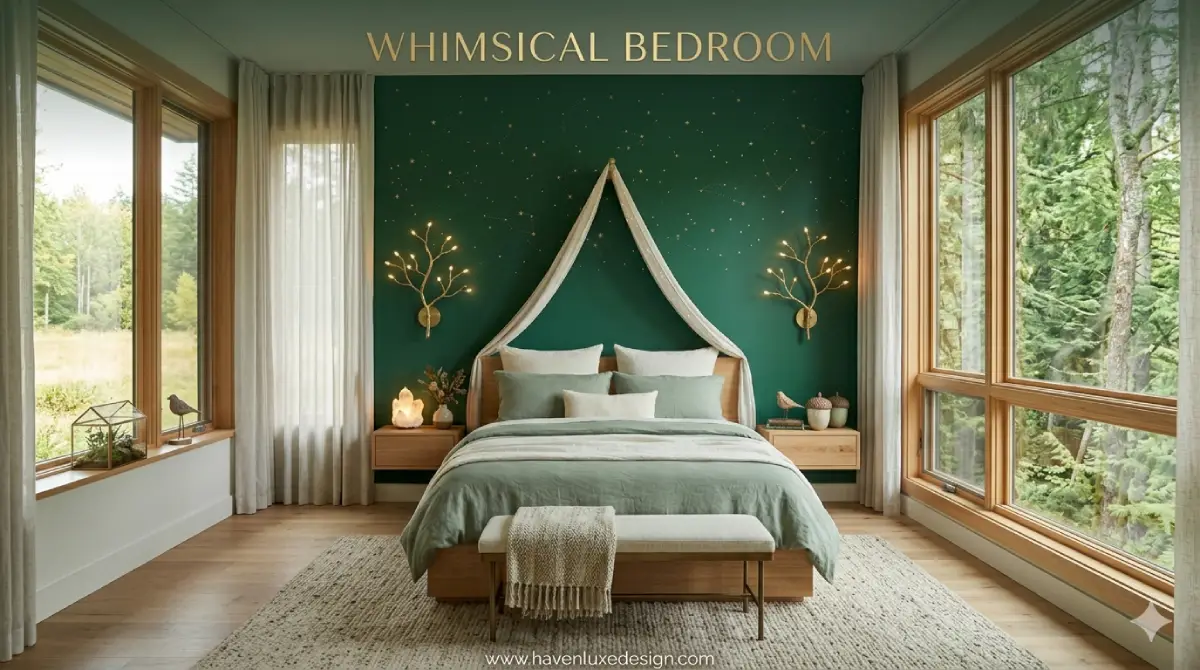
A whimsical bedroom ideas should feel a little unexpected.
It might have a vintage mirror beside a modern nightstand, soft bedding layered with colorful pillows, or a wall covered in botanical artwork. The goal is not to make every corner look like a fairy tale. It is to create a bedroom that feels imaginative, comfortable, and personal.
The easiest way to create that atmosphere is to start with the elements that have the biggest visual impact: color, lighting, furniture, textiles, and wall decor. Once those pieces work together, the smaller decorative details become much easier to choose.
Whether you prefer a subtle whimsical bedroom or a more expressive fairycore-inspired space, these 20 ideas can help you create a room that feels magical without becoming cluttered or childish.
Table of Contents
1. Start With a whimsical bedroom ideas Color Palette
Color is one of the fastest ways to establish a whimsical mood, but you do not need five or six different shades to make the room interesting.
Start with two or three main colors and use them consistently throughout the space.
For a soft and romantic bedroom, consider:
- warm white
- blush pink
- dusty lavender
- muted sage
- light beige
For a more nature-inspired look, combine sage green, warm cream, muted brown, and dusty rose.
If you prefer stronger color, choose one dominant shade and introduce brighter accents in smaller doses.
The key is repetition. If sage green appears in your artwork, for example, repeat a little of that shade in the bedding, rug, or decorative accessories.
2. Make the Bed the Main Focal Point
In most bedrooms, the bed naturally becomes the visual center of the room.
Instead of decorating every wall, make the bed feel special.
A curved headboard can soften a modern bedroom, while a vintage wooden headboard can introduce character. For a more romantic look, a simple canopy frame with lightweight fabric can create height without requiring a major renovation.
Then build the bedding in layers.
A practical combination is:
- fitted sheet
- duvet or comforter
- folded blanket at the foot of the bed
- two or three sleeping pillows
- one or two decorative pillows
Mixing materials is often more effective than simply adding more pillows. Linen, cotton, velvet, and knitted textures can create visual depth without making the bed look overly styled.
3. Use Layered Lighting for a Magical Atmosphere
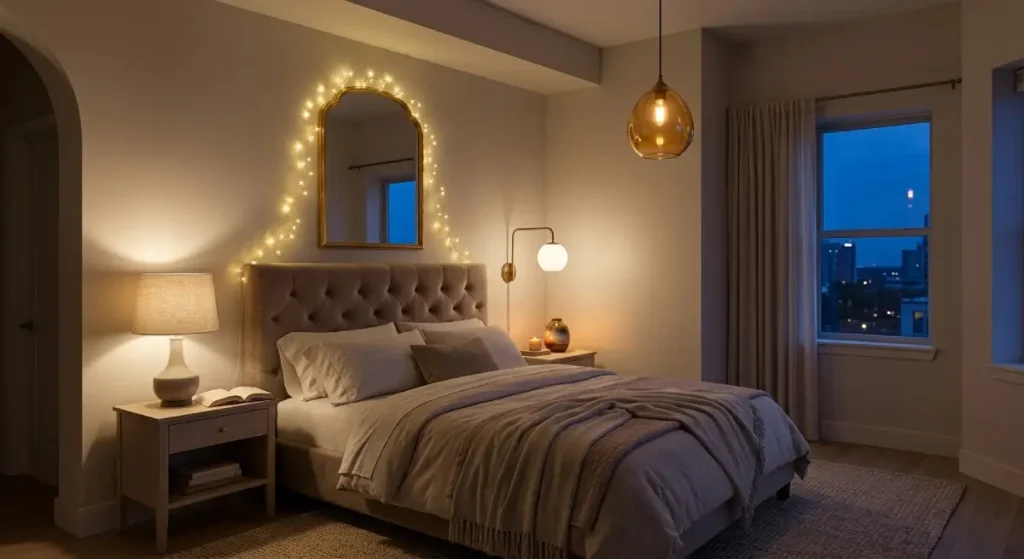
Lighting can completely change how a bedroom feels after sunset.
Instead of relying only on a ceiling fixture, create several smaller sources of light.
| Light source | What it adds |
|---|---|
| Bedside lamp | Practical reading light |
| Wall sconce | Soft light without using nightstand space |
| String lights | Decorative glow |
| Pendant light | A stronger visual focal point |
| Small accent lamp | Warm ambient lighting |
Warm lighting generally works especially well for a cozy bedroom.
String lights can also work beautifully, but placement matters. Rather than covering every wall, try framing a mirror, highlighting a canopy, or placing a short strand around the headboard.
The result feels intentional instead of overly themed.
4. Create a Whimsical Accent Wall
You do not need to decorate every wall.
Choose one surface and give it a stronger personality.
Wallpaper is one option, especially botanical, floral, watercolor, or subtle illustrated patterns. If you prefer paint, muted lavender, dusty rose, sage green, or warm blue can create a similar effect.
For renters or anyone who does not want to commit to wallpaper, consider:
- framed botanical prints
- removable wall decals
- a collection of small artworks
- a large textile wall hanging
- a gallery wall
Pay attention to scale.
A small collection of tiny pictures can disappear on a large wall, while one oversized artwork can make a small bedroom feel crowded.
5. Mix Vintage and Modern Furniture
Whimsical bedroom design becomes more interesting when every piece does not come from the same furniture collection.
A vintage nightstand beside a contemporary bed can create more character than a perfectly matching bedroom set.
Look for pieces with:
- curved edges
- unusual hardware
- painted finishes
- natural wood
- carved details
- vintage-inspired silhouettes
You do not need several antique pieces. One distinctive dresser, chair, mirror, or nightstand may be enough to give the room personality.
6. Create a Small Reading Corner
If your bedroom has enough floor space, use one corner for something other than storage.
A small accent chair beside a floor lamp can create a quiet reading area. In a larger room, a bench at the foot of the bed can provide both seating and a place to put a throw.
For a compact bedroom, keep the arrangement simple.
A slim chair, small stool, or wall-mounted shelf may be enough.
This is one of the easiest ways to make the room feel more personal because it gives the bedroom another function beyond sleeping.
7. Bring in Botanical Bedroom Decor
Plants are an easy way to introduce the natural side of a whimsical bedroom.
You can use:
- a small potted plant on a nightstand
- trailing greenery on a shelf
- dried branches in a ceramic vase
- pressed botanical artwork
- decorative stems near a window
If your bedroom does not receive much natural light, do not fill it with plants that require conditions the room cannot provide.
Dried botanicals or realistic decorative stems can create a similar visual effect.
The goal is to add organic shapes and texture, not turn the bedroom into a greenhouse.
8. Choose an Unusual Decorative Mirror
A distinctive mirror can act almost like artwork.
For whimsical bedroom decor, look for a mirror with an unusual silhouette or interesting frame.
Arched, scalloped, irregular, vintage, and ornate shapes can all work.
Placement matters just as much as the mirror itself.
A mirror opposite or near a window can help reflect daylight. A smaller decorative mirror can work above a nightstand or dresser.
Avoid covering every available wall with mirrors. One memorable piece usually has more impact than several competing ones.
9. Mix Patterns Without Creating Visual Clutter
Whimsical bedrooms can handle pattern, but there should still be a visual hierarchy.
A simple formula is:
one dominant pattern + one smaller pattern + solid textiles
For example:
- floral wallpaper
- striped throw
- solid bedding
Or:
- patterned duvet
- botanical artwork
- plain curtains
Try to keep some connection between the patterns through color.
If one pattern contains sage green and cream, repeat those colors somewhere else in the room. That small connection helps different prints feel intentional rather than random.
10. Give the Ceiling Some Attention
The ceiling is often forgotten when decorating a bedroom.
For a more imaginative space, consider painting it a subtle color rather than leaving it bright white.
A pale blue ceiling can create a soft sky-like effect. A warm cream can make the room feel more enveloping.
If you want something more decorative, a statement pendant light or carefully designed canopy can draw attention upward.
Keep safety in mind when adding anything above the bed. Lightweight decorative materials should be securely installed and kept away from heat sources and electrical fixtures.
11. Choose a Bedroom Rug That Fits the Space
A rug can make a bedroom feel considerably more comfortable, especially when the floor is hardwood or another hard surface.
Choose the rug according to the size and placement of the bed rather than simply buying the smallest option that fits beside it.
For a queen-size bed, a larger rug extending beyond the sides and foot of the bed usually creates a more balanced appearance than a tiny accent rug.
If your bedroom is small, two smaller runners placed beside the bed can also work.
Choose the texture according to the atmosphere you want:
- wool for warmth and durability
- cotton for a lighter feel
- vintage-style rugs for character
- plush textures for a softer bedroom
12. Keep the Nightstand Beautiful but Functional
A whimsical bedroom does not need a nightstand covered in decorative objects.
Keep the essentials first.
A practical arrangement could include:
- a lamp
- a book
- a small vase or plant
- one personal object
Leave some empty surface area.
That negative space keeps the room from feeling visually crowded and makes the decorative pieces you choose more noticeable.
13. Choose Artwork That Feels Personal
Instead of choosing artwork simply because it matches the bedding, look for pieces that create an emotional connection.
Botanical illustrations, landscapes, abstract paintings, vintage prints, photography, and handmade artwork can all work beautifully.
You can also create a small gallery wall using different frame styles.
The trick is to connect the pieces through at least one element, such as color, subject, or frame finish.
A collection should look curated rather than accidental.
14. Create a Fairycore Bedroom With Restraint
Fairycore and whimsical decor naturally overlap, but you do not need to turn the entire bedroom into an enchanted forest.
Start with natural materials such as:
- linen
- rattan
- unfinished or lightly finished wood
- wicker
- ceramic
- dried flowers
Then add one or two imaginative elements, such as botanical artwork, delicate lighting, or a vintage mirror.
Keeping the foundation simple allows the more magical details to stand out.
15. Add Texture Instead of More Accessories
When a bedroom feels empty, the first instinct is often to buy more accessories.
Try texture first.
A knitted throw, linen curtains, a textured rug, woven baskets, and upholstered furniture can make a room feel much richer without adding dozens of objects.
This approach is particularly useful if you prefer a sophisticated whimsical bedroom rather than a heavily decorated one.
16. Make a Small Bedroom Feel Whimsical
Small bedrooms can still have plenty of personality.
The key is choosing decorative elements that do more than one job.
For example:
- use a mirror to add character and reflect light;
- choose a bed with built-in storage;
- use wall-mounted lighting instead of bulky lamps;
- place artwork vertically to emphasize ceiling height;
- choose one statement wall instead of decorating every surface.
Avoid filling a small room with oversized furniture simply because the pieces look beautiful individually.
The best small bedroom is one that remains comfortable to move around in.
17. Create an Adult Whimsical Bedroom
Whimsical does not have to mean childish.
For an adult bedroom, combine playful details with more refined materials.
Try:
- warm neutrals with one unexpected color
- vintage brass or aged metal
- linen bedding
- sculptural lighting
- natural wood
- artistic wallpaper
- oversized artwork
Instead of novelty motifs, you might choose botanical illustrations, abstract shapes, vintage photography, or an unusual sculptural lamp.
The result can feel imaginative while still looking polished.
18. Decorate a Whimsical Bedroom on a Budget
You do not need to replace the entire bedroom to change its atmosphere.
Start with the elements that make the biggest visual difference.
A new paint color, bedding, rug, curtains, or lighting fixture can completely shift the room.
For smaller changes, try:
- changing drawer hardware
- reframing existing artwork
- rearranging furniture
- adding a vintage mirror
- using thrifted accessories
- repurposing simple textile pieces
- moving plants into more visible positions
Before buying anything, look at what you already own.
Sometimes the most effective makeover comes from editing and rearranging rather than shopping.
19. Avoid Common Whimsical Bedroom Mistakes
A few choices can make a whimsical bedroom feel cluttered instead of charming.
Using Too Many Themes
Fairycore, boho, vintage, cottagecore, and maximalism can overlap, but trying to represent all of them equally can make the room confusing.
Choose one dominant direction.
Matching Everything
A completely coordinated bedroom can feel flat.
Mix finishes, textures, and one or two unexpected pieces.
Using Too Many Small Accessories
Small objects accumulate quickly.
Choose fewer pieces with more visual impact.
Ignoring Function
A beautiful bedroom still needs practical lighting, storage, comfortable bedding, and enough space to move around.
Decorating Every Surface
Empty space is part of good design.
Let some shelves, walls, and tabletops breathe.
20. Finish With Something That Feels Like You
The final element should not come from a trend.
It could be a framed photograph, a vintage object from a family member, a painting you love, a handmade piece, or a collection from your travels.
That personal layer is what separates a beautifully decorated bedroom from a room that simply looks like a catalog.
Whimsical design works best when the room tells a small story about the person who lives there.
A Simple Formula for Creating Your Own Whimsical Bedroom
If you are unsure where to begin, use this simple sequence:
1. Choose your base color.
Start with a calm neutral or soft color.
2. Pick one accent color.
Use it in small doses throughout the room.
3. Establish the bed as the focal point.
Choose bedding and a headboard that define the mood.
4. Add one distinctive piece.
A vintage mirror, unusual nightstand, statement lamp, or artwork can work.
5. Layer your lighting.
Combine functional and ambient sources.
6. Introduce texture.
Use linen, wool, cotton, rattan, velvet, or knitted materials.
7. Add nature.
Use plants, botanicals, wood, or dried flowers.
8. Edit the accessories.
Remove anything that does not contribute to the overall feeling.
This approach keeps the decorating process manageable and helps you avoid buying random pieces that never quite work together.
Frequently Asked Questions
What colors are best for a whimsical bedroom?
Soft colors such as warm white, blush, lavender, sage, dusty blue, and muted pink are popular choices. For a more sophisticated look, combine one soft color with warm neutrals and natural wood.
How can I make a bedroom whimsical without making it look childish?
Focus on materials, shapes, and lighting rather than novelty decorations. Vintage furniture, botanical artwork, sculptural lighting, linen bedding, and unusual mirrors can create a whimsical atmosphere while keeping the room sophisticated.
Can I create whimsical bedroom decor in a small space?
Absolutely. Choose one focal point, use vertical wall space, keep furniture appropriately scaled, and let mirrors and layered lighting add visual interest without taking up much floor space.
What is the difference between whimsical and fairycore whimsical bedroom ideas?
Whimsical design is a broader approach that can include playful colors, unusual furniture, artistic details, and unexpected combinations. Fairycore is more specifically inspired by nature, folklore, woodland imagery, vintage elements, and an enchanted atmosphere.
How can I create a whimsical bedroom on a budget?
Start with what you already own. Rearrange furniture, repaint a small piece, change the bedding, add secondhand artwork, or introduce a new lamp or mirror. A few carefully chosen changes can have more impact than buying many inexpensive decorations.
Should everything in a whimsical bedroom match?
No. Some contrast usually makes the room more interesting. Try mixing modern and vintage pieces, different textures, or complementary patterns while keeping a consistent color palette.
Final Thoughts
The best whimsical bedrooms are not necessarily the ones with the most decoration.
They are the rooms where color, texture, lighting, furniture, and personal objects work together to create a particular feeling.
Start with the atmosphere you want rather than a shopping list. Maybe you want a calm botanical retreat, a colorful creative space, or a softly romantic bedroom with vintage character.
Once you know that direction, choose a few strong elements and let them lead the design.
A whimsical bedroom should ultimately feel like a place where you can relax, dream, and be yourself. The magic comes from the details, but the personality comes from you.