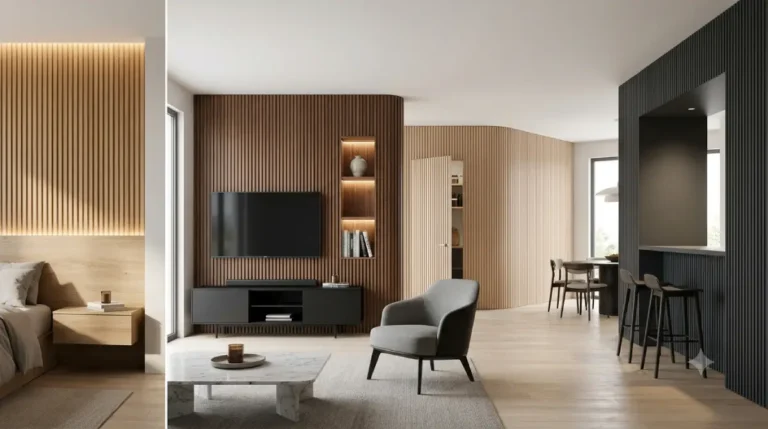
How to Choose Wall Colors Based on Room Size
Choosing the perfect wall color can transform a room, making it feel spacious, cozy, vibrant, or soothing. However, selecting the right hue isn’t just about personal preference – the size of the room plays a critical role in how colors are perceived. If you’ve ever wondered how to choose wall colors based on room size, this guide will provide practical, exciting tips to help you make confident choices.
Small rooms can feel cramped if dark colors overwhelm the space, while large rooms can seem cold or impersonal without the right balance. By understanding the impact of color on perception, lighting, and mood, you can create interiors that are visually harmonious and inviting. From maximizing space in small rooms to creating bold statements in large areas, this article explores everything you need to know to choose wall color based on room size effectively.
Whether you’re decorating a cozy apartment, revamping your living room, or designing a spacious open-concept area, these strategies will help you make informed, stylish choices that elevate your interior design.
Table of Contents
Maximizing Space: How to Choose Wall Colors Based on Room Size for Small Rooms
Small rooms can easily feel cramped, cluttered, or overwhelming if the wrong colors are used. Understanding how to choose wall colors based on room size for compact spaces is crucial for creating a sense of openness and comfort. Light, airy hues are key here. Shades like soft whites, pale grays, muted blues, and gentle pastels can make walls appear to recede, giving the illusion of more space. These colors reflect natural and artificial light, enhancing brightness and preventing the room from feeling closed in.
When selecting colors for small rooms, consider the ceiling as well. Painting the ceiling in a light shade similar to the walls can make the room feel taller, creating an expansive, airy vibe. Avoid heavy, dark colors unless they are applied strategically, such as an accent wall or in areas with sufficient natural light. Even then, pairing darker shades with lighter furniture, mirrors, or metallic finishes can maintain a sense of balance and avoid visual heaviness.
Another critical factor is color continuity. In small apartments or adjoining rooms, using similar light tones throughout helps the spaces flow seamlessly. This continuity prevents small rooms from feeling chopped up or visually confined. Additionally, reflective surfaces like glass, polished metals, or glossy paints amplify light, further enhancing the perception of space.
Textures and finishes also influence how colors are perceived in small rooms. Matte finishes tend to absorb light, which may reduce the sense of openness, while satin or eggshell finishes reflect a bit of light, helping the room feel larger. Furniture, décor, and rugs in complementary shades support the wall color choice and create a cohesive design.
By applying these techniques, anyone can master how to choose wall colors based on room size for small rooms. Light, cohesive colors, reflective elements, and mindful finishes will maximize every inch, transforming a tiny area into a bright, inviting sanctuary that feels far bigger than it is.
Bright and Bold: Tips to Choose Wall Color Based on Room Size for Large Rooms
Large rooms present a unique set of challenges. They can feel empty, cold, or impersonal if wall colors are too muted or light. Learning to choose wall color based on room size for expansive spaces involves embracing boldness, balance, and warmth. Darker, richer colors can help a large room feel cozy and inviting. Deep blues, warm taupes, charcoal grays, and even saturated jewel tones add character and intimacy to spacious interiors.
When choosing colors for large rooms, consider the room’s function. Living rooms and entertainment spaces can benefit from warmer, moodier tones that create a welcoming atmosphere. Home offices or creative spaces may be invigorated with bright, energetic hues such as vibrant greens or soft oranges. Strategic placement of accent walls or color blocks can break up the expanse and create focal points, guiding the eye naturally around the space.
Natural and artificial lighting also plays a huge role. Large rooms often have multiple light sources or large windows. Choosing a color that adapts well to changing light conditions ensures that the room always feels balanced. For instance, a medium-toned gray may read lighter during daylight and richer in the evening, offering flexibility and sophistication.
To enhance depth and dimension in large spaces, layering shades and textures is effective. Combining wall colors with complementary furniture, artwork, or textiles can prevent the room from feeling monotonous. Contrasting trim colors or subtle gradients can add visual interest without overwhelming the senses.
By thoughtfully selecting wall colors and layering design elements, you can master how to choose wall colors based on room size for large rooms. Bold, well-considered hues create warmth, intimacy, and personality, transforming expansive spaces from cold and empty to dynamic and stylish.
Creating Mood and Atmosphere: How to Choose Wall Colors Based on Room Size with Light and Dark Shades
Color isn’t just decorative – it shapes mood and atmosphere. Understanding how to choose wall colors based on room size with light and dark shades allows you to craft a room that feels exactly as intended, whether serene, energizing, or dramatic. Light colors generally make rooms feel larger, airy, and calm. Pale blues evoke tranquility, soft greens refresh, and off-whites create timeless elegance. These shades are particularly effective in small to medium spaces where brightness is essential.
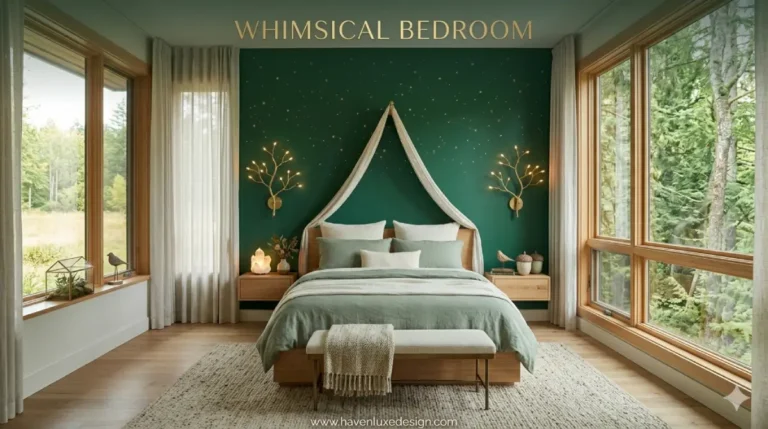
Conversely, dark colors add warmth, sophistication, and intimacy. Deep navy, forest green, and charcoal gray bring a cocooning effect, ideal for large spaces or rooms where a sense of luxury is desired. Using dark shades on walls facing windows or light sources creates striking contrast and highlights architectural features.
Balancing light and dark shades within a room can dramatically improve spatial perception. For example, painting one wall a darker tone as an accent while keeping other walls light adds depth and dimension. This approach can visually elongate walls, define zones, and make a room feel proportionate regardless of its actual size.
Color temperature also influences mood. Warm shades (reds, yellows, oranges) tend to energize, while cool tones (blues, greens, purples) relax. By aligning wall color with both room size and the intended emotional effect, you can ensure a cohesive, intentional design. Consider the interplay of natural light, artificial light, and reflective surfaces when selecting shades to guarantee consistency throughout the day.
Mastering how to choose wall colors based on room size using light and dark shades enables you to create rooms that are not only visually appealing but also emotionally engaging. Every hue has the power to transform how a space feels, and careful selection ensures the result matches your vision.
Accent Walls and Visual Tricks: How to Choose Wall Colors Based on Room Size for Stunning Effects
Accent walls and visual tricks are powerful tools when learning how to choose wall colors based on room size. They allow you to manipulate perception, highlight architectural features, and inject personality without overwhelming the room. A single, darker accent wall can make a large room feel more intimate, while a vertical stripe can draw the eye upward, creating the illusion of higher ceilings in smaller rooms.
Choosing the right wall for an accent is key. In living rooms, consider the wall behind a sofa or fireplace; in bedrooms, the wall behind the headboard; in dining rooms, the wall that naturally catches the eye upon entry. The contrast between the accent wall and surrounding walls should be noticeable but harmonious, reinforcing the room’s proportions rather than clashing.
Other visual tricks include color blocking, horizontal stripes, or two-tone walls. Light colors on the top half and slightly darker shades on the lower half can make ceilings feel taller. Conversely, a darker ceiling paired with lighter walls can create a cozy, intimate effect in larger spaces. Using reflective or metallic finishes selectively enhances these effects, amplifying light and adding dimension.
Incorporating patterns, textures, or murals also allows you to play with room size perception. For example, vertical stripes can elongate walls, diagonal patterns can create a sense of movement, and subtle textures can add depth. Combining these strategies with your knowledge of how to choose wall colors based on room size ensures every space is visually stunning and perfectly proportioned.
By leveraging accent walls and visual tricks, you can turn any room large or small into a captivating, well-balanced space that reflects both style and spatial intelligence.
Conclusion
Mastering how to choose wall colors based on room size is essential for creating visually harmonious, inviting, and stylish interiors. From maximizing space in small rooms to making large rooms feel cozy, understanding the effects of light, dark, and bold shades allows you to design with confidence. By incorporating accent walls, layering textures, and considering the emotional impact of colors, you can transform any room into a functional, aesthetically pleasing environment.
Whether you are a first-time decorator or an experienced interior designer, applying these strategies ensures that your color choices enhance space, mood, and overall design. With the right approach, you can confidently choose wall color based on room size to create rooms that are both beautiful and perfectly proportioned.
FAQs about How to Choose Wall Colors Based on Room Size
Q1: How does room size affect wall color choice?
A: Light colors tend to make small rooms feel larger and more open, while darker colors can make large rooms feel cozy and intimate. The right balance can enhance your room’s proportions.
Q2: Can I use bold colors in a small room?
A: Yes, but it’s best to use them as accents on one wall or through décor elements rather than painting all walls dark, which can make the space feel cramped.
Q3: Are there rules for combining colors in rooms of different sizes?
A: Generally, keep the color palette lighter for smaller spaces and feel free to experiment with contrasting or darker shades in larger rooms. Using a mix of warm and cool tones can add depth and balance.
Q4: How do natural and artificial lighting affect wall color perception?
A: Natural light can make colors appear brighter, while artificial light can alter tones depending on the bulb type. Test paint samples in different lighting before making a final choice.
Q5: What are some tips for making a small room appear bigger with color?
A: Use light, neutral shades on walls and ceilings, keep furniture minimal and low-profile, and incorporate mirrors to reflect light and enhance the sense of space.