Common Home Decor Mistakes to Avoid
Decorating your home is one of the most exciting ways to express your personality and create a space that feels comfortable, stylish, and inviting. Yet, even the most passionate home decorators can fall into traps that subtly sabotage the look and feel of their interiors. Understanding common home decor mistakes to avoid can save you time, money, and a lot of frustration, while helping you design spaces that are cohesive, functional, and visually appealing.
From cramped apartments to sprawling homes, the same principles apply: avoid clutter, make intentional choices, and pay attention to proportions, lighting, and color balance. Small missteps like choosing the wrong furniture size, ignoring natural light, or mismatching color tones can make even the most expensive renovations look unpolished. By learning which pitfalls to steer clear of, you can confidently transform your home into a space that truly reflects your style and enhances your daily life.
In this guide, we’ll explore interior design mistakes to avoid, with a focus on small spaces, color, furniture, and lighting, providing actionable tips that will elevate your interior design game.
Table of Contents
1- Overcoming Common Home Decor Mistakes to Avoid: Expert Tips for Stylish Spaces
One of the most frequent issues homeowners face is committing subtle but impactful mistakes that undermine a room’s potential. Recognizing common home decor mistakes to avoid is the first step toward creating a stylish, balanced space.
A major mistake is overfilling rooms with furniture or decor. While it’s tempting to showcase every cherished item or add multiple seating options, overcrowding a space diminishes its flow and makes it feel cramped. Instead, focus on selecting key statement pieces that anchor the room while leaving enough breathing space. Proper spacing between furniture enhances movement and creates a sense of order.
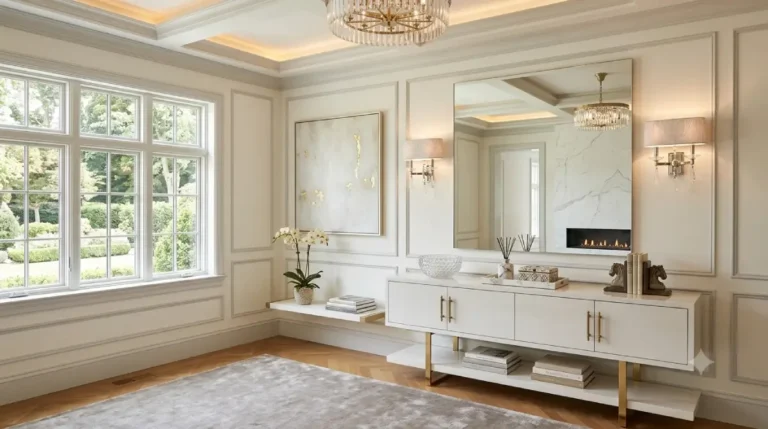
Another prevalent mistake is ignoring the room’s focal point. Every space benefits from a visual anchor a fireplace, a large piece of art, or a striking piece of furniture. Many homeowners arrange their decor randomly without emphasizing a central element, which can make a room feel disorganized. Planning around a focal point ensures that all elements harmonize rather than compete for attention.
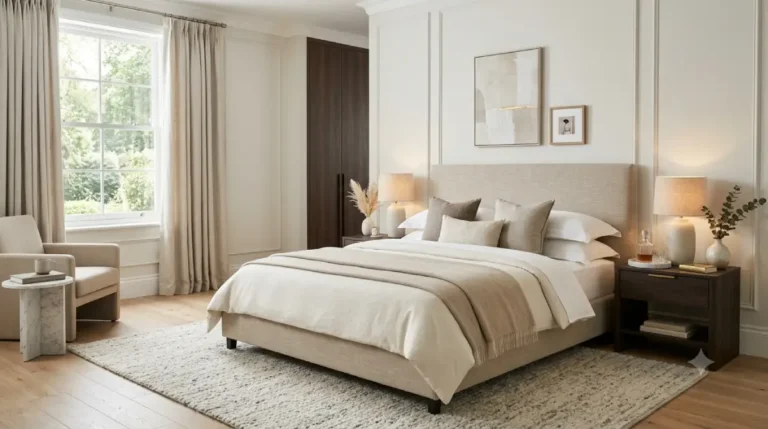
Texture and layering are also frequently overlooked. Relying solely on flat colors or materials can create a dull environment. Incorporating varied textures plush rugs, soft throws, sleek metals, and natural wood adds depth and visual interest. In addition, layering lighting with a combination of overhead, task, and accent lights prevents the space from feeling flat or uninviting.
Lastly, personal style and function must coexist. A room that looks stunning in photos but doesn’t accommodate your daily life is ultimately ineffective. Balancing aesthetics with functionality ensures that your home is both beautiful and practical, avoiding one of the most common decor pitfalls.
By consciously addressing these issues, you’ll master common home decor mistakes to avoid and set the foundation for interiors that are stylish, functional, and welcoming.
2- interior design mistakes to avoid: How to Make Compact Rooms Look Spacious and Chic
Decorating small spaces presents a unique set of challenges, making it critical to understand interior design mistakes to avoid. Without careful planning, compact rooms can feel cluttered, cramped, and uninspiring.
A primary error is using oversized furniture. Large sofas, bulky coffee tables, and oversized storage units can overwhelm small rooms. Instead, opt for appropriately scaled pieces that maximize function without occupying too much floor space. Multipurpose furniture, like storage ottomans or foldable desks, is a smart solution to increase usability while maintaining openness.
Another common mistake is neglecting vertical space. Many homeowners focus only on floor space, ignoring walls and ceilings. Vertical storage solutions such as tall bookshelves, floating shelves, or wall-mounted cabinets free up floor space and create an illusion of height. Mirrors also work wonders by reflecting light and making a small room feel airy and expansive.
Clutter is another frequent pitfall. Overdecorating surfaces with knick-knacks, photos, and accessories can make a small space feel chaotic. Adopt a minimalist approach, keeping only essential or meaningful items on display. Group decorative elements thoughtfully, and rotate accessories seasonally to maintain freshness without overwhelming the room.
Color choices are equally crucial. Dark, heavy colors can make compact rooms feel even smaller. Light, neutral, or pastel hues help walls recede visually, while bright accent pieces add energy without overpowering the space. Maintaining a consistent color palette enhances cohesion and ensures the room feels larger and more harmonious.
Lastly, neglecting lighting can undermine small space decor. Poorly lit rooms feel closed in, regardless of color or furniture arrangement. Incorporate multiple light sources, including ceiling fixtures, floor lamps, and task lighting, to brighten every corner. Proper illumination highlights design features, improves mood, and enhances the perception of space.
By avoiding these small space decor mistakes to avoid, you can create compact rooms that are stylish, functional, and surprisingly spacious.
3- Color and Furniture Choices: home decorating mistakes for a Harmonious Look
Color and furniture selection can make or break a room’s aesthetic. Many homeowners make critical errors in this area, highlighting the importance of understanding home decorating mistakes.
One major mistake is failing to consider color undertones. Choosing colors without analyzing undertones can result in clashing walls, flooring, and furniture. For example, pairing a warm-toned sofa with cool-toned walls may create visual dissonance. Test paint samples in different lighting conditions and consider how furnishings interact with the color palette to achieve harmony.
Another frequent error is mismatched furniture scale. Oversized furniture in a medium room can make it feel crowded, while tiny pieces in a large room appear lost. Aim for proportional arrangements where furniture fills the space comfortably without dominating it. Group furniture logically to encourage conversation and functionality.
Ignoring cohesion in style and materials is also common. Mixing too many furniture styles, patterns, or materials without intentionality can make a room feel chaotic. Select a unifying theme modern, traditional, or eclectic and incorporate subtle variations to maintain interest without sacrificing cohesion.
Accessories, rugs, and textiles should complement both furniture and wall colors. Overly bold patterns or clashing textures can create visual tension. Instead, use rugs and throws to tie colors together and introduce subtle contrast. This attention to detail prevents common mistakes that compromise the room’s balance.
By making thoughtful choices in color and furniture, you can avoid the most frequent common home decor mistakes to avoid, resulting in interiors that feel harmonious, elegant, and well-planned.
4- Lighting and Accessories: interior decorating tips That Can Transform Your Home
Lighting and accessories often determine a room’s final impression, yet they are among the most frequently mishandled aspects of home design. Recognizing small space decor mistakes to avoid in this area can dramatically enhance your interiors.
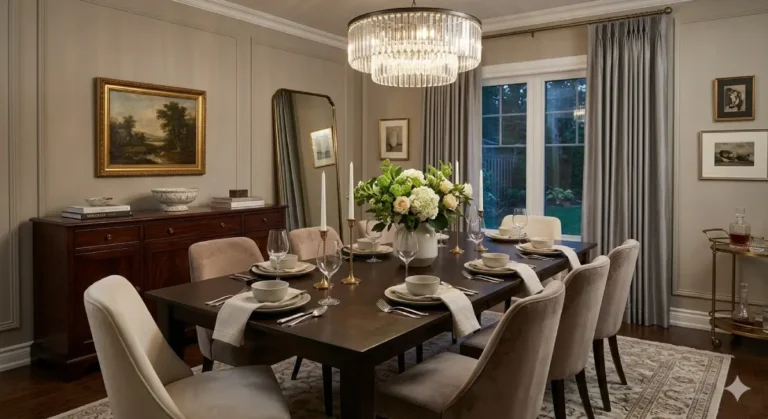
A typical mistake is relying on a single overhead light. Layered lighting including ambient, task, and accent lighting is essential for functionality and atmosphere. Use wall sconces, table lamps, and LED strips to brighten corners and create visual depth. Good lighting not only improves usability but also enhances the perception of space in small rooms.
Another common error is overcrowding surfaces with accessories. While personal touches add charm, excessive decor on shelves, tables, or countertops can make a room feel cramped. Group items in odd numbers, use trays or containers to organize, and rotate pieces to maintain a clean and dynamic look.
Mirrors are often underutilized in small spaces. They reflect light and expand perceived dimensions, turning compact rooms into seemingly larger, airier areas. Position mirrors across from windows or light sources for maximum effect.
Finally, neglecting functional accessories can limit the room’s usability. Consider storage baskets, decorative boxes, or multifunctional furniture that combines style with practicality. This approach ensures small spaces remain organized, stylish, and clutter-free.
By addressing interior decorating tips in lighting and accessories, you can transform your home into a well-lit, functional, and visually appealing environment, regardless of size.
Conclusion
Avoiding common home decor mistakes is key to creating a home that is both beautiful and functional. From careful furniture selection and color choices to effective lighting and thoughtful use of accessories, every detail contributes to a harmonious and inviting space. For compact rooms, understanding small space decor mistakes to avoid ensures your interiors feel open, stylish, and comfortable.
By implementing these strategies, you can confidently design rooms that are visually stunning, practically arranged, and perfectly reflective of your personal style. Avoid the pitfalls, embrace intentional design choices, and transform your home into a space you’ll love for years to come.
Ultimately, great interior design is not about following every trend but about creating spaces that support your lifestyle and bring a sense of comfort and balance. Taking the time to evaluate layouts, maintain visual harmony, and prioritize functionality can make a significant difference in the overall feel of your home. Even small adjustments, such as improving lighting, reducing clutter, or incorporating meaningful decorative elements, can dramatically enhance your interiors. By learning from home decorating mistakes and making thoughtful design decisions, you can create a timeless home that feels welcoming, organized, and uniquely yours.
FAQs about Common Home Decor Mistakes to Avoid
What are the most interior decorating tips?
Some of the most common mistakes include poor lighting, choosing furniture that is too large or too small, overcrowding rooms, ignoring scale and proportion, and selecting inappropriate color schemes.
Why does my home feel cluttered even after decorating?
Too many decorative items, excessive furniture, and lack of storage can make spaces feel visually crowded and uncomfortable.
How can I make my home décor look more professional?
Focus on balance, proper furniture arrangement, layered lighting, cohesive color palettes, and incorporating textures thoughtfully.
Is matching all furniture a home decorating mistakes?
Yes. Overmatching furniture can make a room look flat and uninspired. Mixing materials, textures, and accent pieces often creates a more dynamic design.
How important is lighting in home décor?
Lighting is one of the most important aspects of interior design because it affects mood, functionality, and the overall appearance of a space.
Can small decorating mistakes affect property value?
Yes. Poor layouts, outdated décor, and neglected interiors can reduce a home’s appeal to potential buyers.