Classic vs Modern Interior Design: Key Differences You Must Know
Interior design is more than just arranging furniture or choosing paint colors it’s about creating a living space that reflects personality, lifestyle, and timeless style. One of the most common questions homeowners and design enthusiasts face is: “Classic vs Modern Interior Design: What’s the Difference?” Understanding this distinction is crucial because each style carries its own philosophy, visual language, and impact on a space’s atmosphere.
The modern vs classic interior design differences are not just about aesthetics they shape how you feel and interact with your home. Classic design emphasizes elegance, ornamentation, and tradition, while modern design prioritizes simplicity, clean lines, and functional minimalism. By exploring the nuances of each style, you can make informed decisions for your home, mix elements confidently, and create spaces that are both functional and visually compelling.
This article dives deep into the world of classic and modern interiors. We’ll explore key characteristics, color palettes, materials, textures, furniture layouts, and décor tips. By the end, you’ll have a clear understanding of classic vs modern interior design: what’s the difference and how to incorporate these principles into your own home.
Table of Contents
Defining Style: Classic vs Modern Interior Design – What’s the Difference?
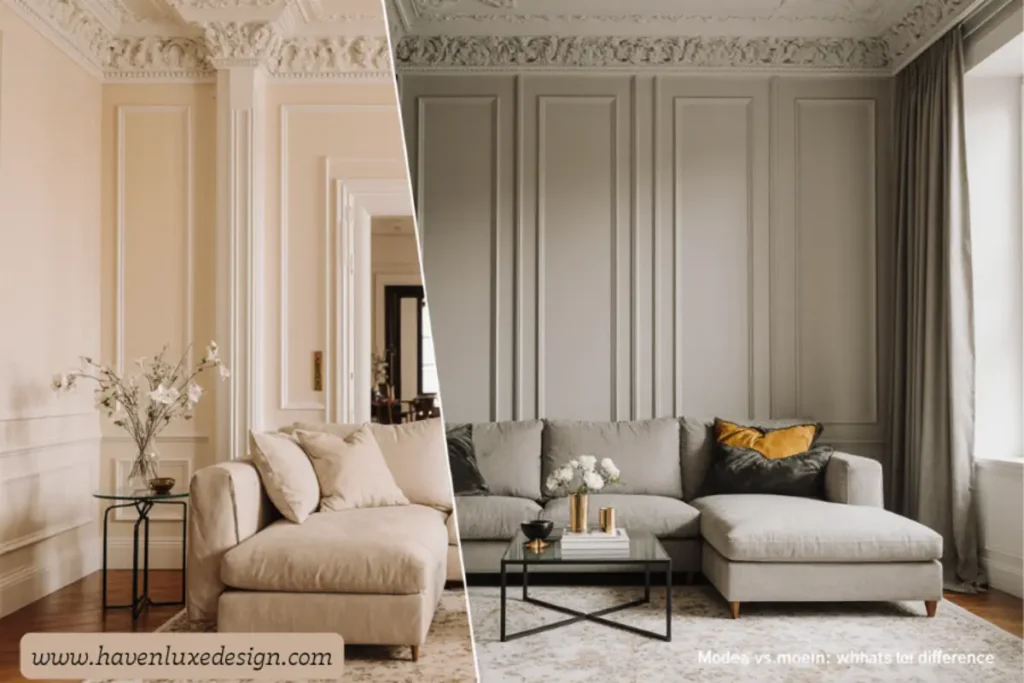
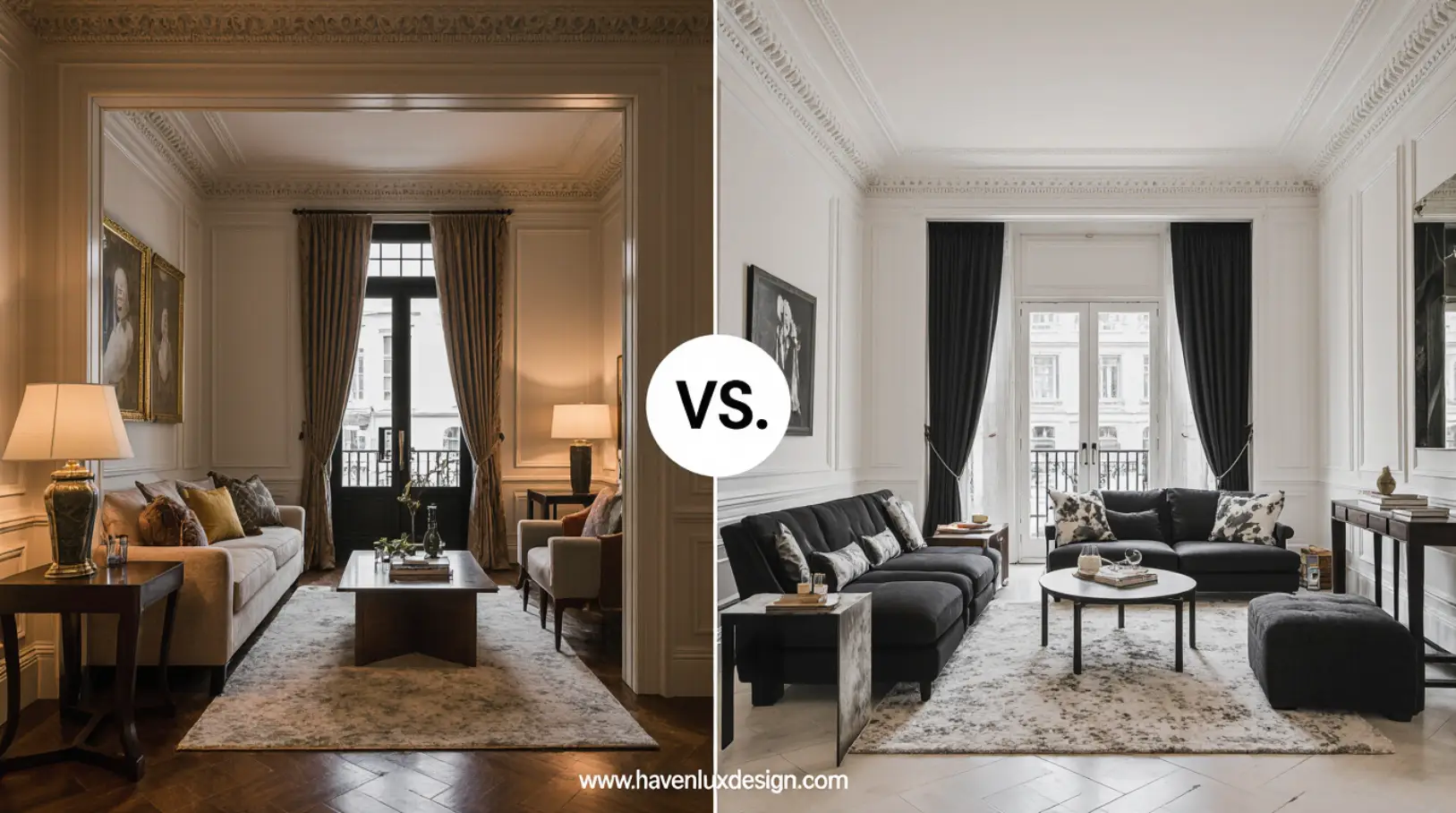
When comparing classic vs modern interior design: what’s the difference, it’s important to start with the core philosophy of each style. Classic interior design, sometimes referred to as traditional or timeless design, is rooted in history. It draws inspiration from European interiors, particularly those of the 18th and 19th centuries, where ornate detailing, symmetry, and elegance were paramount. Think grand moldings, intricate carvings, luxurious fabrics, and furniture pieces that tell a story. Classic design evokes sophistication and a sense of permanence.
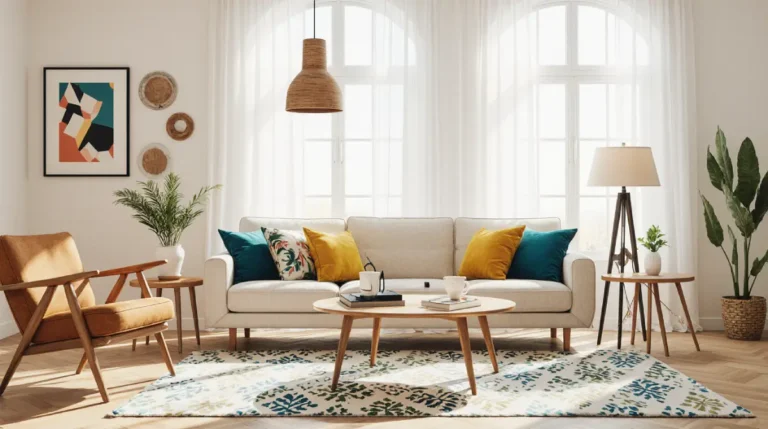
Modern interior design, on the other hand, emerged in the early 20th century as a response to the excesses of ornamental styles. The mantra here is “less is more.” Modern spaces emphasize clean lines, open layouts, minimal ornamentation, and functionality. The goal is efficiency without sacrificing style. Large windows, neutral palettes, and natural materials are hallmarks of modern interiors, creating spaces that feel airy, uncluttered, and inviting.
The key modern vs classic interior design differences also lie in emotional impact. Classic interiors often feel formal and stately, while modern interiors exude relaxation, simplicity, and ease of living. Understanding this emotional distinction is crucial when deciding which style resonates with your lifestyle.
Another major distinction is adaptability. Classic interiors tend to be less flexible because of their strong adherence to traditional elements, whereas modern design is highly adaptable, easily integrating with other contemporary or eclectic styles. Recognizing these differences helps homeowners choose the style that aligns with both personality and functionality.
Key Features and Elements Highlighting Modern vs Classic Interior Design Differences
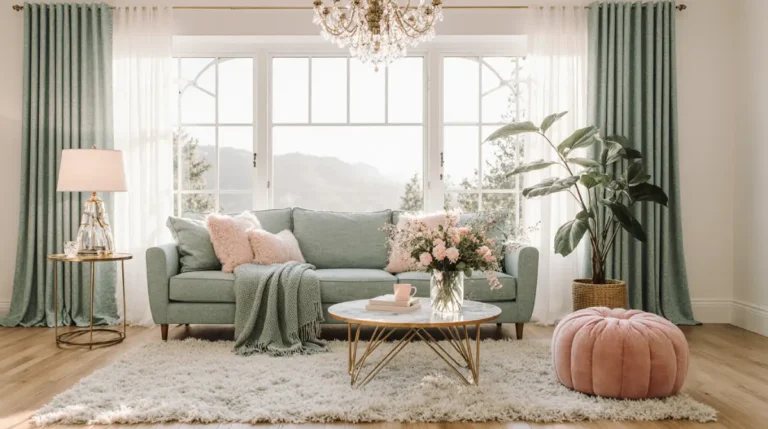
Identifying the defining features is essential when exploring modern vs classic interior design differences. Classic design prioritizes symmetry and balance. Rooms are often arranged around a central focal point, such as a fireplace or large artwork. Furniture is typically made from dark, solid wood, with ornate detailing and curved lines. Accessories like chandeliers, decorative mirrors, and traditional artwork enhance the formal ambiance. Rich fabrics such as silk, velvet, and brocade are common in classic interiors, adding texture and depth.
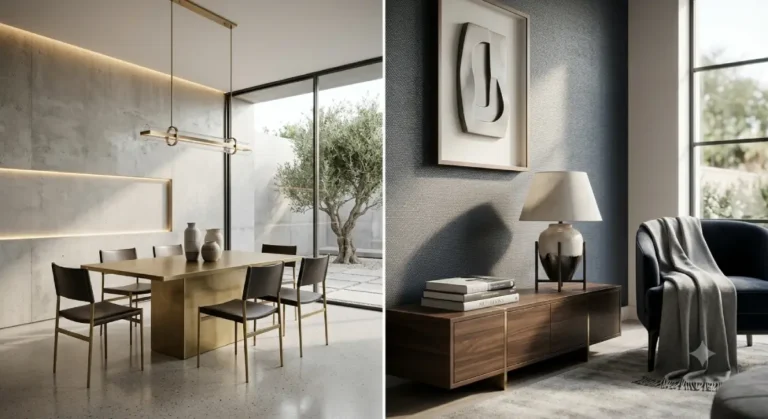
Modern interior design emphasizes functionality and minimalism. Furniture often features sleek lines, neutral colors, and natural materials like wood, metal, and glass. Layouts are designed for open flow and usability, avoiding clutter. Storage solutions are integrated seamlessly to maintain a clean appearance. Art and décor in modern spaces are minimal but impactful think large abstract paintings or sculptural pieces that complement the space rather than dominate it.
Lighting is another differentiator. Classic interiors rely on ornate chandeliers, wall sconces, and table lamps that provide a warm, ambient glow. Modern interiors, in contrast, use recessed lighting, pendant fixtures, and strategically placed floor lamps to enhance the airy and open feel of the space.
Patterns and textures also set these styles apart. Classic interiors feature intricate patterns in wallpapers, rugs, and fabrics, while modern design favors geometric shapes, subtle textures, and monochromatic palettes. Recognizing these key elements allows homeowners and designers to make intentional choices when styling a room according to classic vs modern interior design: what’s the difference.
Color, Materials, and Textures in Classic vs Modern Interior Design: What’s the Difference?
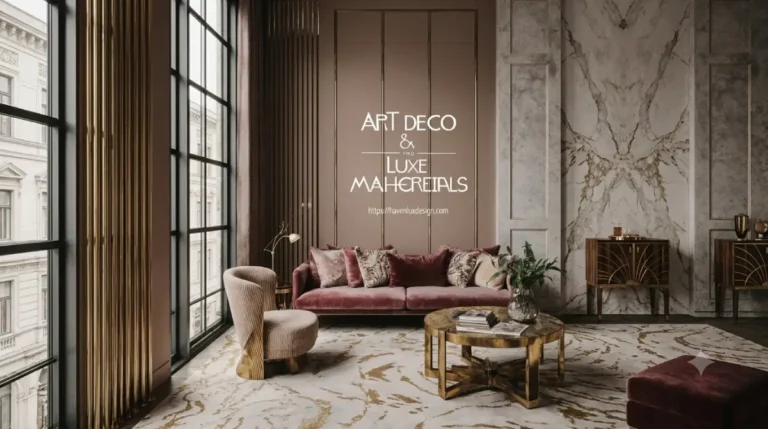
Color selection plays a pivotal role in distinguishing classic vs modern interior design: what’s the difference. Classic interiors often use deep, rich hues such as burgundy, navy, emerald, and gold. These colors create warmth, luxury, and an inviting atmosphere. Accent colors may be incorporated through upholstered furniture, draperies, or decorative accessories. Textures are layered to add dimension, with heavy drapes, patterned rugs, and ornate wallpaper being common choices.
Modern interiors favor lighter, neutral tones such as whites, grays, and muted earth tones, often with occasional bold accents. The goal is to keep spaces feeling open and uncluttered. Texture is present but subtle, such as smooth wood finishes, polished concrete, or linen fabrics. This emphasis on simplicity allows the architectural elements, furniture design, and natural light to stand out, embodying the minimalist ethos of modern design.
Materials further highlight the modern vs classic interior design differences. Classic interiors lean on traditional, luxurious materials: carved wood, marble, velvet, and crystal. Modern interiors prefer industrial and natural materials: steel, glass, concrete, light woods, and leather. Flooring in classic interiors may include rich hardwoods or patterned tiles, while modern spaces often showcase sleek, uniform surfaces like polished concrete or light wood planks.
Accessories and décor items are also informed by material and texture choices. Classic interiors use ornate frames, gilded mirrors, and decorative ceramics, while modern interiors embrace minimalism—think streamlined vases, abstract sculptures, and large-format artwork. Color, materials, and textures collectively define the style and mood of a space, making them essential when considering classic vs modern interior design: what’s the difference.
Furniture, Layout, and Decor Tips to Master Modern vs Classic Interior Design Differences
Mastering modern vs classic interior design differences involves more than recognizing features—it requires thoughtful implementation. For furniture, classic design favors matching sets, curved lines, and formal pieces like tufted sofas, wingback chairs, and intricately carved tables. Modern design prioritizes functional pieces with sleek profiles, modular seating, and minimalist storage solutions. When arranging furniture, classic interiors often use symmetrical layouts centered around focal points, while modern interiors embrace open, flowing arrangements that encourage movement.
Décor tips also reflect the classic vs modern interior design: what’s the difference debate. Classic spaces benefit from layered accessories artwork, ornate mirrors, chandeliers, and decorative rugs that create visual richness. Modern interiors thrive on restraint: a few statement pieces, geometric shapes, and selective use of color or texture create impact without overwhelming the space.
Lighting placement and style are crucial. In classic interiors, chandelier and sconce placement enhances elegance, while in modern interiors, pendant lighting, recessed fixtures, and strategically positioned lamps create a functional and airy environment. Mirrors in classic design are ornate and decorative, whereas in modern design, they are simple, often frameless, serving to reflect light and expand space visually.
Another tip is to blend styles carefully if desired. Transitional spaces combine elements of both classic and modern interiors, balancing warmth and elegance with clean lines and minimalism. Understanding the modern vs classic interior design differences allows for informed decisions, whether fully committing to one style or creating a harmonious mix.
By mastering furniture selection, layout strategies, and décor choices, you can confidently create a space that reflects your personal taste while respecting the principles of each style.
Conclusion
Understanding classic vs modern interior design: what’s the difference empowers homeowners and designers to create spaces that are both functional and visually appealing. Classic interiors offer timeless elegance, rich textures, and formality, while modern interiors provide simplicity, clean lines, and adaptable layouts. Recognizing these distinctions in furniture, color, materials, textures, and décor allows you to craft a home that truly reflects your style and lifestyle.
By exploring the modern vs classic interior design differences, you can make intentional choices, mix styles creatively, and transform your living spaces into environments that are not only beautiful but also practical. Whether you prefer the ornate sophistication of classic design or the sleek minimalism of modern interiors or even a carefully curated combination understanding the differences is the first step toward achieving your dream home.
FAQs about Classic vs Modern Interior Design: Key Differences You Must Know
1. What is the main difference between classic and modern interior design?
Classic interior design emphasizes elegance, ornamentation, and symmetry, while modern design focuses on simplicity, clean lines, and functional minimalism.
2. Can I mix classic and modern interior styles in one space?
Yes! This is called a transitional style. Combining key elements from both designs can create a harmonious and balanced interior.
3. Which style is better for small apartments?
Modern interior design is generally more suitable for small spaces because its minimalist approach maximizes light, flow, and visual openness.
4. What colors are typically used in classic vs modern design?
Classic interiors often use rich, deep colors like navy, burgundy, and gold. Modern interiors favor neutral tones such as white, gray, and muted earth shades with occasional bold accents.
5. How do furniture choices differ between classic and modern designs?
Classic furniture is ornate, often featuring curves and detailed carvings. Modern furniture is streamlined, functional, and minimalistic, emphasizing clean lines and open layouts.