Modern Interior Design Style Explained: Key Elements You’ll Love
Modern interior design has become one of the most loved and enduring design styles and for good reason! Clean lines, intentional spaces, and a perfect balance between beauty and functionality define this look. In this guide, Modern Interior Design Style Explained, we’ll dive deep into what makes this style so timeless, versatile, and exciting for today’s homes.
Unlike overly ornate or trend-driven styles, modern design focuses on clarity, purpose, and elegance. Every piece has meaning. Every space breathes. Whether you’re redesigning an entire home or refreshing one room, understanding modern interior design key elements helps you create a space that feels calm, elevated, and effortlessly stylish.
Let’s explore how modern interior design comes together from layout and materials to furniture, lighting, and décor so you can confidently bring this stunning aesthetic into your own home.
Table of Contents
1- Modern Interior Design Style Explained: Key Elements and Ideas That Define Today’s Homes
At its core, modern interior design is about simplicity with intention. When we talk about Modern Interior Design Style Explained: Key Elements and Ideas, we’re talking about spaces that feel open, uncluttered, and thoughtfully composed. This design philosophy grew from modernist movements that emphasized function over excess, and today it continues to evolve while staying true to those principles.
One defining characteristic of modern design is open space. Modern homes often feature open floor plans that allow rooms to flow naturally into one another. This openness creates visual continuity and makes even smaller homes feel larger and more breathable. Walls are minimized, and when they exist, they serve a clear purpose rather than dividing space unnecessarily.
Another major element is functional design. In modern interiors, every item earns its place. Furniture, décor, and architectural features are selected not only for aesthetics but also for usability. This focus on function ensures that modern spaces feel livable, not just beautiful. Storage is often built-in or hidden to maintain a clean visual appearance.
Modern interior design key elements also include architectural clarity. Clean lines, flat planes, and geometric forms dominate the space. You’ll notice fewer curves and more straight edges, creating a crisp and structured look. Ceilings, windows, and doorways are often emphasized as architectural features rather than hidden.
Natural light plays a huge role in defining today’s modern homes. Large windows, glass doors, and open sightlines allow sunlight to flood the interior. This connection to the outdoors enhances the sense of calm and reinforces modern design’s emphasis on balance and harmony.
Importantly, modern design is not cold or empty. When done right, it feels warm, welcoming, and intentional. The key lies in restraint choosing fewer elements but selecting them carefully. This mindset is what makes modern interior design timeless and endlessly adaptable to different lifestyles.
2- Modern Interior Design Style Explained: Key Elements and Ideas Through Color, Materials, and Texture
Color, materials, and texture are the soul of modern interiors. When exploring Modern Interior Design Style Explained it’s impossible to ignore how thoughtfully chosen finishes transform a space from simple to stunning.
Modern color palettes are typically neutral and calming. Whites, creams, beiges, grays, and soft earth tones dominate modern spaces. These hues create a clean backdrop that allows architectural features and furnishings to shine. Instead of bold patterns or loud colors, modern design favors subtle contrast think white walls paired with black accents or warm wood tones layered against soft gray.
That doesn’t mean color is off-limits. Modern interiors often include controlled pops of color through artwork, accent chairs, or decorative objects. The key is moderation. One or two well-placed color moments feel intentional and sophisticated rather than overwhelming.
Materials are where modern design truly comes alive. Natural and industrial materials are central modern interior design key elements. Wood, stone, concrete, glass, and metal are frequently used to create visual interest without clutter. These materials add depth and authenticity while maintaining a clean aesthetic.
Texture is equally important. Because modern interiors avoid excessive decoration, texture helps prevent spaces from feeling flat. Smooth surfaces like polished stone or lacquered wood are often balanced with tactile elements such as wool rugs, linen upholstery, or matte finishes. This layering of textures adds warmth and dimension while staying true to modern minimalism.
Another defining feature is material honesty. Modern design celebrates materials for what they are rather than disguising them. Concrete looks like concrete. Wood shows its grain. Metal maintains its sleek finish. This authenticity creates a sense of integrity and refinement throughout the home.
By combining a restrained color palette with rich materials and subtle textures, modern interior design achieves a perfect balance between simplicity and sophistication one of the reasons this style continues to feel fresh and desirable.
3- Modern Interior Design Style Explained: Key Elements and Ideas Using Furniture and Clean Lines
Furniture plays a starring role in modern interiors. When discussing Modern Interior Design Style Explained: Key Elements and Ideas, furniture is where function and form come together most clearly.
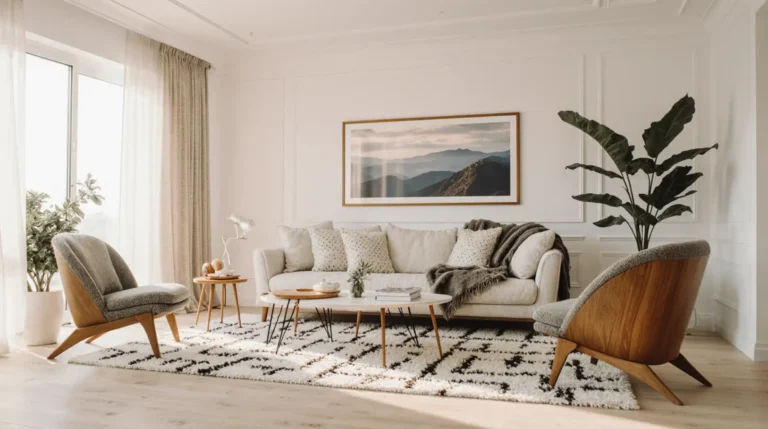
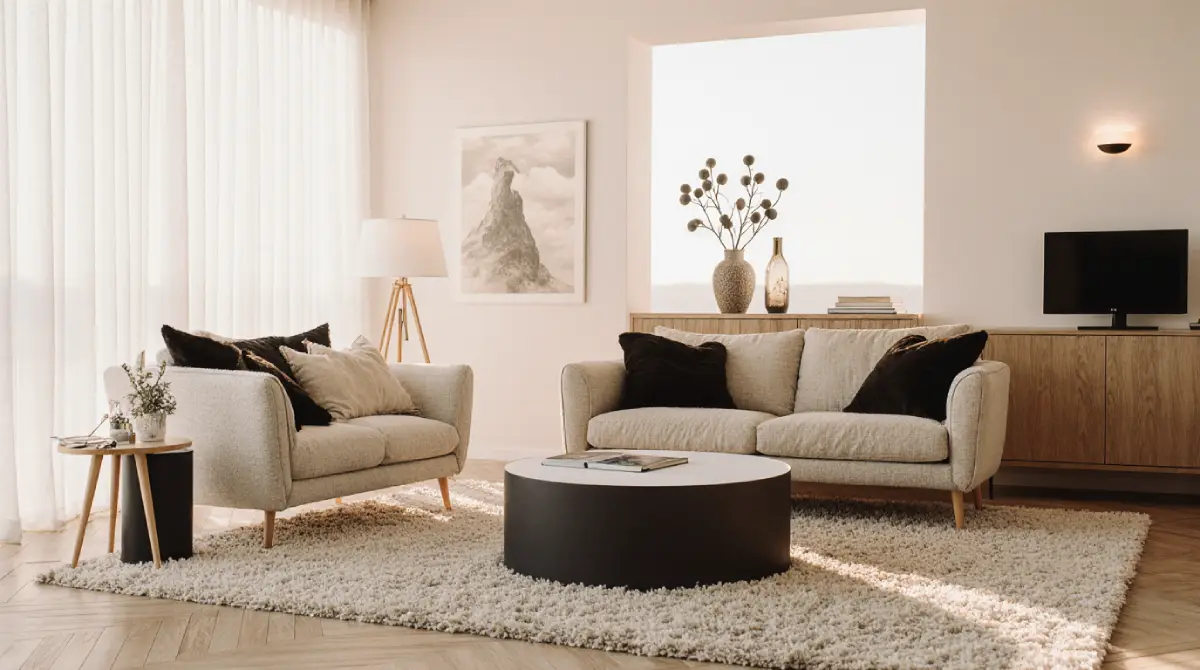
Modern furniture is defined by clean lines and simple silhouettes. Ornate carvings, heavy detailing, and excessive embellishments are replaced with streamlined shapes and smooth surfaces. Sofas, chairs, and tables often feature straight edges or gentle geometric forms that complement the architecture of the space.
Another essential modern interior design key element is low-profile furniture. Lower seating and horizontal lines help rooms feel more open and grounded. This design approach enhances the sense of space and creates a relaxed, contemporary vibe.
Functionality is paramount. Modern furniture is designed to support everyday living while maintaining a refined appearance. Multi-functional pieces, such as storage ottomans or modular sofas, fit seamlessly into modern homes where practicality matters as much as style.
Spacing is just as important as the furniture itself. Modern interiors avoid overcrowding. Each piece is given room to breathe, allowing the eye to move comfortably through the space. This intentional spacing reinforces the calm, uncluttered atmosphere modern design is known for.
Materials and finishes continue the modern story. Furniture often incorporates metal frames, wood accents, leather, or high-quality fabrics in neutral tones. These choices ensure longevity and timeless appeal, preventing the space from feeling trendy or dated.
Ultimately, modern furniture supports the overall philosophy of the style: thoughtful design, purposeful living, and visual harmony. When chosen carefully, modern furniture becomes both a functional asset and a design statement.
4- Modern Interior Design Style Explained: Key Elements and Ideas That Elevate Spaces with Lighting and Decor
Lighting and décor are the final layers that bring modern interiors to life. In Modern Interior Design Style Explained: Key Elements and Ideas, lighting is never an afterthought it’s a design feature in its own right.
Modern lighting emphasizes clean forms and strategic placement. Fixtures often feature geometric shapes, slim profiles, and minimal detailing. Pendant lights, recessed lighting, and sculptural floor lamps are popular choices that add character without visual clutter.
Layered lighting is key. Ambient lighting provides overall illumination, task lighting supports daily activities, and accent lighting highlights architectural features or artwork. This thoughtful approach enhances both functionality and mood.
Natural light remains a cornerstone of modern design. Window treatments are often minimal or omitted altogether to allow sunlight to take center stage. When privacy is needed, sheer or simple blinds maintain the clean aesthetic.
Décor in modern interiors is curated, not crowded. A few impactful pieces such as abstract art, sculptural vases, or statement mirrors replace excessive accessories. Each item contributes to the overall story of the space.
Plants are another powerful element. Greenery adds life, color, and softness to modern interiors, balancing sleek surfaces with organic forms. A single well-placed plant can transform the feel of a room without disrupting its simplicity.
Modern interior design key elements shine brightest when décor is intentional. Instead of filling shelves and walls, modern design invites you to choose fewer pieces that truly resonate. This restraint creates elegance, focus, and a sense of calm throughout the home.
Conclusion: Why Modern Interior Design Style Continues to Inspire
Modern interior design isn’t just a trend it’s a timeless approach to creating beautiful, functional spaces. Through this guide on Modern Interior Design Style Explained: Key Elements and Ideas, we’ve explored how layout, color, materials, furniture, lighting, and décor come together to form a clean, elegant, and livable home.
By embracing modern interior design key elements like simplicity, functionality, and intentional styling, you can create a space that feels both luxurious and welcoming. Whether you’re starting from scratch or refining your current décor, modern design offers endless inspiration for a home that truly supports your lifestyle.
Once you experience the calm, clarity, and beauty of modern interiors, it’s easy to see why this style continues to be one you’ll love for years to come.
FAQs about Modern Interior Design Style Explained: Key Elements You’ll Love
What is modern interior design style?
Modern Interior Design Style Explained refers to a design approach that emphasizes clean lines, functional furniture, open spaces, and neutral color palettes inspired by mid-20th-century architecture.
What are the key characteristics of modern interior design?
Key characteristics include simplicity, uncluttered spaces, natural materials, minimal décor, strong horizontal and vertical lines, and an emphasis on function over ornamentation.
What colors are used in modern interior design?
Modern interior design typically uses neutral colors such as white, gray, beige, and black, often paired with natural wood tones and subtle accent colors.
How is modern interior design different from contemporary design?
Modern interior design follows a specific historical style rooted in modernism, while contemporary design reflects current trends that change over time.
Is modern interior design suitable for small spaces?
Yes, modern interior design works very well in small spaces because its focus on minimalism, light, and functionality helps rooms feel open and spacious.