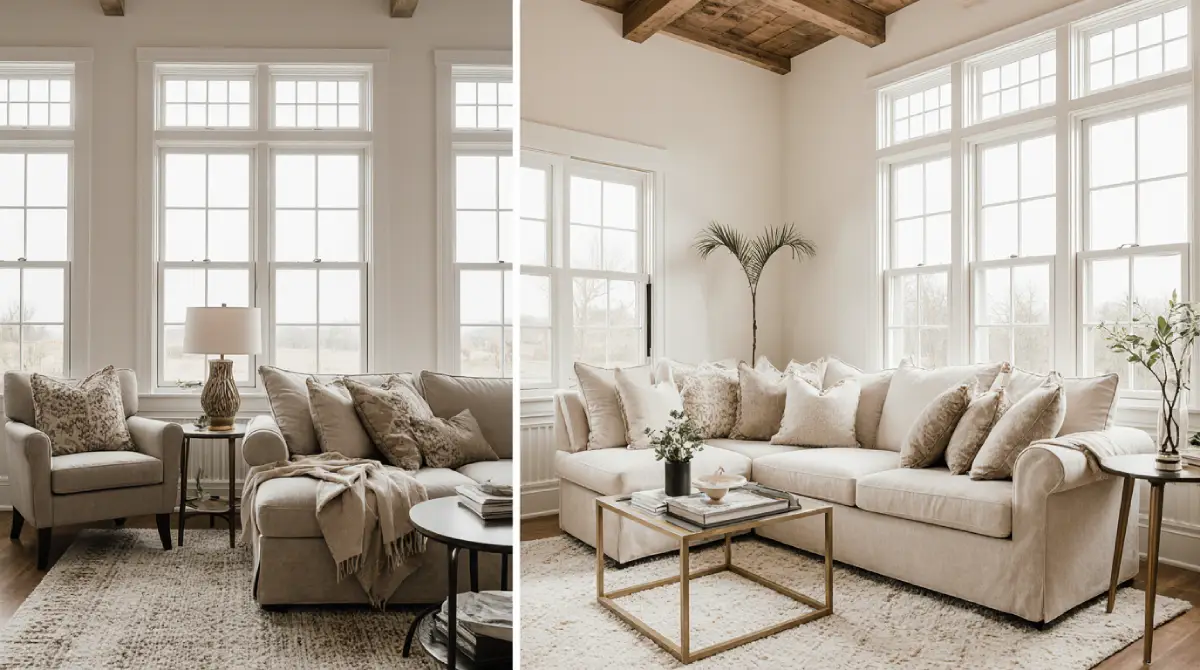
Neutral Farmhouse Colors for Rustic vs Modern Interior Design!
If you’re passionate about interior design and love spaces that feel warm, inviting, and timeless, you’re in the right place! Today, we’re diving into one of the most exciting and visually transformative design conversations: Rustic vs Modern Farmhouse Interior Design and how the neutral farmhouse color scheme plays an absolutely crucial role in making any room sparkle with personality and style.
Whether you’re renovating your entire home, refreshing a single room, or just dreaming up your future décor plans, understanding how to use neutral colors in farmhouse design is a game‑changer. Neutral tones might sound understated, but in the context of farmhouse interiors where texture, materials, and storytelling matter they become powerful tools to define mood, structure, and harmony.
In this article, we’ll explore how a neutral farmhouse color scheme can elevate both rustic and modern farmhouse looks, help you choose the perfect neutrals, show you creative ways to blend styles beautifully, and give you professional tips that ensure your design stands out. Ready to be inspired? Let’s go!
Table of Contents
Transform Your Space: How a Neutral Farmhouse Color Scheme Elevates Rustic vs Modern Farmhouse Interior Design
When it comes to interior aesthetics, few design strategies are as impactful yet subtle as mastering a neutral farmhouse color scheme especially within the dynamic conversation of Rustic vs Modern Farmhouse Interior Design. Neutral palettes are like the backbone of farmhouse decor; they provide a cohesive canvas that lets architectural details, texture, and personal touches shine without overwhelming the senses.
Let’s break down why neutral colors are such a powerhouse when it comes to elevating farmhouse interiors.
Neutral Colors Set the Stage for Harmony
At its heart, a neutral color palette think soft whites, warm beiges, gentle greiges, muted taupes, and earthy creams creates an environment that feels calm and connected. This tonal foundation is essential in both rustic and modern farmhouse spaces because it allows contrasting elements to coexist beautifully.
In a rustic farmhouse interior, deep wood grains, metal accents, and vintage pieces are often focal points. Rich neutrals act like an elegant backdrop, enhancing these rustic features without competing for attention. Conversely, in modern farmhouse interiors, where sleek lines and minimalist tendencies may dominate, a neutral palette enhances simplicity while adding comforting warmth.
Why Neutral Is Perfect for the Rustic vs Modern Blend
The tension between rustic charm and modern sophistication is one of the most compelling aspects of contemporary farmhouse design. A neutral farmhouse color scheme becomes the visual common ground that unifies these seemingly different worlds.
Imagine a living area where reclaimed wood beams meet clean‑lined furniture. Or a kitchen where rough‑hewn textures meet polished accents. Without a thoughtfully curated neutral palette, such a space could feel disjointed. But with soft tones tying everything together? It feels intentional, balanced, and downright gorgeous.
Neutral Colors Maximize Light and Space
Another big win for neutral palettes is their ability to amplify natural light and make spaces feel larger and more open. Light neutrals especially soft whites and warm greiges reflect light beautifully, which not only brightens a room but also enhances the natural character of architectural elements. Whether your home boasts large barn‑style windows or cozy nooks, a neutral farmhouse color scheme ensures every inch feels welcoming and alive.
Neutral as a Launchpad for Personal Style
Finally, neutral colors allow your personal style to take center stage without distraction. Bold patterns, vibrant artwork, heirloom furniture, and signature décor pieces all look more striking against a calm, neutral canvas. This is especially effective in Rustic vs Modern Farmhouse Interior Design, where personal expression and curated details bring depth to every room.
Bottom line? Neutral colors don’t just complement farmhouse styles they amplify personality, warmth, and design cohesion in ways that make every space feel both intentional and comfortable.
Rustic Charm Meets Modern Elegance: Choosing the Perfect Neutral Farmhouse Colors
Selecting the right neutral tones is where the real design magic happens. A neutral farmhouse color scheme isn’t just about choosing “white walls” it’s about curating a layered palette that harmonizes rustic charm with modern elegance, especially in the nuanced world of Rustic vs Modern Farmhouse Interior Design. Let’s unpack how to choose the perfect neutrals that honor both tradition and contemporary flair.
Understand the Basics: Warm vs Cool Neutrals
Not all neutrals are created equal and choosing between warm and cool tones can completely alter the mood of a space.
Warm neutrals like creamy beiges, subtle taupes, and buttery whites lend a cozy, inviting feel that’s ideal for spaces with rustic elements such as exposed wood and vintage furnishings.
Cool neutrals like soft greys, muted stone hues, and crisp off‑whites lean toward a more modern vibe, perfectly suited to spaces with sleek lines, minimalist décor, and industrial accents.
The trick is to balance these neutrals so they complement rather than compete, depending on the look you’re aiming for in your Rustic vs Modern Farmhouse Interior Design project.
Start With a Hero Neutral
Begin with one dominant neutral color your “hero” tone that will serve as the basis for the rest of the color scheme. This should be a shade you absolutely love and can see anchoring the room’s personality.
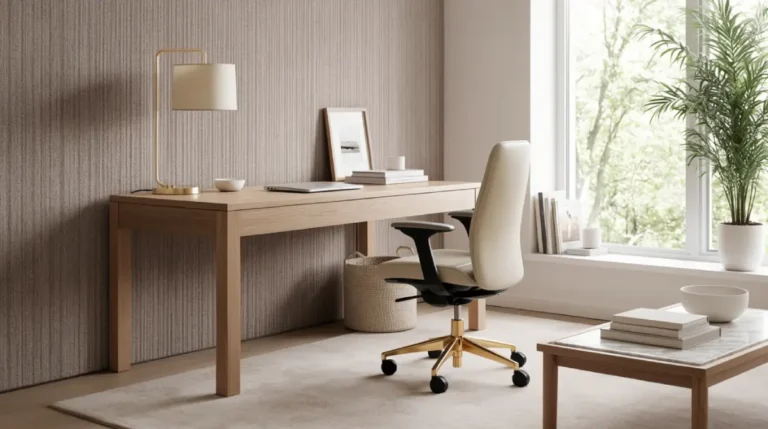
For truly seamless design, choose a neutral that works well with both rustic textures (like natural wood, stone, or distressed finishes) and modern elements (like matte metals, glass, and minimalist lines).
Layer With Complementary Neutrals
Once your hero neutral is established, introduce complementary shades to create depth and dimension. For example, pair a warm beige with a slightly lighter cream on the ceiling and a deeper taupe on accent walls or architectural features. These subtle shifts in tone create visual interest without breaking the serenity of your neutral farmhouse color scheme.
Accentuate With Texture, Not Just Paint
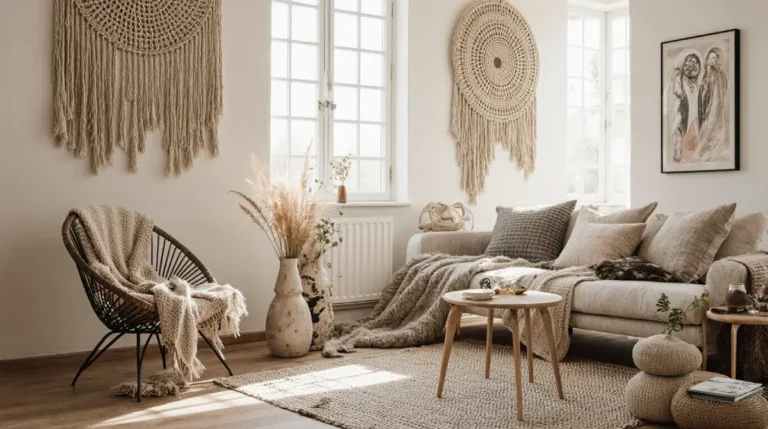
In farmhouse interiors, texture often plays the role of “color” creating contrast and personality where bold hues might otherwise be used. Woven fabrics, reclaimed woods, linen, and natural stone all contribute to a rich, layered look even within a neutral palette.
For a rustic vibe, bring in burlap‑like textures, rugged wood grains, and distressed metals. For a modern touch, incorporate smooth ceramics, polished concrete, and sleek textiles. This textural interplay adds sophistication to your neutral scheme in ways that flat color alone cannot achieve.
Test Samples in Real Lighting
Paint swatches look different under varied lighting conditions and in farmhouse spaces with lots of natural light (or candlelight!), these shifts are even more pronounced. Always test neutrals at different times of day to ensure they maintain the feel you want in your Rustic vs Modern Farmhouse Interior Design.
By paying attention to undertones, texture, lighting, and contrast, you’ll find a neutral palette that feels both curated and effortless the hallmark of stunning farmhouse interiors.
Creative Ideas to Blend Rustic vs Modern Farmhouse Interior Design with a Neutral Palette
Once your neutral farmhouse color scheme is defined, the real fun begins: blending rustic charm with modern sleekness in ways that feel cohesive, exciting, and utterly unique. This is where Rustic vs Modern Farmhouse Interior Design becomes a playground for creativity, allowing you to mix eras, materials, and aesthetics without ever feeling chaotic. Below are creative styling ideas to bring that vision to life!
1. Anchor With Rustic Bones, Then Modernize With Furniture
Start with architectural or built‑in features that shout farmhouse think exposed wood beams, brick or stone fireplaces, and wide plank flooring. These anchor the space in rustic character. Then bring in modern furniture with clean silhouettes and minimal ornamentation in your neutral palette.
For instance, pair a reclaimed wood coffee table with a low‑profile linen sofa in warm beige. The rustic element grounds the space while the modern piece keeps it fresh and airy.
2. Balance Statement Elements With Subtle Neutrals
Let standout features like barn doors, vintage signage, or distressed cabinetry be focal points, and use subtle neutral tones on walls, ceilings, and larger finishes to prevent visual overwhelm.
A neutral backdrop allows these pieces to shine while maintaining a serene environment that feels intentional and well‑edited.
3. Mix Textures to Create Depth
Texture is your secret weapon when blending rustic and modern farmhouse styles. In a neutral farmhouse color scheme, texture adds warmth, contrast, and dimension without relying on bold colors. Think woven jute rugs paired with sleek metal lighting fixtures. Combine smooth leather chairs with soft, chunky knit throws. These contrasts create interest while staying beautifully harmonious.
4. Use Neutral Accent Patterns
Patterns can enhance a neutral palette without breaking its tranquility. Stripes, geometric motifs, or subtle plaids in muted hues work wonderfully for throw pillows, area rugs, or upholstery.
Choose patterns that tie back to your primary neutral tones to ensure everything feels cohesive, whether your space leans more rustic, more modern, or perfectly balanced in between.
5. Bring the Outdoors In
Nature is inherently neutral think stone, greenery, and natural fibers. Integrating plants, floral arrangements, and organic materials like rattan or seagrass baskets adds life and texture while staying within the calming bounds of a neutral palette.
This approach not only reinforces the farmhouse ethos but also enhances the timeless beauty of your Rustic vs Modern Farmhouse Interior Design.
6. Let Lighting Complete the Look
Lighting is another creative tool that elevates design. Warm metal finishes like bronze or brushed brass introduce subtle luxury, while black matte fixtures lean more contemporary.
Layer multiple light sources from floor lamps to wall sconces in neutral shades to ensure your space feels warm and inviting from every angle.
Blending rustic warmth with modern finesse using a neutral farmhouse color scheme doesn’t have to be intimidating. With these creative design ideas, you can curate spaces that feel both deeply personal and effortlessly stylish.
Expert Tips for Making Your Neutral Farmhouse Color Scheme Pop in Any Rustic vs Modern Interior
You’ve chosen your neutral farmhouse color scheme, and you’ve begun blending rustic and modern elements now it’s time to make it pop! Great design isn’t just about selecting calming tones; it’s about using them in ways that feel intentional, dramatic, and completely unforgettable. Here are expert‑level design techniques to elevate your Rustic vs Modern Farmhouse Interior Design like a pro.
Embrace Contrast Wisely
Contrasts give your neutral palette life! Don’t be afraid to juxtapose light neutrals with darker accents in natural materials like charcoal wood, blackened metal, or deep stone. These contrasts create visual interest and make the soft neutrals stand out more boldly.
Contrast doesn’t have to be loud it can be subtle but powerful, especially when textures and finishes play together.
Use Accent Walls for Architectural Interest
Accent walls don’t need to be bold colors they can be tonal. For instance, a shiplap wall painted in a slightly deeper shade of neutral behind a bed or sofa creates depth and adds architectural energy without disrupting the overall color harmony.
This approach is especially effective in Rustic vs Modern Farmhouse Interior Design, where texture often plays the role of color.
Play With Reflective Surfaces
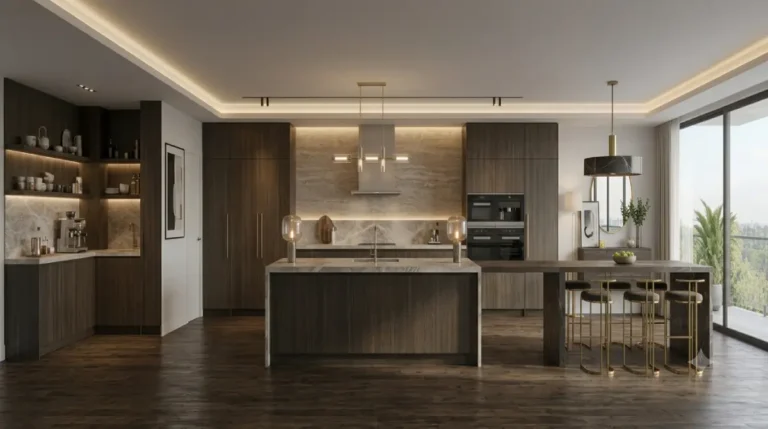
Glass, mirrored finishes, and metallic accents reflect light beautifully and add sparkle to neutral spaces. Use these elements strategically think pendant lights over a kitchen island, polished hardware, or a sleek glass coffee table to elevate your neutral palette and make it feel dynamic and layered.
Don’t Forget Window Treatments
Neutral doesn’t mean plain your window treatments can add softness, volume, and warmth. Choose natural linen or woven shades that complement your wall tones, and layer with sheer curtains for a light, airy feel. These textural layers tie into both rustic comfort and modern elegance.
Reinforce With Art and Decorative Accents
Artwork and décor pieces in soft, earthy tones or muted watercolor palettes enhance your neutrals without overwhelming them. Choose pieces that resonate emotionally nostalgic landscapes, abstract neutral art, or black‑and‑white photography all work beautifully.
These elements tie your design together and make your neutral farmhouse color scheme feel curated and complete.
Refresh Seasonally
One of the joys of a neutral palette is how versatile it is. Switch out small accents throw blankets, pillows, ceramics with the seasons. Soft ivory and taupe for winter, airy creams and linen tones for spring, and warm sandy neutrals for summer keep your space feeling fresh and intentional year‑round.
Trust Your Eye
Design isn’t science it’s an art form. Use these expert tips as guiding principles, but always trust your instinct. Step back frequently, view your space in different lights, and ask yourself whether the room feels warm, balanced, and joyful.
When your neutral farmhouse color scheme resonates with how you want to feel in your home, that’s when design magic truly happens.
Conclusion
A beautifully designed home feels like a story rich with texture, personality, and intentional choices that reflect who you are. In the ongoing design journey of Rustic vs Modern Farmhouse Interior Design, a neutral farmhouse color scheme isn’t just a trend; it’s a foundation that allows every style element to shine.
From setting the tone with the right neutrals to blending rustic charm and modern elegance, and from creative décor strategies to expert design tips that make your room pop this approach embraces the best of both worlds. Neutral colors anchor spaces, enhance materials, and create environments that feel warm, expansive, and endlessly inviting.
So go ahead experiment with texture, play with contrast, layer tones thoughtfully, and above all, design with joy. With the right neutral farmhouse color scheme, your home will be a testament to timeless beauty, cozy comfort, and sophisticated farmhouse style!
FAQs: Neutral Farmhouse Colors for Rustic vs Modern Interior Design
What are neutral farmhouse colors?
Neutral farmhouse colors are soft, natural tones like beige, cream, greige, warm white, and light gray that create a calm and timeless interior foundation.
How do neutral farmhouse colors differ in rustic vs modern design?
In rustic farmhouse interiors, neutral colors feel warmer and are paired with natural wood and textured fabrics. In modern farmhouse design, neutral tones appear cleaner and are combined with sleek lines and black metal accents.
What is the best neutral color for a modern farmhouse?
Greige (a mix of gray and beige) is one of the most popular modern farmhouse neutral colors because it adds warmth while maintaining a contemporary look.
Are neutral farmhouse colors good for small spaces?
Yes. Neutral farmhouse colors help small rooms feel larger, brighter, and more open, especially when paired with natural light and minimal decor.
Can you mix rustic and modern farmhouse styles using neutral colors?
Absolutely. Neutral farmhouse colors create a cohesive base, allowing you to mix rustic wood elements with modern furniture for a balanced and stylish interior.
One Comment