Neutral Interior Design Trends in the US
In the fast-evolving world of interior design, one style has quietly but confidently claimed the spotlight: neutral interior design. With its timeless elegance, versatility, and ability to create serene, inviting spaces, neutral interiors have become a top choice for homeowners and designers alike. Across the US, these trends are shaping modern homes, proving that understated tones and natural textures can be as striking and impactful as bold, vibrant palettes.
Neutral interior design emphasizes balance, harmony, and simplicity while still allowing for personal expression and warmth. From muted beiges to soft greys, earthy browns, and creamy whites, the colors act as a calming backdrop that allows furniture, textures, and décor to shine. These trends aren’t about making spaces boring they’re about creating environments that feel effortlessly chic, sophisticated, and livable.
In this article, we’ll explore Neutral Interior Design Styles Trending in the US, uncover the warm neutral interior design trends that are reshaping contemporary spaces, and share practical strategies for incorporating them throughout your home. Whether you’re redesigning a single room or refreshing an entire home, this guide will provide inspiration and actionable ideas to elevate your interiors.
Table of Contents
1- Why Neutral Interior Design Styles Trending in the US Are Dominating Modern Homes
The popularity of neutral interior design styles trending in the US isn’t just a passing fad it’s a reflection of a broader cultural and lifestyle shift. Homeowners are increasingly seeking spaces that feel calm, timeless, and adaptable, making neutral interiors a perfect choice. Unlike bold color schemes that can feel dated quickly, neutral palettes have a remarkable longevity, allowing rooms to evolve with trends, seasons, and personal tastes.
One of the primary reasons neutral interiors are dominating modern homes is their versatility. Neutral tones can seamlessly blend with a variety of styles, from minimalist and Scandinavian to organic modern and transitional designs. This adaptability makes it easier for homeowners to refresh their spaces without committing to a single aesthetic or investing in costly renovations every few years. Neutral walls and furnishings also provide a blank canvas, allowing homeowners to experiment with textures, materials, and accent colors that bring personality and uniqueness to their space.
The psychological appeal of neutral interiors is another driving factor. Studies have shown that neutral colors, particularly soft shades like taupe, beige, and muted grey, can promote relaxation and reduce stress. In a busy world filled with digital distractions, a neutral home offers a sanctuary a place where residents can unwind, recharge, and reconnect with themselves. This calming effect has made neutral design particularly attractive in bedrooms, living rooms, and other spaces where comfort and tranquility are priorities.
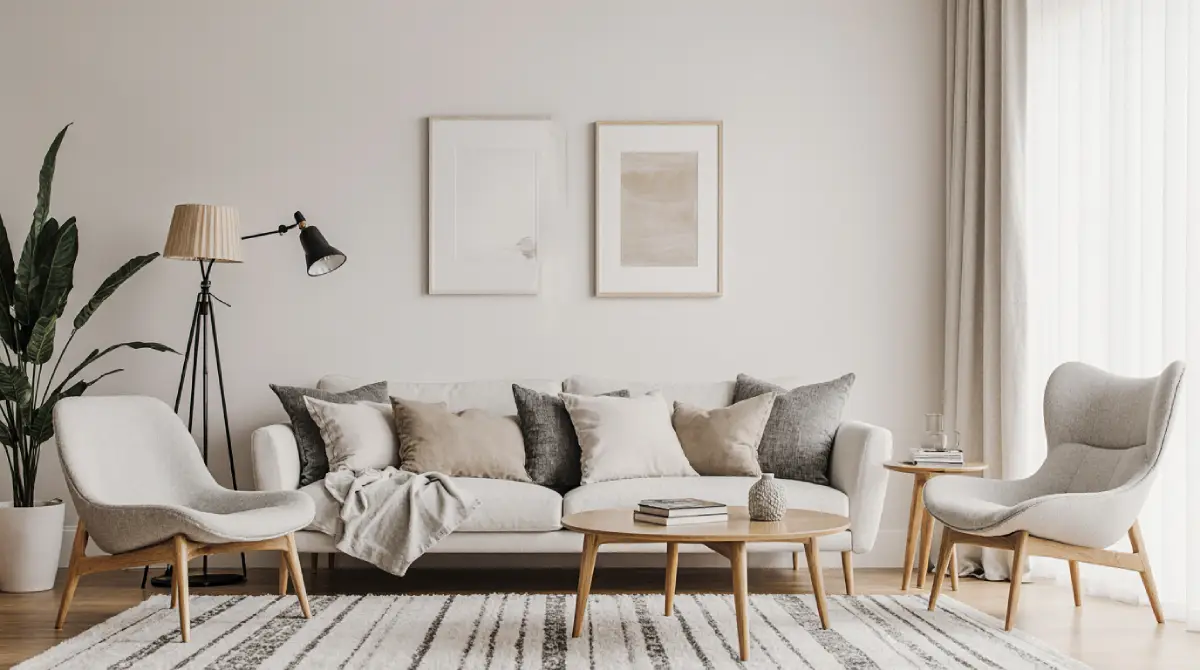
Neutral interior design also encourages layering and texture, which is crucial to creating visually interesting spaces without relying on bold hues. By combining natural wood, soft textiles, stone, and metal accents, homeowners can achieve depth and richness in their interiors. For example, a beige sofa paired with a chunky knit throw, a wooden coffee table, and a stone accent wall can feel warm, luxurious, and inviting all while maintaining a neutral color scheme.
Another reason these trends are so popular is their appeal to homebuyers and real estate markets. Neutral interiors are often seen as universally appealing, which can increase the resale value of a home. By designing with neutral tones, homeowners not only create a stylish living space for themselves but also ensure that their property attracts a wide range of potential buyers should they decide to sell.
In summary, neutral interior design styles trending in the US dominate modern homes because they are versatile, timeless, psychologically calming, and highly functional. They allow for creativity in textures, materials, and accent pieces, creating spaces that are sophisticated, comfortable, and always in style.
2- Top Warm Neutral Interior Design Trends to Instantly Elevate Your Space
The concept of warm neutral interior design trends has emerged as one of the most exciting developments in contemporary home décor. While traditional neutral palettes often relied heavily on cool greys and stark whites, modern trends emphasize warmth, richness, and natural depth. Warm neutrals think soft taupe, creamy beige, caramel browns, and muted clay tones instantly make a space feel inviting and luxurious.
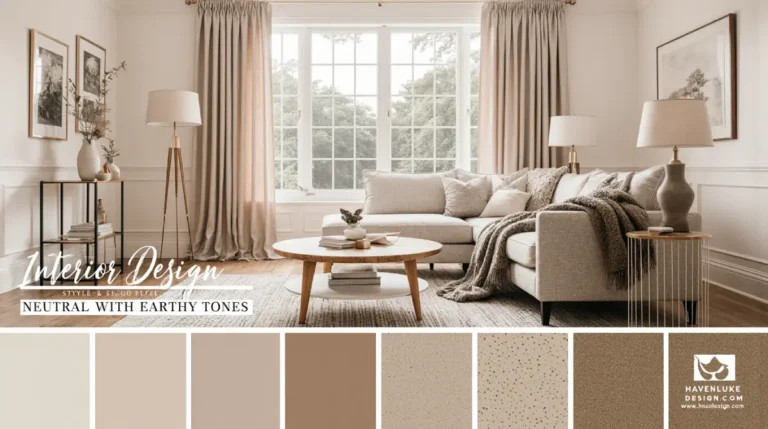
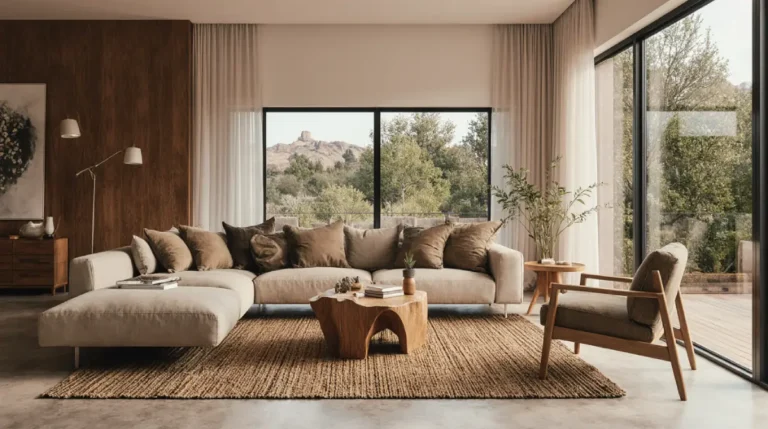
One top trend is the layered neutral palette. Rather than using a single shade of beige or grey, designers are layering multiple warm neutrals to add dimension and interest. For example, a living room might feature a sandy-toned sofa, light mocha walls, a caramel-hued rug, and soft taupe accent pillows. The result is a cohesive, visually engaging environment that feels warm without overwhelming the senses.
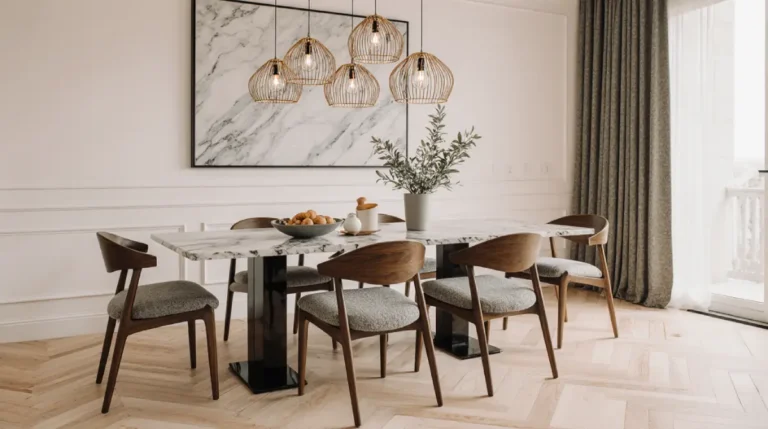
Natural materials and textures are also a key feature of warm neutral interiors. Think reclaimed wood, rattan, stone, and clay. These elements not only reinforce the organic feel of the space but also add subtle tactile contrasts that keep the room from feeling flat. For instance, a smooth marble countertop paired with a woven jute rug and a wooden dining table creates a rich interplay of textures that is visually and physically appealing.
Another notable trend is the integration of biophilic elements. Indoor plants, living walls, and natural fiber accessories complement warm neutral palettes by adding life and energy to the space. The green of a fiddle-leaf fig or a snake plant pops beautifully against beige and taupe backgrounds, creating a serene yet vibrant atmosphere.
Lighting is another essential component of these trends. Soft, warm lighting enhances the inviting nature of neutral interiors. Designers are using warm LED bulbs, layered lighting with floor and table lamps, and statement pendant lights made from natural materials to amplify the cozy, welcoming vibe.
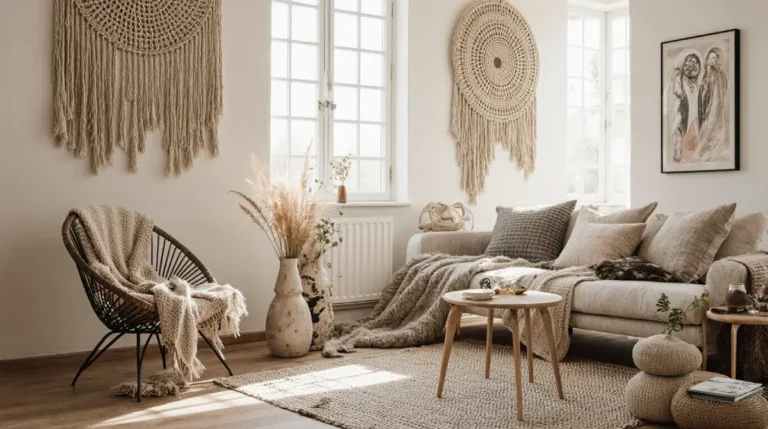
Warm neutral interiors also embrace minimalism with personality. Clean lines and uncluttered spaces remain foundational, but homeowners are encouraged to add carefully curated décor that reflects their style. A handcrafted ceramic vase, a woven wall hanging, or a textured throw can elevate a neutral space, turning simplicity into sophistication.
In essence, warm neutral interior design trends are all about creating spaces that feel alive yet calm, luxurious yet approachable. By layering neutrals, incorporating textures, and adding natural elements, homeowners can instantly elevate the mood, aesthetic, and comfort of any room.
3- How Neutral Interior Design Styles Trending in the US Create Calm and Cozy Interiors
One of the reasons neutral interior design styles trending in the US have gained such popularity is their unique ability to create calm and cozy environments. Neutral tones act as a visual reset, allowing homeowners to escape the chaos of daily life and experience a sense of serenity within their own homes.
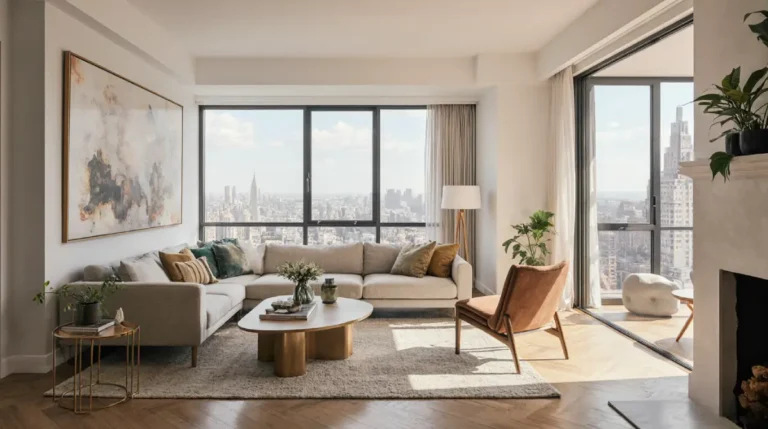
In living spaces, a neutral backdrop encourages relaxation. Sofas in shades of beige, cream, or soft grey paired with plush throws and cushions instantly signal comfort. Layered rugs, natural wood accents, and strategically placed lighting create a sense of warmth and intimacy, making the room ideal for both unwinding alone and entertaining guests.
Bedrooms in neutral interiors are particularly impactful. By using muted, warm colors on walls, bedding, and furniture, homeowners create a tranquil atmosphere conducive to rest. Adding textures such as linen sheets, wool blankets, and wooden bedside tables ensures the space is cozy without feeling heavy or cluttered. Neutral tones also allow for personalized accents artwork, cushions, or lighting without disrupting the calm aesthetic.
Neutral interiors also encourage mindful organization and decluttering, which is key to creating cozy spaces. With fewer visual distractions, the focus shifts to comfort and functionality. Open shelves, concealed storage, and minimalist furniture designs help maintain an uncluttered environment that promotes relaxation and mental clarity.
Another element that contributes to cozy neutral interiors is natural light. Neutral walls and furniture reflect light beautifully, enhancing the airy, open feeling of a space. Large windows, sheer curtains, and light-filtering shades maximize sunlight while maintaining privacy, helping rooms feel bright, inviting, and naturally calming.
Finally, incorporating warm textures and accents reinforces coziness. Woven baskets, natural fiber rugs, and handcrafted décor introduce subtle tactile interest. Even small additions, such as a warm-toned throw or a set of ceramic vases, can enhance the homely and inviting atmosphere of a neutral interior.
In conclusion, neutral interior design styles trending in the US create calm, cozy, and functional spaces by combining warm tones, natural materials, thoughtful lighting, and minimal clutter. This thoughtful approach ensures homes feel both stylish and comfortable, supporting modern lifestyles that value serenity and sophistication.
4- Expert Tips for Incorporating Warm Neutral Interior Design Trends Into Every Room
Bringing warm neutral interior design trends into your home requires strategy, balance, and creativity. Here are expert tips to ensure your spaces are stylish, cohesive, and inviting.
First, layer your neutrals. Avoid using a single tone throughout a room; instead, combine complementary shades of beige, taupe, and brown. Layering creates depth and prevents the space from feeling flat. For example, a beige sofa with a taupe rug, caramel cushions, and a light cream throw can create a visually dynamic yet cohesive look.
Second, focus on texture. Warm neutrals are enhanced when paired with a variety of textures. Smooth leather, soft wool, woven rattan, natural wood, and ceramic finishes add tactile richness and make spaces feel luxurious yet comfortable. Texture also helps differentiate objects and surfaces without relying on bold colors.
Third, incorporate natural elements. Indoor plants, wooden furniture, stone countertops, and woven accessories reinforce the organic feel of warm neutrals. Biophilic design not only elevates aesthetic appeal but also improves air quality and contributes to mental well-being.
Fourth, use lighting strategically. Layered lighting with warm-toned bulbs enhances the cozy ambiance of neutral spaces. Combine ceiling lights with floor and table lamps to highlight textures, create depth, and draw attention to focal points. Dimmer switches can also allow for flexible lighting moods.
Fifth, select intentional décor. In warm neutral interiors, every piece matters. Curate décor that complements the palette and adds personality handcrafted pottery, woven baskets, minimalist artwork, or textured textiles can enhance the aesthetic without creating visual clutter.
Finally, maintain consistency across rooms. Neutral interiors feel most polished when there’s cohesion from one space to another. Repeat key colors, materials, and textures throughout your home to create a flowing, harmonious environment.
By following these expert tips, you can successfully integrate warm neutral interior design trends into every room, creating spaces that are serene, elegant, and effortlessly modern.
Conclusion
Neutral interior design styles trending in the US are more than just a fad they represent a thoughtful approach to modern living that combines style, comfort, and timeless elegance. Through warm neutral interior design trends, homeowners can create spaces that feel inviting, calm, and visually captivating.
By layering tones, incorporating textures, maximizing natural light, and using intentional décor, neutral interiors can transform any home into a sanctuary of sophistication. Whether in living rooms, bedrooms, kitchens, or entryways, these trends offer practical, adaptable, and aesthetically pleasing solutions for contemporary interiors.
Embracing neutral interior design is about achieving balance a space that looks polished, feels cozy, and stands the test of time. With the insights and ideas shared in this guide, you can confidently bring these trends into your home and create a space that embodies.
FAQs about Neutral Interior Design Trends in the US
Q1: What is neutral interior design?
A1: Neutral interior design focuses on soft, muted colors like beige, gray, white, and taupe, creating calm, timeless, and versatile spaces. It emphasizes simplicity, balance, and texture to make interiors feel inviting and sophisticated.
Q2: What are the benefits of using neutral interior design in my home?
A2: Neutral interiors promote relaxation, enhance natural light, provide a versatile backdrop for décor, and create timeless spaces that won’t feel dated. They’re also ideal for blending with any style, from minimalist to modern rustic.
Q3: How can I add personality to a neutral interior design?
A3: You can introduce personality through textures, layered rugs, natural materials, statement art, indoor plants, and accent pieces in complementary tones. This keeps the space cozy and visually interesting while maintaining a neutral palette.
Q4: What are the latest neutral interior design trends?
A4: Warm neutral tones like taupe, soft brown, and muted clay, layered textures, biophilic elements, and minimalist furniture with natural finishes are trending. These trends emphasize comfort, elegance, and a connection to nature.
Q5: Can neutral interior design work in small spaces?
A5: Absolutely! Neutral tones reflect light and create a sense of openness, making small rooms appear larger and airy. Using multifunctional furniture and clever storage enhances both functionality and aesthetics.