Minimalist Interior Design Style: 7 Tips to Create a Clean, Elegant Home
Creating a home that feels open, serene, and effortlessly stylish doesn’t require filling every corner with expensive furniture or chasing the latest trends. The secret lies in Minimalist Interior Design Style a design philosophy that emphasizes simplicity, functionality, and timeless elegance. With thoughtful choices, even modest spaces can feel luxurious, calm, and highly curated.
In this guide, we’ll explore 7 practical tips that help you master minimalist design while keeping your home warm, inviting, and highly functional. From furniture selection to color schemes, layouts, and subtle accents, these ideas ensure every element works harmoniously to create a clean, elegant home you’ll love.
Table of Contents
1. Minimalist Interior Design Style: How to Create a Clean, Elegant Home with Smart Furniture Choices
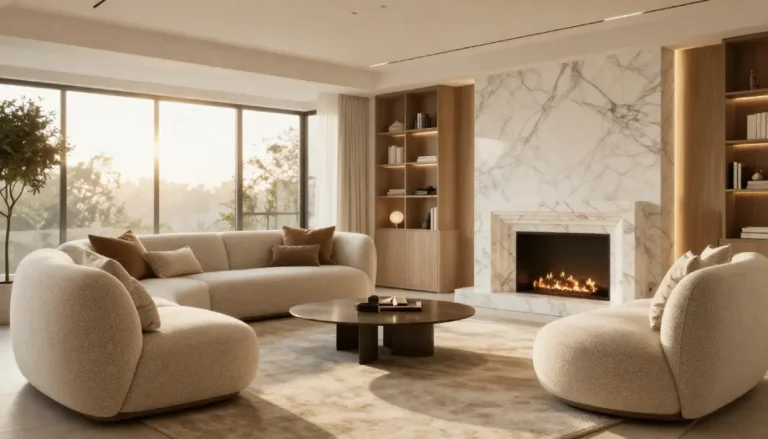
One of the most fundamental aspects of the Minimalist Interior Design Style is furniture selection. The right pieces of minimalist furniture design can make a small space feel open and airy, while poor choices can clutter even a large room. Minimalism is not about emptiness or lack of comfort; instead, it focuses on functional interior design that supports your lifestyle. By choosing furniture with clean lines, simple forms, and intentional use, you create minimalist living spaces that feel elegant, balanced, and visually calm.
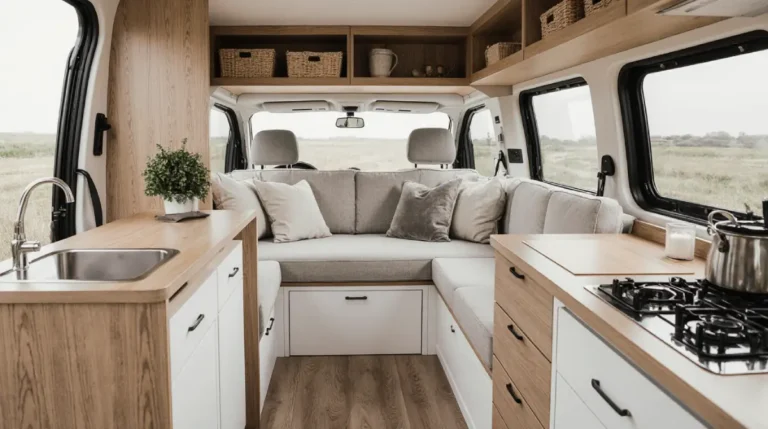
Start with functional, multi-purpose furniture. Floating vanities, fold-out tables, or storage ottomans combine utility with streamlined design, helping you maintain clean surfaces while maximizing space. Modular sofas and stackable chairs are excellent choices for living areas, allowing flexibility without overwhelming the room.
Prioritize clean lines and neutral forms. Sleek shapes with minimal ornamentation create a sense of order and calm. Avoid overly decorative legs, intricate carvings, or bulky silhouettes that dominate the room. Instead, select furniture with understated elegance that harmonizes with other design elements.
Material selection also plays a key role. Natural woods, matte metals, and glass surfaces introduce texture without clutter. For instance, a walnut coffee table paired with a glass side table balances warmth with openness, supporting the minimalist aesthetic. Fabric choices matter too; stick with neutral-toned upholstery in high-quality materials like linen or cotton to maintain a cohesive, clean look.
In small spaces, scale is everything. Oversized furniture can visually shrink a room, while tiny pieces may feel disjointed. Aim for a balanced proportion sofas that align with wall space, chairs that don’t crowd pathways, and tables that allow for comfortable movement.
Finally, think about visual breathing room. Leave intentional gaps between furniture pieces to highlight each item and prevent cluttered visuals. With these smart furniture choices, your home will naturally feel open, airy, and elegant hallmarks of minimalist interior design.
2. Minimalist Interior Design Style: How to Create a Clean, Elegant Home Using Calming Colors and Textures
Color and texture are powerful tools in Minimalist Interior Design Style: How to Create a Clean, Elegant Home. While minimalism is often associated with stark whites, it’s the nuanced use of calming tones and tactile surfaces that makes a space feel inviting, sophisticated, and layered.
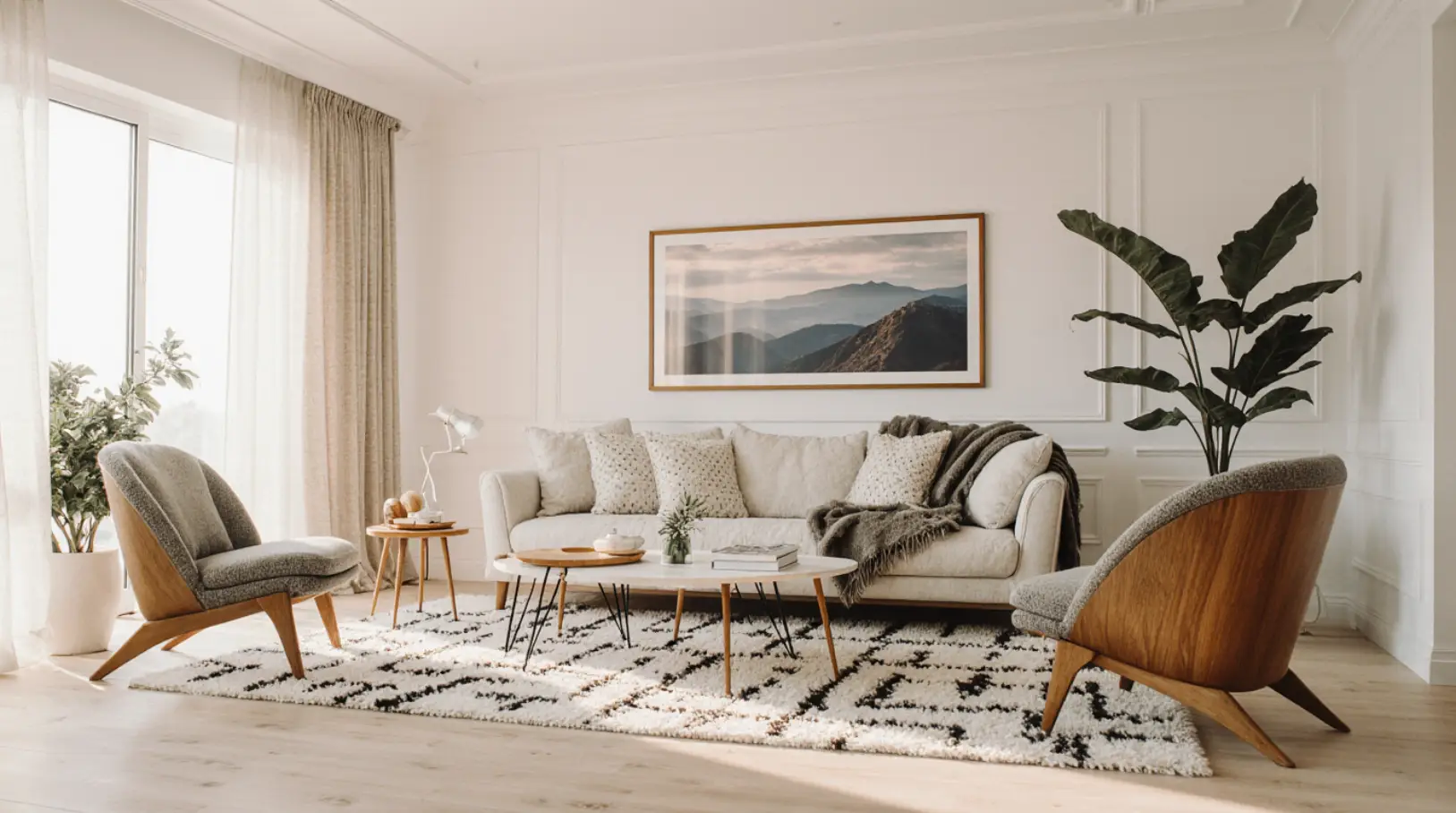
Start with neutral color palettes. Soft whites, warm greys, beige, and muted stone tones create a clean backdrop that enhances natural light and makes rooms feel spacious. Adding subtle earth tones like sandy taupes or pale greens can introduce warmth without disrupting the minimalist aesthetic.
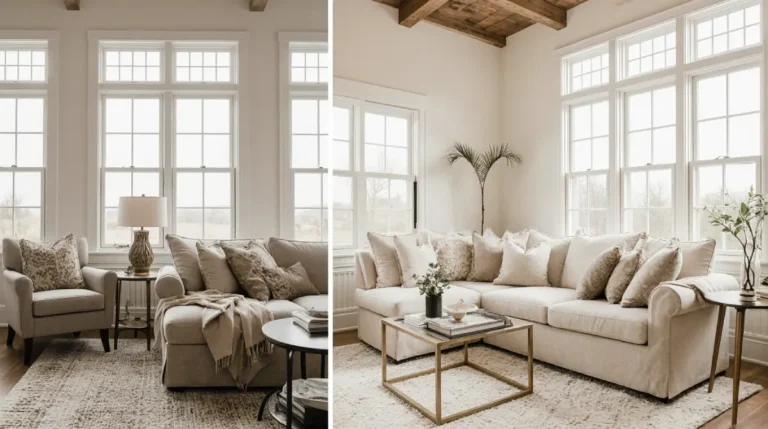
Texture is where minimalism comes to life. Smooth walls, matte tiles, soft linens, woven rugs, and wood surfaces add depth and interest without relying on excessive decor. For example, a linen sofa paired with a jute rug introduces tactile contrast that engages the senses while keeping the space uncluttered.
Consider accent textures strategically. Concrete countertops, brushed metals, or leather seating can serve as focal points without overwhelming the design. The key is to combine textures thoughtfully, layering them in a way that feels intentional, balanced, and calming.
Lighting interacts with color and texture to further reinforce minimalism. Soft, diffused lighting highlights the natural qualities of materials and prevents harsh shadows that make spaces feel busy. Incorporate floor lamps, pendant lights, or wall sconces in simple forms and muted finishes to complement your color and texture choices.
Finally, limit contrasting colors. Minimalist interiors thrive on harmony. Stick to 2-3 complementary shades per room to maintain cohesion. Even subtle variations in tone like pairing warm greys with soft creams can create an elegant, calming effect that enhances the minimalist ethos.
By focusing on soothing colors and layered textures, your home will embody the refined simplicity and clean elegance that defines minimalist interior design.
3. Minimalist Interior Design Style: How to Create a Clean, Elegant Home with Thoughtful Layouts and Open Space
Layout and spatial planning are central to the Minimalist Interior Design Style and play a major role in creating a clean, elegant home. This design philosophy emphasizes openness, balance, and ease of movement, allowing rooms to breathe and every element to stand out with purpose. Through minimalist space planning, thoughtful furniture placement, and intentional use of open areas, clutter is reduced while functionality is enhanced. Even smaller rooms can feel refined and luxurious when designed with minimalist interior layouts that prioritize simplicity and visual harmony.
Begin with furniture arrangement that prioritizes flow. Avoid blocking pathways or crowding corners. Arrange seating to encourage conversation and ensure circulation is unobstructed. In living rooms, floating sofas or chairs away from walls can create a sense of openness and airiness.
Negative space is your ally. Minimalism isn’t about filling every inch; it’s about balance. Empty areas between furniture pieces highlight key elements and prevent visual overload. Think of each empty space as intentional breathing room that elevates the overall design.
Functional zoning helps maximize usability in open floor plans. Define areas for relaxation, work, or dining with subtle cues like rugs, lighting, or low partitions instead of heavy walls. This approach maintains openness while organizing the room efficiently.
Vertical space matters too. High shelves, wall-mounted cabinets, and tall plants draw the eye upward, making ceilings feel taller and rooms more expansive. Avoid cluttering surfaces; use wall-mounted storage to maintain clean horizontal planes.
Lastly, circulation patterns should feel natural. Minimalist interiors thrive when movement is effortless. Ensure that seating, tables, and storage don’t obstruct access to doors or windows, and maintain clear lines of sight throughout the space.
By carefully planning layouts and embracing open space, your minimalist home will feel spacious, serene, and functionally elegant.
4. Minimalist Interior Design Style: How to Create a Clean, Elegant Home Through Accessories and Subtle Details
Accessories and details are the finishing touches that bring Minimalist Interior Design Style: How to Create a Clean, Elegant Home to life. Minimalism is not about stark emptiness it’s about curated simplicity, where each accessory has a purpose and enhances the overall aesthetic.
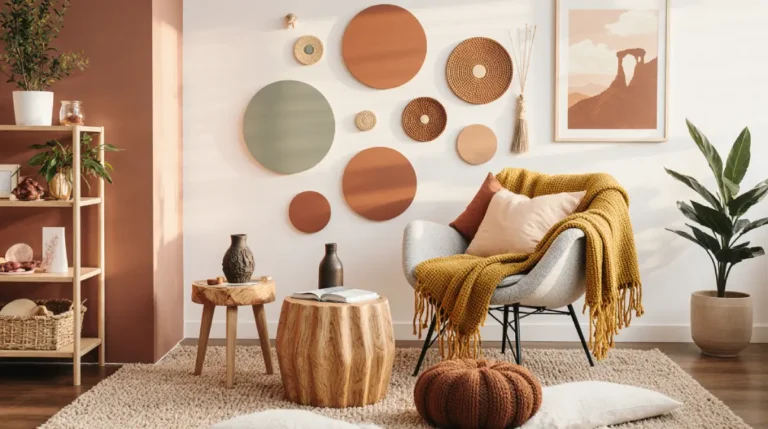
Start with artwork and wall decor. Choose pieces that complement your color palette and feature simple, clean lines. Black-and-white photography, abstract prints, or natural landscapes create focal points without overwhelming the space. Large-scale pieces work particularly well in minimalistic settings, allowing fewer items to have more impact.
Functional accessories double as decor. Think sleek trays, ceramic vases, or elegant storage boxes. These items keep essentials organized while maintaining visual harmony. For example, a minimalist tray on a coffee table can hold books or candles while contributing to the room’s clean, curated look.
Incorporate plants for a touch of life. Low-maintenance greenery like snake plants, fiddle leaf figs, or succulents adds vibrancy without clutter. Simple, monochromatic pots maintain the minimal aesthetic while bringing warmth and freshness.
Textiles and subtle details complete the look. Layered throws, cushions, or rugs in neutral shades introduce softness and comfort. Keep patterns understated and textures consistent to avoid visual chaos. Even small touches like a polished wood bowl or a matte-finish vase can elevate a room when thoughtfully placed.
Finally, practice intentional restraint. Avoid overcrowding surfaces or adding unnecessary decor. Every item should earn its place, contributing to function, beauty, or ambiance. This discipline ensures your home feels calm, elegant, and cohesive a hallmark of minimalist design.
With curated accessories and attention to subtle details, your home will radiate sophisticated simplicity while remaining inviting and functional.
Conclusion
Minimalist Interior Design Style: How to Create a Clean, Elegant Home is about more than empty spaces it’s a mindset that prioritizes purpose, balance, and timeless elegance. By choosing smart furniture, calming colors and textures, thoughtful layouts, and curated accessories, you can transform your home into a serene sanctuary that feels open, organized, and luxurious.
Whether updating a single room or redesigning your entire home, these 7 tips provide a clear roadmap for achieving a clean, elegant, and inviting minimalist interior. Embrace simplicity, highlight quality, and focus on the elements that truly matter your home will not only look stunning but also feel effortless, functional, and deeply personal.
FAQs – Minimalist Interior Design Style: 7 Tips to Create a Clean, Elegant Home
What is minimalist interior design style?
The Minimalist Interior Design Style is a design approach that emphasizes simplicity, clean lines, functional furniture, and clutter-free spaces to create calm and balanced interiors.
What are the main features of minimalist interior design?
Key features include neutral color palettes, open layouts, limited décor, natural materials, and furniture that prioritizes function over ornamentation.
What colors work best in Minimalist Interior Design Style ?
Minimalist interiors typically use whites, beiges, soft grays, and muted earth tones to maintain a clean and cohesive look.
Is minimalist interior design good for small homes?
Yes, minimalist interior design is ideal for small spaces because it maximizes light, reduces clutter, and creates the illusion of more space.
How is Minimalist Interior Design Style different from modern design?
Minimalist design focuses on “less is more,” while modern design allows for more decorative elements and varied materials.