Minimalist vs Maximalist Home Decor Ideas
In the ever-evolving world of interior design, two styles have captured the imagination of homeowners and designers alike: minimalist and maximalist interior design styles. These approaches may seem like polar opposites one favoring simplicity and clean lines, the other embracing boldness and layered aesthetics but both offer incredible opportunities for creating inspiring and livable spaces. Understanding the nuances of these styles and how to incorporate them effectively is key to crafting interiors that feel authentic, stylish, and functional.
Whether you’re drawn to the calm sophistication of minimalist interiors or the vibrant energy of maximalist décor, this guide will explore minimalist vs maximalist home decor ideas in detail. You’ll discover why these styles are captivating homeowners, how they shape mood and functionality, and expert tips for blending the two without overwhelming your space.
Table of Contents
1- Why Minimalist vs Maximalist Interior Design Styles Are Captivating Homeowners Everywhere
The fascination with Minimalist vs Maximalist Home Decor Ideas lies in their ability to express personal taste, lifestyle, and aesthetic preference. Minimalism appeals to those seeking clarity, calm, and a sense of order. It emphasizes clean lines, uncluttered surfaces, and a restrained palette, offering a serene environment where every element serves a purpose. The minimalist philosophy, often summed up as “less is more,” provides a mental and visual respite in today’s fast-paced world, making it highly attractive for modern homeowners.
On the other hand, maximalist interior design embraces the concept of “more is more.” It celebrates bold patterns, layered textures, vibrant colors, and eclectic décor elements. Maximalism allows homeowners to tell a story through their interiors, blending personal collections, artwork, textiles, and statement furniture into a cohesive yet dynamic environment. It’s a style that encourages creativity and self-expression, making spaces feel lively, rich, and deeply personalized.
What makes the contrast between minimalist vs maximalist home decor particularly captivating is that both approaches respond to modern lifestyle needs in different ways. Minimalist interiors are perfect for those who prioritize mental clarity, functional living, and streamlined design. They promote calmness and focus, ideal for open-plan spaces, small apartments, or anyone looking to reduce visual chaos. Maximalist interiors, conversely, appeal to homeowners who thrive in dynamic, layered environments filled with art, color, and texture. These spaces stimulate the senses and allow for the display of personality and creativity.
Another reason these styles have become so popular is their adaptability. Minimalist principles can be applied to almost any room or home size, creating the illusion of spaciousness and light. Maximalist design, while bold, can also be adapted to various scales, allowing homeowners to introduce splashes of color, statement pieces, or collections without sacrificing functionality.
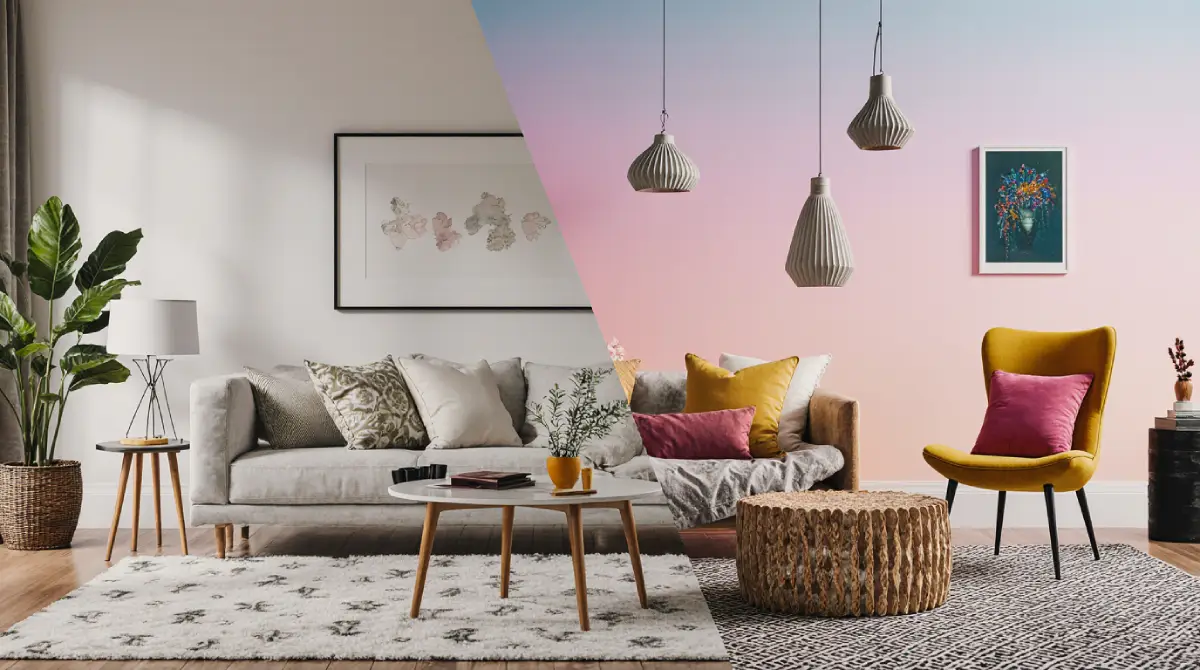
Finally, the rise of social media platforms like Pinterest and Instagram has amplified the visibility and desirability of both styles. Eye-catching minimalist interiors with airy layouts and neutral palettes contrast beautifully with the bold, layered maximalist spaces filled with art, textiles, and statement furniture. Homeowners are inspired to experiment with both, blending elements to suit their personalities and lifestyles.
In essence, the fascination with minimalist vs maximalist interior design styles comes from the emotional and functional benefits they provide, their adaptability to modern living, and their ability to visually communicate lifestyle, taste, and creativity.
2- Top Minimalist vs Maximalist Home Decor Ideas to Transform Any Space
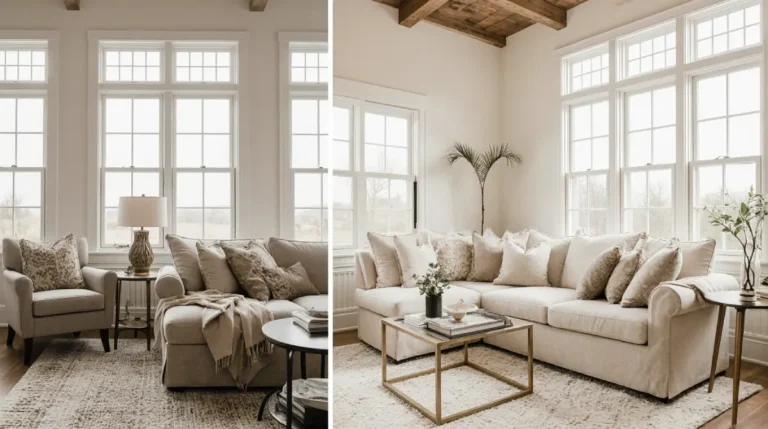
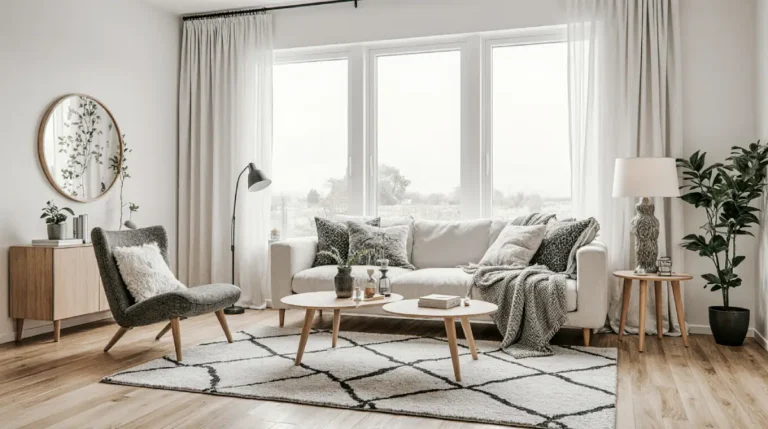
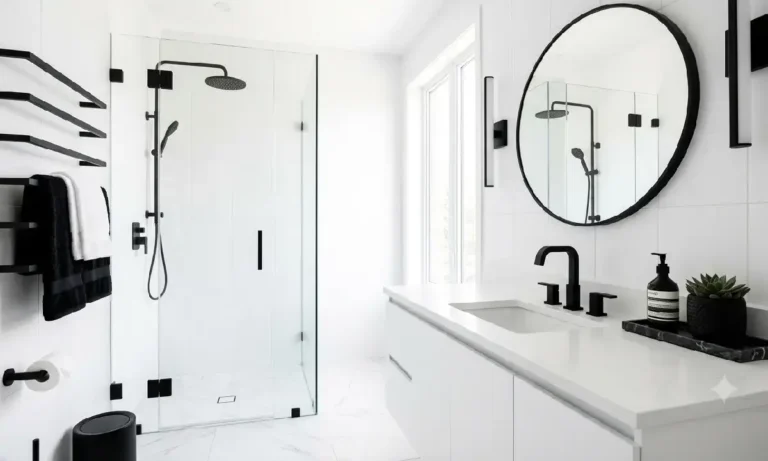
When it comes to transforming a home, minimalist vs maximalist home decor ideas offer very different strategies, each with unique opportunities for impact. For minimalist interiors, the focus is on simplicity and restraint. Start with a neutral palette white, beige, grey, or soft pastels and allow the architecture and furniture to take center stage. Choose furniture with clean lines, multipurpose functionality, and subtle detailing. Storage solutions should be smart and hidden, ensuring surfaces remain uncluttered and the space feels expansive.
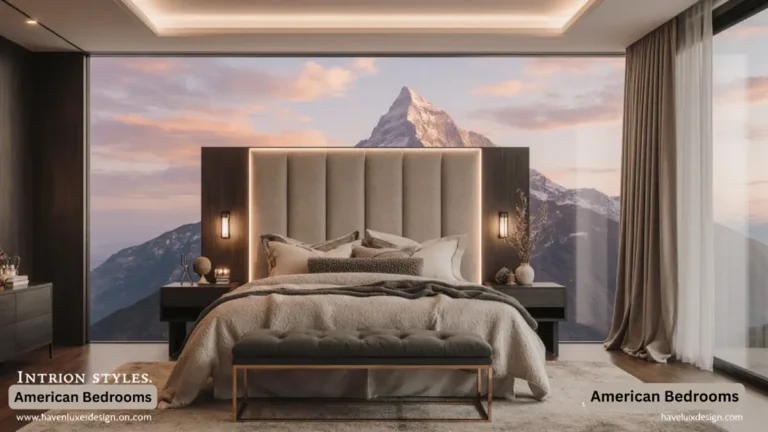
Texture is crucial even in minimalist interiors. While color is restrained, layering textures such as a wool rug, linen cushions, or a wooden accent wall adds warmth and depth. Minimalist décor often includes statement pieces like a sculptural chair or a modern lighting fixture to act as focal points without overwhelming the space. Artworks are typically chosen carefully, with each piece complementing the overall calm and cohesive aesthetic.
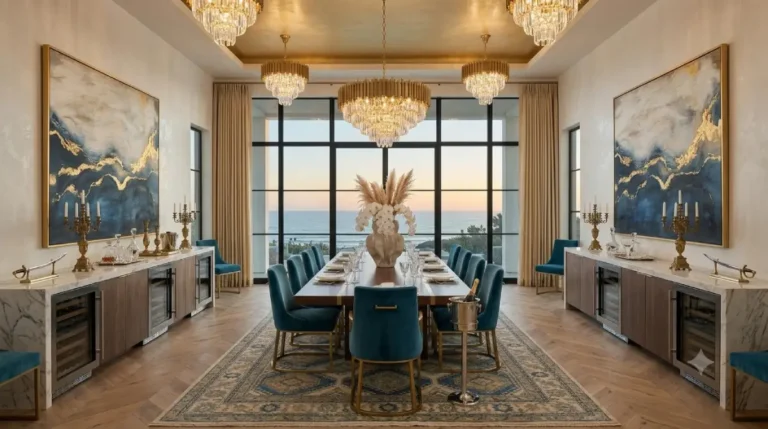
Maximalist home décor ideas take a completely different approach. The goal is to create visually stimulating, layered spaces that tell a story. Start with a bold color palette or rich patterns on walls, rugs, or furniture. Mix textures, such as velvet cushions with woven rugs, leather chairs, and metallic accents, to create depth and vibrancy. Collections of art, books, ceramics, and personal memorabilia are showcased rather than hidden, turning everyday items into focal points.
For a maximalist space, consider mixing eras and styles pair a modern sofa with an antique rug or contemporary lighting with vintage accessories. The key to successful maximalist design is cohesion: even when there’s a lot going on, colors, shapes, or themes should subtly tie elements together, preventing chaos. Layering is intentional, not random, ensuring the room feels curated rather than cluttered.
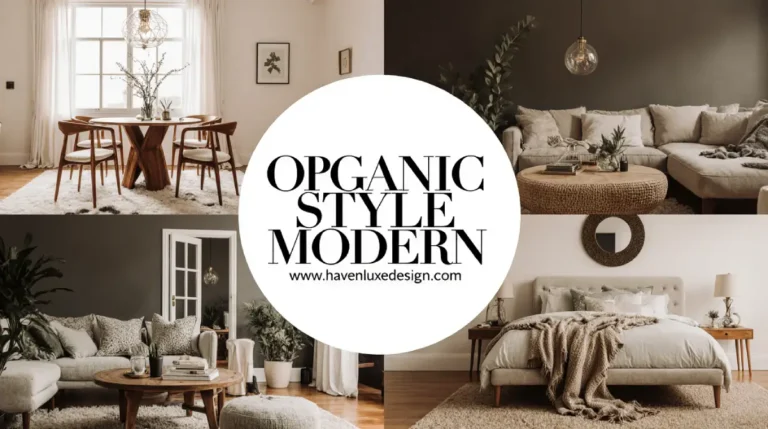
Interestingly, there are also opportunities for hybrid approaches, blending minimalist and maximalist elements. For example, a minimalist living room with neutral walls and furniture can incorporate a maximalist gallery wall or statement rug. This combination allows homeowners to enjoy the calm of minimalism while expressing personality and creativity through select maximalist accents.
Whether you gravitate toward minimalist simplicity or maximalist vibrancy, these home décor ideas can transform spaces into inspiring, livable interiors that feel polished, functional, and expressive.
3- How Minimalist vs Maximalist Interior Design Styles Shape Mood, Function, and Style
One of the most fascinating aspects of minimalist vs maximalist interior design styles is how profoundly they influence mood, functionality, and overall home style. Minimalist interiors are inherently calming. The clean lines, uncluttered spaces, and neutral palettes reduce visual noise, creating environments that support focus, relaxation, and mental clarity. They are particularly effective in small spaces, as minimalism maximizes natural light, creates the illusion of spaciousness, and prioritizes essential furnishings and storage.
Functionality is a hallmark of minimalism. Every item in a minimalist home has a purpose, which often results in multipurpose furniture, hidden storage, and open layouts that encourage movement and flexibility. Minimalist homes feel orderly, which can reduce stress and make daily routines easier to manage. This design approach emphasizes quality over quantity, often featuring high-quality materials, craftsmanship, and timeless furniture pieces.
Maximalist interiors, in contrast, shape mood by stimulating the senses. Vibrant colors, rich textures, layered patterns, and curated collections energize a space, making it feel lively, dynamic, and deeply personal. Maximalist homes can foster creativity, inspire conversation, and reflect the personality of the residents in every corner of the room.
While maximalist spaces may initially seem less functional, thoughtful curation ensures that these homes balance vibrancy with usability. Grouping similar items, using cohesive color schemes, and strategically placing statement pieces can maintain order while celebrating abundance. Maximalism encourages exploration, curiosity, and engagement, turning each room into an experiential environment.
Both styles also convey distinct stylistic statements. Minimalist interiors exude sophistication, elegance, and restraint, emphasizing structure and form. Maximalist interiors radiate personality, eclecticism, and cultural richness, celebrating individuality and storytelling. Choosing between the two or combining elements allows homeowners to create spaces aligned with their lifestyle, mood, and aesthetic preferences.
Ultimately, Minimalist vs Maximalist Home Decor Ideas influence how we feel, move, and interact within our homes. They shape ambiance, comfort, and expression, making the choice of style an essential component of functional and emotionally resonant interior design.
4- Expert Tips for Mixing Minimalist vs Maximalist Home Decor Without Overwhelming Your Space
For homeowners intrigued by both approaches, mixing minimalist vs maximalist home decor can produce exciting, layered, and balanced interiors. The key is intentionality and moderation, ensuring that bold maximalist accents enhance rather than overpower a minimalist foundation.
Start with a minimalist base: neutral walls, clean-lined furniture, and open layouts. This provides a calm, structured canvas for introducing maximalist elements such as a vibrant rug, statement lighting, gallery wall, or colorful accessories. By anchoring the room in simplicity, you allow maximalist accents to shine without creating chaos.
Focus on color harmony. Even when adding bold colors or patterns, ensure they complement the existing palette. For example, a mostly beige and white living room can include jewel-toned cushions or a patterned throw to add vibrancy without disrupting balance.
Layer textures and materials thoughtfully. Smooth minimalist surfaces, such as glass tables or sleek cabinets, can be paired with textured maximalist elements like woven baskets, velvet cushions, or patterned rugs. This interplay adds visual interest while maintaining cohesion.
Another tip is strategic placement of focal points. Maximalist décor works best when there are clearly defined attention-grabbing elements, such as a feature wall, art installation, or bold furniture piece. Surrounding these focal points with minimalist surroundings ensures the eye is guided and the space remains harmonious.
Finally, curation is essential. Avoid random accumulation. Maximalist accents should feel intentional, cohesive, and reflective of personal style. Mixing minimalist and maximalist design successfully requires discernment each piece should add to the narrative of the room rather than compete for attention.
By following these expert strategies, homeowners can enjoy the best of both worlds: the calm, structured elegance of minimalism with the energy, personality, and richness of maximalism. This approach allows for dynamic, expressive, and highly personalized interiors.
Conclusion
Minimalist vs maximalist interior design styles offer two strikingly different, yet equally compelling approaches to home décor. Minimalism prioritizes clarity, simplicity, and functional elegance, while maximalism celebrates abundance, personality, and layered creativity. Both have captured the hearts of homeowners, designers, and enthusiasts, shaping modern interiors in profound ways.
Through careful exploration of minimalist vs maximalist home decor ideas, homeowners can transform spaces, evoke specific moods, and reflect their personal style. Whether choosing one approach or blending the two, the result is a home that is visually engaging, functional, and uniquely expressive.
By embracing these styles thoughtfully, your interiors can be both inspiring and livable a perfect balance of calm sophistication and bold creativity that resonates with your lifestyle and aesthetic preferences.
FAQs about Minimalist vs Maximalist Home Decor Ideas
Q1: What is the difference between minimalist and maximalist home decor?
A1: Minimalist decor focuses on simplicity, clean lines, and neutral tones, while maximalist decor celebrates bold colors, patterns, and layered textures. Both styles can create beautiful, functional spaces depending on your personality and taste.
Q2: Can minimalist and maximalist styles be combined?
A2: Absolutely! Combining elements from both styles allows you to enjoy a balanced space with pops of color or statement pieces while keeping the overall design clean and functional.
Q3: How do I decide between minimalist vs maximalist home decor ideas?
A3: Consider your lifestyle, space, and personality. If you prefer calm, uncluttered environments, minimalism works best. If you love creativity, layers, and bold expression, maximalism is ideal.
Q4: What rooms work best for experimenting with minimalist vs maximalist interior design styles?
A4: Living rooms, bedrooms, and home offices are perfect spaces to explore both styles. You can test bold colors or textures in small areas before committing to a full room transformation.
Q5: Are minimalist vs maximalist home decor ideas expensive to implement?
A5: Not necessarily. Minimalist spaces often focus on quality over quantity, while maximalist designs may involve layering existing pieces creatively. Both styles can be achieved on a budget with thoughtful planning.