How to Mix Furniture Styles at Home for a Stunning Look!
Are you tired of staring at a living room that feels flat or uninspired? The secret to transforming your space into a showstopper isn’t buying an entirely new set of furniture it’s learning how to mix and match furniture for a stylish! Combining different furniture pieces can create a dynamic, layered, and visually stunning environment that reflects your personality. From vintage finds to modern statement pieces, mastering the art of mixing and matching furniture allows you to create a home that’s stylish, comfortable, and uniquely yours. In this article, we’ll explore everything from the transformational power of mixing furniture styles to practical tips, design secrets, and common mistakes to avoid. Let’s dive in and make your home look amazing!
Table of Contents
Why Learning How to Mix Furniture Styles at Home Can Transform Your Space
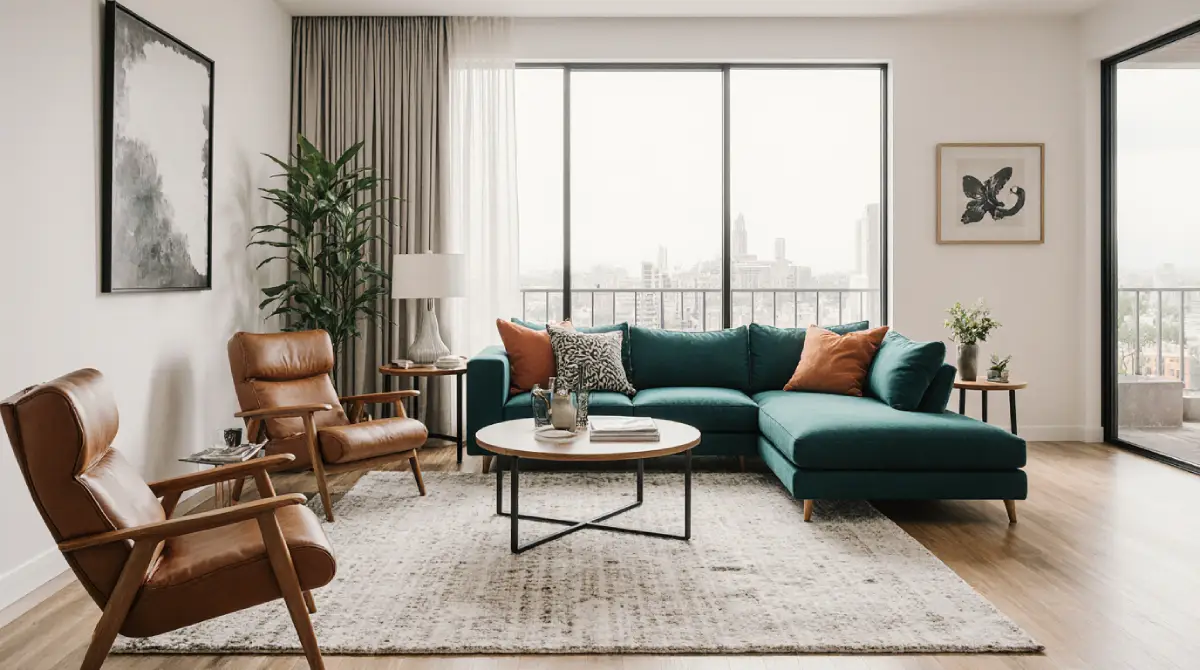
The magic of home décor lies in its ability to express your personality while making a space feel comfortable and inviting. When you understand mixing furniture styles in living room, you unlock the potential to turn a plain room into a visually stunning masterpiece. Combining different furniture pieces allows for unexpected harmony pairing the sleek lines of a modern sofa with the intricate details of a vintage armchair, for example, creates contrast that instantly elevates a space.
Mixing styles also adds depth and dimension. A room filled with identical furniture can feel sterile, but strategically combining pieces from different eras or aesthetics introduces layers that make the space feel curated and personal. The contrast between styles draws the eye, creating focal points and sparking interest in every corner of your home.
Another transformational benefit is flexibility. Learning how to blend furniture styles in interior design home ensures that your décor evolves with you. You can integrate heirloom pieces, thrifted finds, or new statement furniture without feeling locked into a single style. This approach promotes sustainability too, giving new life to old pieces rather than discarding them for a full redesign.
Beyond aesthetics, mixed furniture enhances functionality. For instance, pairing a large modern sectional with a vintage coffee table can create multiple zones for lounging, working, or entertaining. This makes your space not just beautiful but also versatile and user-friendly.
Finally, understanding how to mix and match furniture for a stylish encourages creativity. It’s an exciting design challenge that allows you to experiment with textures, colors, and layouts. The more you practice, the more intuitive and confident you become, ultimately allowing you to craft a space that feels effortless and inspiring.
Top Tips on How to Mix and Match Furniture for a Stylish and Cohesive Look
Mixing furniture styles might sound intimidating, but with a few key strategies, it becomes an exciting adventure. The goal of combining modern and vintage furniture is to combine diversity with harmony so your space feels intentional rather than chaotic.
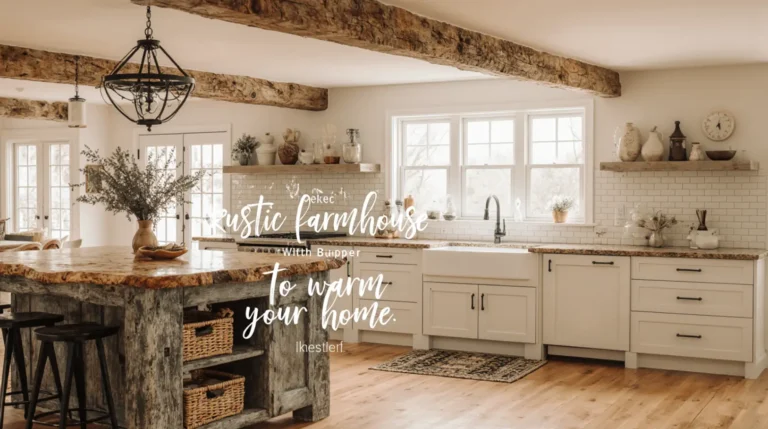
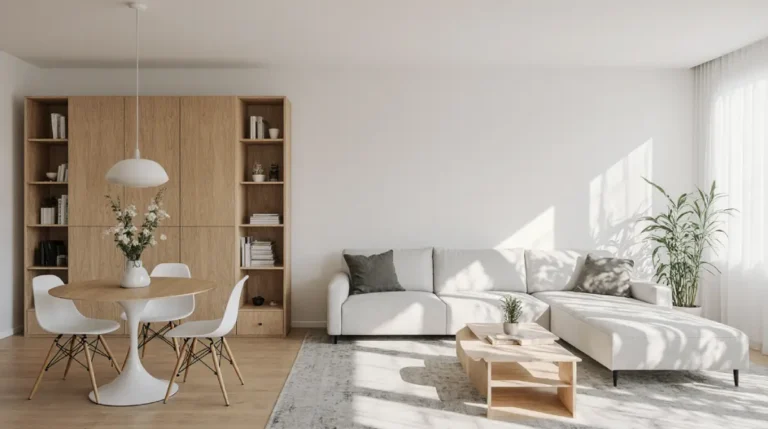
One of the most effective tips is to establish a common thread. Whether it’s a consistent color palette, material, or design motif, a unifying element keeps different furniture pieces cohesive. For example, if you’re pairing mid-century modern chairs with a rustic farmhouse table, maintaining a neutral color scheme can tie the pieces together seamlessly.
Balance is another critical principle. When mixing styles, consider scale and proportion. Large, chunky pieces should be paired with lighter, more streamlined furniture to avoid a heavy or cluttered feel. Combining modern and vintage furniture successfully requires visual equilibrium: symmetry, repetition of shapes, or alternating textures can create a balanced composition that pleases the eye.
Incorporating statement pieces strategically adds drama without overwhelming the room. A bold vintage armchair or a modern geometric bookshelf can serve as conversation starters, drawing attention and anchoring the room’s aesthetic. Use these anchor pieces to guide your choices for surrounding furniture, ensuring everything complements rather than competes.
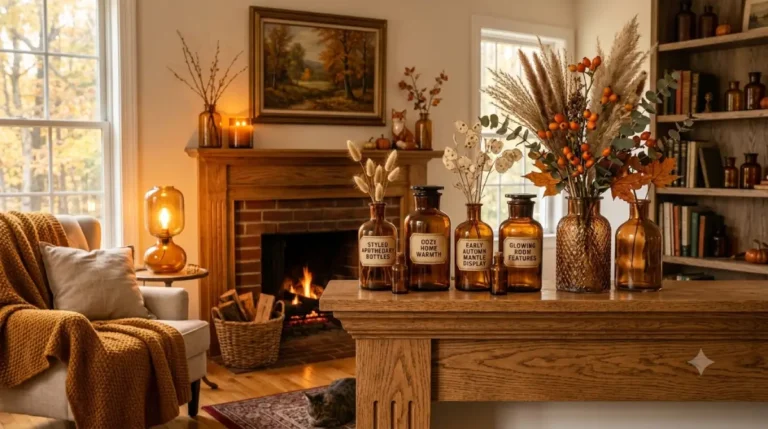
Layering is another powerful tool. Mix furniture with complementary accessories like throw pillows, rugs, and lighting fixtures. These layers provide cohesion and reinforce the theme, enhancing the overall impact of how to blend furniture styles in interior design environment.
Finally, trust your intuition. Mixing furniture styles should feel fun and expressive. Start small by combining a few pieces, then expand as you gain confidence. Experimenting allows you to discover surprising combinations that elevate your home and reflect your personal taste.
Color, Texture, and Layout Secrets for How to Mix Furniture Styles at Home
A truly stunning space is built not only on furniture but also on color, texture, and layout. When considering decorating with different furniture styles understanding these elements can make or break your design.
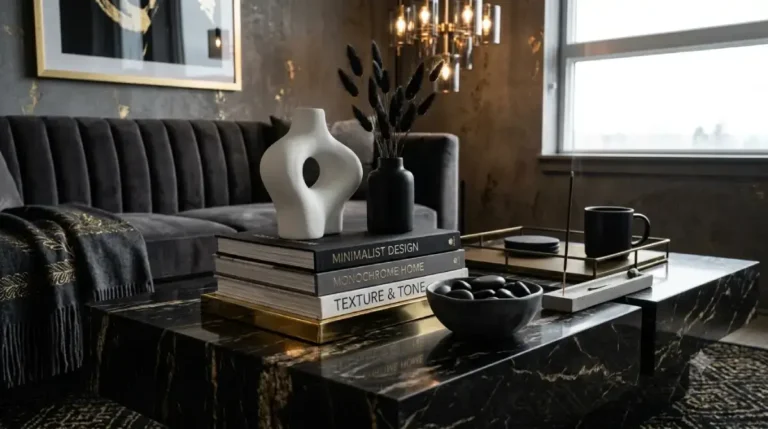
Color is a foundational tool. Coordinating hues across different furniture styles creates harmony. You can use complementary colors for contrast or stick with a monochromatic scheme for elegance. Even small accents, like cushions or decorative items, can unify diverse pieces, making the room feel cohesive and intentional.
Texture plays a critical role as well. Combining materials like wood, metal, leather, and fabric adds depth and tactile interest. Imagine a soft velvet armchair paired with a sleek glass coffee table and a rough-hewn wooden sideboard. This interplay of textures makes a space feel layered, luxurious, and inviting. The key to interior design style mixing guide is to ensure textures complement rather than clash.
Layout is equally essential. Arrange furniture to create natural flow and conversation zones. Don’t be afraid to break symmetry staggering chairs or offsetting a sofa with a rug can add visual excitement. Consider traffic patterns, focal points, and lighting when placing each piece to achieve both style and function.
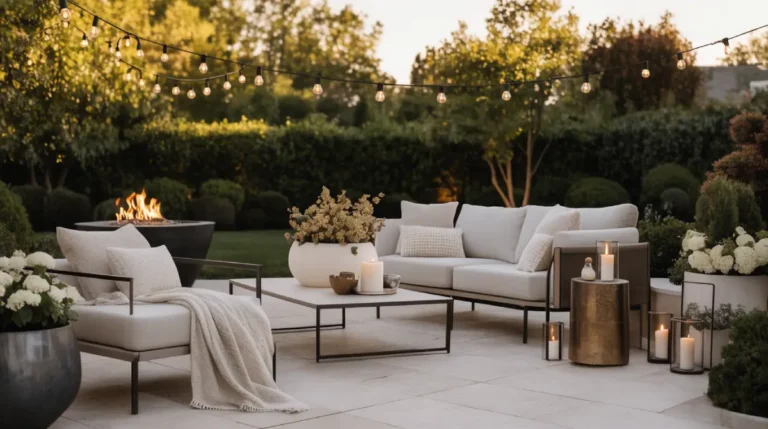
Accessories like rugs, art, and lighting can reinforce your furniture choices. A bold rug can tie together disparate seating styles, while carefully chosen lighting can highlight your favorite pieces and create mood. Incorporating these finishing touches ensures your space feels fully curated and intentional.
By mastering color, texture, and layout, you can confidently experiment with how to blend furniture styles in interior design look without fear of creating chaos. The result? A home that feels dynamic, polished, and utterly unique.
Common Mistakes to Avoid When Trying How to Mix and Match Furniture for a Stylish Home
Even seasoned decorators can stumble when learning how to mix furniture styles at home. Avoiding common pitfalls ensures your space feels intentional rather than haphazard.
One frequent mistake is neglecting scale and proportion. Pairing oversized pieces with tiny accents can throw off balance, making a room feel awkward or cramped. Always measure your furniture and consider the size of your space before committing.
Overloading the room with too many contrasting styles is another trap. While variety is exciting, too much can create visual chaos. The secret to how to create a cohesive home design home lies in selective combinations choose two or three dominant styles and weave in small accents to maintain harmony.
Ignoring color coordination is also common. A mismatched palette can quickly make a room feel disconnected. Ensure that at least one color or tone recurs across furniture and accessories to maintain cohesion.
Lastly, underestimating the power of accessories and lighting is a mistake. Even perfectly mixed furniture can feel incomplete without the right finishing touches. Rugs, cushions, artwork, and strategic lighting can unify styles and elevate the overall aesthetic.
By avoiding these missteps, you can confidently experiment and achieve a home that’s both stylish and inviting, showcasing your unique taste while following key design principles.
Conclusion
Mastering how to mix furniture styles at home is an exciting journey that transforms ordinary rooms into extraordinary spaces. From understanding the power of mixing furniture styles to applying practical tips, color, texture, layout secrets, and avoiding common mistakes, every step brings you closer to a home that’s stylish, cohesive, and uniquely yours. By learningmixing furniture styles in living room look, you gain the tools to create a space that not only looks stunning but feels like a true reflection of your personality. Embrace creativity, experiment boldly, and watch your home evolve into a masterpiece that wows every guest who walks through your door!
FAQs about How to Mix Furniture Styles at Home for a Stunning Look!
1. How do you mixing furniture styles in living room
without clashing?
To mix furniture styles without clashing, focus on a unifying element such as color, material, or shape. Keeping a consistent palette helps different styles feel connected and balanced.
2. What furniture styles work well together?
Modern and vintage, rustic and industrial, or minimalist and bohemian styles often pair well together. The key is contrast with cohesion—different but not chaotic.
3. How many furniture styles should you mix in one room?
It’s best to stick to 2–3 furniture styles in one room. This prevents the space from feeling overwhelming while still adding visual interest.
4. Can you mix wood tones in furniture?
Yes, mixing wood tones adds depth and warmth. Use a dominant tone and complement it with lighter or darker variations for harmony.
5. What is the 80/20 rule in combining modern and vintage furniture?
The 80/20 rule means using one dominant style for 80% of the room and adding 20% of a contrasting style for visual interest.
6. How do you make decorating with different furniture styles look cohesive?
Use repeating elements like colors, textures, or finishes throughout the room. Rugs, cushions, and decor pieces can tie everything together.