Plaster Wall Texture Ideas for Timeless Modern Interiors
Interior design is constantly evolving, yet some of the most captivating trends are inspired by the past. Today, homeowners and designers are rediscovering the beauty of handcrafted finishes, natural materials, and authentic textures that bring warmth and character into modern spaces. Among these timeless design movements, Plaster Wall Texture: The Return of Old-World Charm in Minimalist Living Rooms has emerged as one of the most exciting ways to transform contemporary interiors.
For years, perfectly smooth walls and flat painted surfaces dominated minimalist design. While these finishes created clean and simple environments, many homeowners began searching for spaces that felt more emotional, organic, and connected to craftsmanship. Plaster walls answer this desire by introducing subtle movement, depth, and natural variation.
Unlike traditional paint finishes, plaster creates a tactile surface that changes beautifully with lighting throughout the day. Morning sunlight highlights gentle imperfections, while evening shadows enhance the handmade quality of the finish. This creates living spaces that feel dynamic, sophisticated, and full of personality.
The renewed interest in plaster is also connected to the popularity of organic modern, Mediterranean, Japandi, and quiet luxury interiors. These styles celebrate simplicity but avoid feeling cold or empty. Instead, they focus on warmth, natural materials, and thoughtful details.
This is why plaster wall texture ideas have become increasingly popular among homeowners looking to create elegant yet comfortable interiors. Whether used throughout an entire living room or applied as a feature wall, plaster finishes provide a beautiful foundation for modern decor.
The appeal of plaster walls comes from their ability to balance old-world craftsmanship with contemporary minimalism. They create a sense of history while remaining perfectly suited for modern lifestyles.
From soft limewash effects to textured Venetian plaster and earthy mineral finishes, there are countless ways to incorporate this trend into a home. Each variation offers a unique atmosphere, allowing homeowners to personalize their spaces while embracing timeless design principles.
In this guide, we will explore why plaster wall textures are returning to the spotlight, how to choose the right finishes and colors, and how to style these beautiful surfaces for a warm and sophisticated minimalist living room.
Table of Contents
1- Embracing Plaster Wall Texture Ideas in Minimalist Living Rooms
The growing popularity of plaster wall texture ideas in minimalist living rooms represents a major shift in modern interior design. Instead of focusing solely on clean lines and simplicity, homeowners are increasingly embracing surfaces that add depth, character, and a sense of authenticity.
Plaster walls have been used for centuries in historic homes, Mediterranean villas, and traditional architecture. Their handcrafted appearance creates a timeless charm that standard paint finishes often cannot replicate. This connection to history is one of the primary reasons why plaster has become highly desirable once again.
Modern homeowners are seeking interiors that feel unique rather than mass-produced. They want spaces that reflect craftsmanship, personality, and enduring beauty. Plaster wall texture ideas provide exactly this balance by introducing subtle variations in tone and texture that make every wall feel artistic and original.
In minimalist living rooms, textured plaster surfaces are especially effective because they add warmth and visual interest without creating clutter. The wall itself becomes a decorative feature, allowing homeowners to maintain a calm and uncluttered aesthetic while enhancing the overall atmosphere of the room.
2- Why Plaster Wall Texture Ideas Are Transforming Modern Interior Design Trends
The rise of plaster wall texture ideas reflects one of the most significant shifts in contemporary interior design: the movement toward sensory, experience-driven spaces.
Modern homeowners are no longer concerned only with how a room looks; they also want spaces that evoke emotions and create meaningful experiences. Texture has therefore become an essential design element because it influences how interiors feel.
Unlike smooth painted walls, textured plaster surfaces introduce depth, movement, and subtle shadows that change throughout the day as natural light interacts with them. This dynamic quality makes plaster particularly appealing in modern homes with large windows and open layouts.
Another reason plaster wall texture ideas are transforming interiors is their close association with modern luxury. Today’s luxury design emphasizes craftsmanship, authenticity, and understated elegance rather than excessive decoration. The handmade appearance of plaster perfectly embodies this philosophy, creating sophisticated spaces that feel refined yet natural.
Additionally, plaster aligns beautifully with current trends such as organic modern, Mediterranean, Japandi, and quiet luxury interiors. Its versatility allows it to complement natural wood, stone, linen, and earthy color palettes while providing a timeless backdrop that continues to age gracefully.
The growing interest in plaster wall texture ideas ultimately reflects a broader desire for interiors that feel authentic, emotionally comforting, and deeply connected to craftsmanship and natural beauty.
3- Choosing Natural Finishes and Colors for modern plaster wall ideas
Selecting the right finish and color is one of the most exciting parts of creating a beautiful plaster interior. The versatility of plaster wall texture ideas allows homeowners to customize their walls according to the mood, style, and atmosphere they want to achieve. Whether the goal is a soft minimalist retreat, a warm Mediterranean-inspired living room, or an elegant modern space, the right plaster finish can completely transform the environment.
When exploring modern plaster wall ideas, natural finishes are among the most popular choices because they create a sense of authenticity and timeless beauty. Unlike flat paint, plaster introduces subtle variations that make walls appear handcrafted and unique. These organic details create a feeling of warmth that works especially well in minimalist interiors.
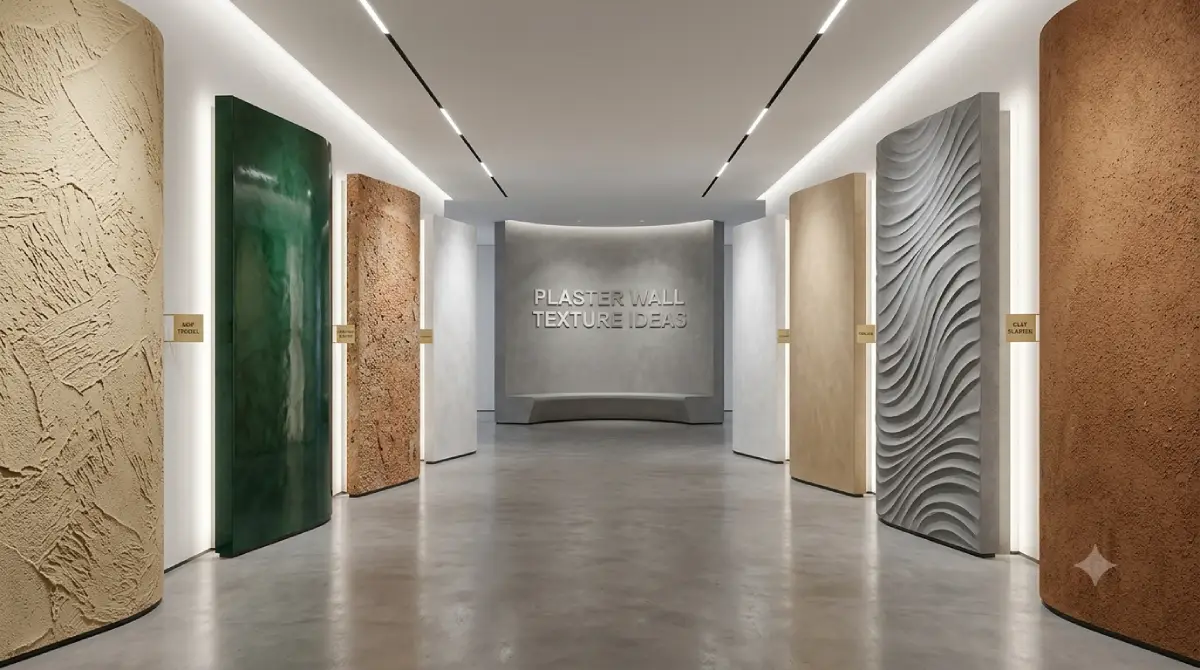
Lime plaster is one of the most celebrated options for homeowners seeking an old-world aesthetic. Traditionally used in historic European buildings, lime plaster creates a soft, breathable surface with gentle movement and natural depth. Its slightly imperfect appearance adds character while maintaining a refined and elegant look.
Venetian plaster is another luxurious option. Known for its smooth yet dimensional finish, Venetian plaster creates a polished stone-like appearance. It works beautifully in sophisticated living rooms where homeowners want a subtle sense of luxury without adding excessive decoration.
Clay plaster has also gained popularity because of its earthy appearance and connection to natural materials. Its soft texture and organic colors make it ideal for homes inspired by organic modern, Japandi, and Mediterranean design styles.
Color selection plays an equally important role in achieving the perfect atmosphere.
Neutral shades remain among the most popular choices for plaster walls. Warm whites, creamy beige tones, and soft taupes create calm and sophisticated interiors. These colors allow textured surfaces to become the main design feature without overwhelming the room.
For homeowners who want a more dramatic effect, earthy tones provide beautiful alternatives. Terracotta, sand, muted olive, and clay-inspired colors bring warmth and personality into living spaces.
A soft beige plaster wall paired with natural wood furniture can create a peaceful organic modern atmosphere. Meanwhile, a warm terracotta plaster finish can introduce Mediterranean charm and create a cozy gathering space.
The beauty of Plaster Wall Texture: The Return of Old-World Charm in Minimalist Living Rooms is that these finishes allow homeowners to create visually rich interiors while maintaining simplicity.
Lighting should also be considered when selecting plaster finishes. Natural sunlight interacts beautifully with textured surfaces, emphasizing depth and creating changing patterns throughout the day.
Artificial lighting can enhance this effect as well. Warm lamps and strategically placed fixtures highlight the movement of the plaster and create inviting evening atmospheres.
Ultimately, choosing the right plaster finish is about creating harmony between texture, color, furniture, and lifestyle.
The most successful plaster interiors do not feel overly designed. Instead, they feel natural, comfortable, and timeless.
By exploring different plaster wall texture ideas, homeowners can discover finishes that transform ordinary walls into artistic expressions of craftsmanship and beauty.
4- Creating Warm Minimalist Spaces With Plaster Wall Texture: The Return of Old-World Charm in Minimalist Living Rooms
Minimalist design has always focused on simplicity, but today’s interpretation of minimalism is becoming warmer, softer, and more emotionally inviting. This evolution has created the perfect opportunity for textured finishes like plaster to take center stage.
Plaster Wall Texture: The Return of Old-World Charm in Minimalist Living Rooms represents the combination of two seemingly opposite concepts: simplicity and character.
Traditional minimalism often emphasized empty spaces, clean surfaces, and limited decoration. While this approach created visual calm, some interiors lacked warmth and personality.
Plaster changes that experience.
A textured wall provides visual interest without introducing clutter. It allows homeowners to maintain a minimalist foundation while adding depth and richness.
This makes plaster especially effective in living rooms where comfort and relaxation are priorities.
One of the best ways to create a warm minimalist space is by combining plaster walls with natural materials.
Wood furniture introduces warmth and contrast.
Linen upholstery adds softness.
Stone accessories create organic balance.
Woven textiles contribute additional texture.
Together, these materials create layered interiors that feel sophisticated yet comfortable.
The key to successful minimalist design is intentionality.
Every piece should serve a purpose.
A plaster wall naturally becomes an architectural feature, reducing the need for excessive artwork or decorative objects.
This creates a more peaceful and uncluttered environment.
Neutral plaster finishes are particularly effective in minimalist homes.
Soft ivory, warm beige, and sandy tones create relaxing backgrounds that complement modern furniture.
These colors also allow natural materials to stand out.
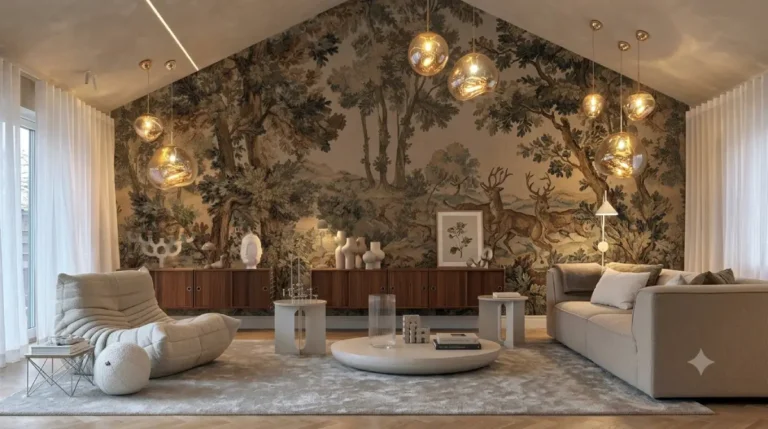
For example, a creamy plaster wall behind a walnut console creates a beautifully balanced composition.
A light plaster finish paired with curved furniture creates a soft and contemporary atmosphere.
The relationship between plaster and lighting is another important factor.
Minimalist interiors often rely on natural light, and plaster enhances this beautifully. Shadows created by sunlight reveal subtle texture and movement, making the room feel alive.
This connection between architecture and light is one of the reasons plaster has remained popular for centuries.
Modern homeowners are increasingly seeking spaces that feel authentic rather than overly polished.
Perfectly smooth surfaces can sometimes feel artificial, while plaster introduces the beauty of natural variation.
This is why plaster wall texture ideas continue to influence modern interiors.
They provide the ideal balance between simplicity and warmth.
A minimalist living room with plaster walls does not need excessive decoration. The texture itself becomes the statement.
The result is a calm, elegant, and timeless environment that feels both contemporary and connected to tradition.
5- Styling Furniture and Decor Around luxury textured wall ideas Timeless Interiors
Once luxury textured wall ideas become the foundation of a room, furniture and decor choices play an important role in enhancing their beauty.
Because plaster already provides texture and character, the surrounding elements should complement rather than compete with the walls.
Natural materials are among the best choices for styling rooms with plaster finishes.
Wood furniture creates warmth and emphasizes the organic quality of the surface.
Oak, walnut, and reclaimed wood pieces work particularly well because their natural grain contrasts beautifully with textured walls.
Soft furnishings also help create balance.
Linen sofas, wool rugs, cotton cushions, and woven throws introduce additional layers of comfort.
These materials reinforce the relaxed elegance associated with plaster interiors.
Curved furniture is another popular choice.
Rounded sofas, sculptural chairs, and organic coffee tables create a softer visual flow against textured backgrounds.
This approach works especially well in modern minimalist spaces.
Decor should remain thoughtful and intentional.
Rather than filling the room with accessories, choose pieces that have meaning or contribute to the overall atmosphere.
Ceramic vases, handcrafted objects, vintage books, and natural sculptures complement plaster beautifully.
Plants are another excellent addition.
Greenery introduces freshness and strengthens the connection between indoor spaces and nature.
Large leafy plants can create dramatic contrast, while smaller plants add subtle softness.
Artwork selection should also consider the wall texture.
Minimalist artwork, abstract pieces, and natural photography often work beautifully with plaster finishes.
The goal is to enhance the wall rather than hide it.
The beauty of plaster wall texture ideas is that they create a flexible backdrop suitable for many decorating styles.
A Mediterranean-inspired room may feature rustic wood and woven accents.
A quiet luxury space may include elegant furniture and refined accessories.
A Japandi interior may combine plaster walls with simple wooden furniture and calm neutral tones.
The versatility of plaster allows homeowners to express their personal style while maintaining timeless elegance.
By carefully selecting furniture and decor, plaster walls can become the foundation of a truly unforgettable interior.
6- Designing a Serene Home Atmosphere With Plaster Wall Texture: The Return of Old-World Charm in Minimalist Living Rooms
The ultimate goal of interior design is not simply creating beautiful rooms but creating spaces that improve everyday living.
This is where modern plaster wall ideas : The Return of Old-World Charm in Minimalist Living Rooms becomes especially meaningful.
Textured plaster walls contribute to a sense of calm, warmth, and emotional comfort.
Their natural appearance creates environments that feel grounded and peaceful.
In today’s fast-paced world, homeowners increasingly want spaces that provide relaxation and restoration.
Plaster supports this desire by introducing organic qualities that connect interiors with nature.
A serene living room often begins with a calming color palette.
Soft neutrals, earthy shades, and natural textures create a balanced atmosphere.
Plaster walls provide the perfect foundation for this approach.
Lighting is equally important.
Soft ambient lighting enhances the texture of plaster and creates inviting evening spaces.
Table lamps, floor lamps, and wall sconces can highlight the architectural beauty of textured surfaces.
Comfort should also remain a priority.
Plush seating, cozy textiles, and carefully arranged furniture create spaces designed for relaxation.
The result is a living room that feels welcoming rather than simply stylish.
Personal touches complete the atmosphere.
Family photographs, handmade objects, books, and collected pieces introduce personality.
These elements prevent minimalist spaces from feeling cold.
Instead, they create homes that feel lived-in and meaningful.
The continued popularity of plaster wall texture ideas proves that homeowners are searching for authenticity.
They want materials that age gracefully, tell stories, and create emotional connections.
Plaster achieves all of these qualities.
It combines historic charm with modern simplicity, making it one of the most versatile design elements available today.
Conclusion
The resurgence of textured plaster wall ideas : The Return of Old-World Charm in Minimalist Living Rooms reflects a growing appreciation for craftsmanship, natural materials, and timeless beauty.
As homeowners move away from overly perfect interiors, textured finishes provide a refreshing alternative that feels authentic and meaningful.
Through thoughtful color choices, natural finishes, carefully selected furniture, and intentional decor, luxury textured wall ideas can transform ordinary living rooms into sophisticated retreats.
The popularity of plaster wall texture ideas continues because these surfaces offer more than visual appeal. They create atmosphere, emotion, and connection.
Whether used in a minimalist apartment, an organic modern home, or a classic residence, plaster brings warmth and character that never feels outdated.
The return of plaster proves that old-world design principles still have a powerful place in modern interiors.
By embracing texture, simplicity, and natural beauty, homeowners can create spaces that feel timeless, elegant, and truly personal.
FAQs about Plaster Wall Texture Ideas for Timeless Modern Interiors
What are plaster wall textures?
Plaster wall textures are decorative finishes applied to walls to create depth, movement, and visual interest using materials such as Venetian plaster, lime plaster, or textured compounds.
Are modern plaster wall ideas still in style?
Yes. Plaster walls are increasingly popular because they add warmth, softness, and an organic feel that complements modern, Mediterranean, Japandi, and rustic interiors.
Which rooms are best for textured plaster wall ideas?
Plaster textures work beautifully in living rooms, bedrooms, dining areas, entryways, bathrooms, and home offices.
What is the difference between plaster and textured paint?
Plaster creates a more dimensional and artisanal finish, while textured paint generally provides a lighter surface texture with easier application.
Are plaster walls expensive?
Costs vary depending on the finish and installation method, but plaster walls are often considered a premium design feature due to their handcrafted appearance.
Which colors work best with luxury textured wall ideas?
Warm whites, beige, taupe, greige, terracotta, and soft earth tones enhance the natural beauty of plaster finishes.