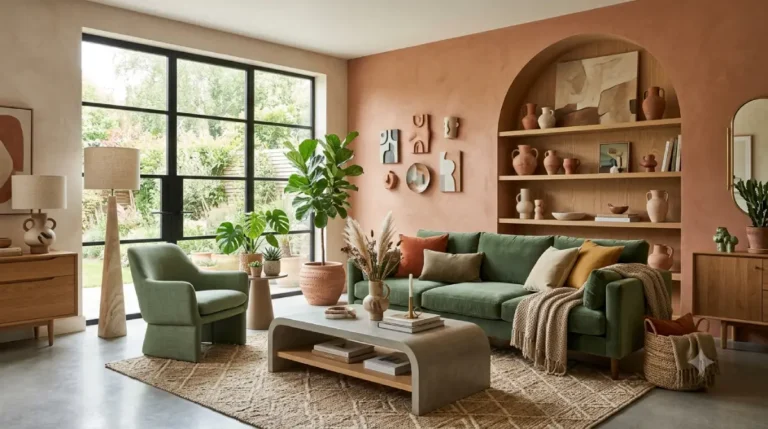
Corner Sofa Living Room Layout Ideas for Modern Spaces
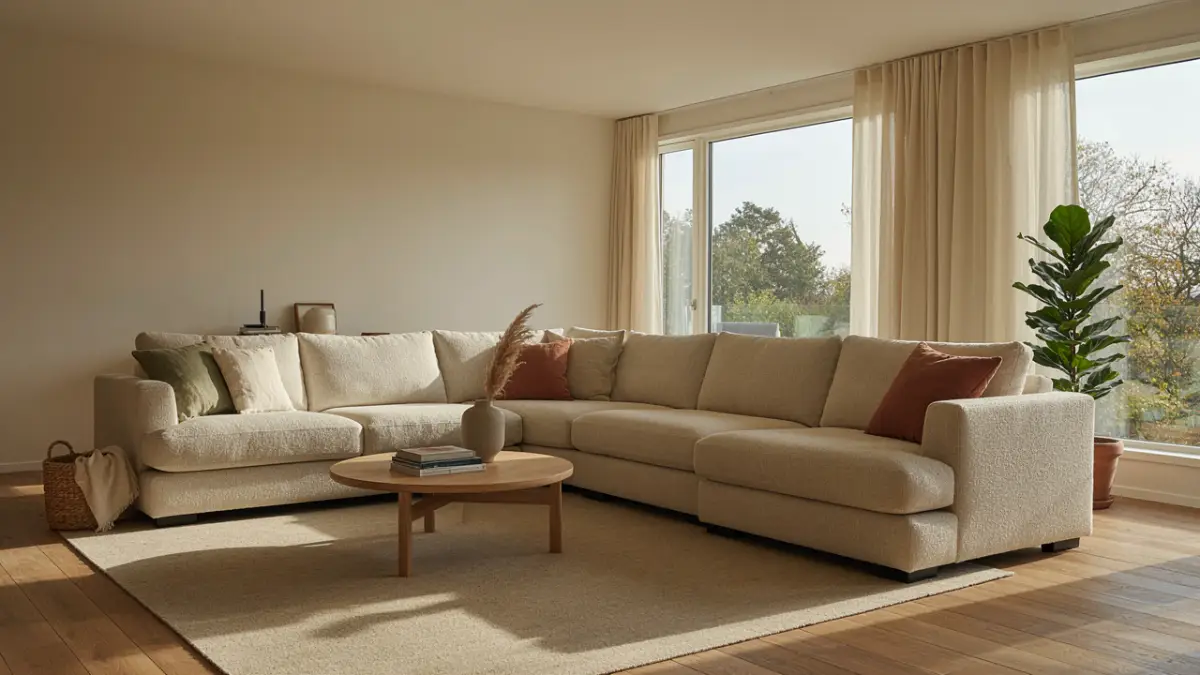
A corner sofa can completely transform the way a living room feels. It creates a generous seating area, makes use of awkward corners, and gives a modern room an immediate sense of structure. But simply placing a large sofa against two walls does not automatically create a successful layout. The real difference comes from how the sofa interacts with walkways, windows, the television, coffee table, rug, lighting, and the rest of the furniture.
The most effective Modern Corner Sofa Living Room Layouts feel open rather than cramped. They provide enough room to move comfortably while still making the seating area feel inviting. That balance becomes especially important in contemporary homes, where living rooms often need to perform several jobs at once. The same space may need to support relaxing, entertaining, watching television, working occasionally, and spending time with family.
A corner sofa can be particularly useful because its L-shape naturally creates a defined zone. In an open-plan home, this can help separate the living area from a dining space or kitchen without using walls. In a smaller room, the sofa can maximize seating while leaving the center of the room available for movement.
However, the size and orientation of the sofa matter. A chaise pointing toward the wrong circulation path can make a room feel blocked. A sofa that is too deep can reduce usable floor space. A coffee table that is oversized can make the entire seating area difficult to navigate.
That is why successful corner sofa living room layout ideas begin with the room itself. Measure the space, identify the main architectural features, and decide how you want the room to function before choosing the final arrangement.
This guide focuses on practical decisions that help you create a comfortable, modern living room with a corner sofa. You will learn how to build a balanced layout, position your television and rug, adapt the arrangement for smaller rooms, and avoid the mistakes that often make corner sofas look awkward or oversized.
Table of Contents
1- Modern Corner Sofa Living Room Layouts: Create a Balanced, Open Space
The foundation of a successful corner sofa arrangement is balance. A corner sofa is visually substantial, so the rest of the room needs to support it without competing for attention.
Start by deciding where the sofa should sit in relation to the room’s strongest architectural feature. In many living rooms, that feature is a large window, fireplace, built-in shelving, or television wall. Positioning the sofa so it responds to one of these elements creates a natural focal point.
When the room has a fireplace, the seating should encourage conversation while still allowing the fireplace to remain visually important. The corner sofa can face or partially angle toward it, depending on the shape of the room. This works particularly well when the sofa creates a defined seating zone without completely blocking views or circulation.
In a television-focused room, the sofa should provide comfortable viewing angles from the main seats. Avoid placing the television so that occupants must constantly turn their heads. The layout should feel natural when someone sits in the most frequently used part of the sofa.
One of the most common planning mistakes is pushing the entire corner sofa tightly into a corner simply because it fits. Sometimes that is exactly the right solution, but not always. In a larger room, slightly floating the sofa away from the walls can create a more intentional layout.
This technique is especially effective in open-plan spaces. The back of the sofa can help define the living zone and create a subtle boundary between the lounge, dining area, and kitchen.
When floating a corner sofa, think carefully about the walking path behind it. Leave enough space for comfortable movement rather than creating a narrow corridor. The exact amount depends on the room, but the guiding principle is simple: a person should be able to walk through the space without squeezing between furniture.
Symmetry is another useful design tool, but it does not need to be perfect. If one side of the corner sofa is balanced by a floor lamp and side table, the other side could be balanced by a plant or accent chair. The goal is visual weight, not identical objects.
This matters because corner sofas can visually dominate one side of the room. Adding a chair, console, tall lamp, or substantial artwork elsewhere can keep the composition from feeling lopsided.
The shape of the room should also influence orientation. In a long, narrow living room, an L-shaped sofa can help emphasize the width of the seating area while keeping the central walkway open. In a square room, the sofa may work better along two adjoining walls or slightly off the corner depending on the location of doors and windows.
Pay attention to door swings and entry points before finalizing the layout. A beautiful sofa arrangement is not successful if an open door repeatedly collides with a table or blocks the easiest route into the room.
Modern corner sofa living room layouts work best when every piece has a purpose. The sofa defines the main seating zone, a coffee table supports daily use, lighting creates atmosphere, and side tables provide practical surfaces.
Try to avoid adding furniture simply because there is an empty area. Empty space is valuable. It allows the main furniture to breathe and makes the room feel larger.
If the room feels visually heavy, reduce the number of large pieces before adding accessories. A single accent chair may be enough when the corner sofa already provides extensive seating.
Another useful strategy is to consider sightlines from the room entrance. When you walk into the space, you should immediately understand where the seating area is and where people are expected to sit. A clear visual hierarchy makes the room feel organized.
The best corner sofa living room layout ideas do not necessarily use the most furniture. They use furniture strategically.
For a modern aesthetic, keep the overall composition relatively clean. Choose simple silhouettes, repeat materials thoughtfully, and let the sofa remain one of the primary visual anchors.
2- Corner Sofa Living Room Layout Ideas: Furniture, TV & Rug Placement
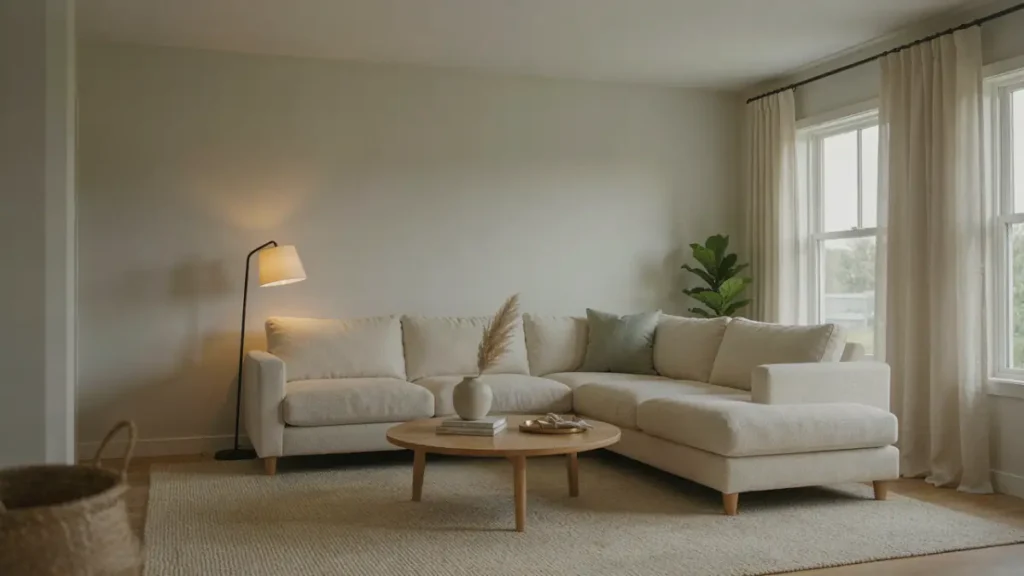
Once the main sofa position is established, the smaller furniture pieces need to work around it. The coffee table, television, rug, side tables, lighting, and occasional chairs all affect how comfortable the room feels.
Start with the coffee table because it becomes the central point of the seating arrangement. Its size should relate to the overall scale of the corner sofa without filling the entire open area.
A table that is too small can look disconnected and become awkward to use. A table that is too large can interfere with movement and make the sofa feel crowded.
A useful approach is to leave enough breathing room between the sofa and table for people to sit comfortably and get in and out without constantly bumping their knees. The exact distance will vary depending on the furniture, but practical circulation should always take priority over symmetry.
For households with young children, consider a rounded or oval coffee table. The softer shape reduces sharp corners and can make movement around the seating area easier.
In a compact room, a nesting table or small round table may be more practical than a large rectangular piece. The goal is to maintain the function of a coffee table without consuming valuable floor space.
Television placement requires similar attention.
The television should be visible from the primary seating positions, especially the longest section of the corner sofa. Avoid placing the screen too high simply because the wall allows it. A comfortable viewing position generally feels more natural than a dramatic, oversized wall installation.
The TV wall should also relate visually to the sofa. If the television is centered on a wall while the sofa is positioned far to one side, the room can feel unbalanced.
In an open-plan room, consider whether the television needs to be the main focal point at all. Some homeowners prefer the seating to face a fireplace or window while the television sits discreetly on an adjacent wall.
This can produce a more sophisticated living room because the TV does not dictate every furniture decision.
The rug is one of the most important elements in Modern Corner Sofa Living Room Layouts because it visually connects the furniture. A rug that is too small can make the sofa arrangement look fragmented, while a sufficiently large rug helps define the entire seating area.
Whenever possible, place at least the front legs of the main seating on the rug. In larger rooms, placing all major seating pieces fully on the rug can create an even stronger sense of unity.
The rug’s color and pattern should complement the sofa rather than compete with it. If the sofa is a bold color, a quieter rug may be the better choice. If the sofa is neutral, the rug can introduce more personality.
Side tables are also essential, particularly at the ends of the corner sofa where users naturally reach for a drink, book, lamp, or phone.
Do not force a side table into every possible gap. Choose the locations where a surface is genuinely useful.
Lighting should be layered around the sofa rather than concentrated in a single ceiling fixture. A floor lamp beside one end of the sofa can create a reading zone, while a table lamp on a nearby side table adds warmth.
This layered approach makes the room more flexible. Bright overhead lighting can support cleaning and general activity, while softer lamps make evening lounging more comfortable.
An accent chair can add balance when the corner sofa creates too much visual weight on one side of the room. However, the chair needs enough room to function. Avoid squeezing one into a corner simply to fill empty space.
Choose the chair based on what the room needs. A swivel chair can work particularly well in an open-plan space because it can turn toward the sofa, television, or dining area.
A console table behind the sofa can also be useful when the sofa is floated away from the wall. It provides a surface for lighting and accessories and visually completes the back of the sofa.
Think about all furniture from the perspective of movement. A room should have clear paths between the entrance, sofa, windows, and other frequently used areas.
When furniture is arranged with circulation in mind, even a large corner sofa can feel surprisingly light and comfortable.
3- Modern Corner Sofa Living Room Layouts: Small-Space Styling & Smart Solutions
A small living room does not automatically rule out a corner sofa. In many cases, a well-proportioned L-shaped sofa can actually make a compact room more efficient because it combines several seats into one piece of furniture.
The important word is proportion.
A corner sofa designed for a large open-plan room may overwhelm a small apartment. Look for compact depths, slimmer arms, and appropriately scaled chaise sections when space is limited.
Before shopping, measure the entire room and mark the proposed sofa dimensions on the floor using painter’s tape. This simple exercise gives you a much clearer understanding of how much space the sofa will occupy.
It also helps you identify problems before delivery.
A compact room benefits from visual simplicity. Choose fewer furniture pieces, but make each one useful.
Instead of combining a corner sofa with two large armchairs and a bulky coffee table, consider the sofa, one lightweight chair, and a smaller table.
This arrangement maintains seating capacity while preserving open floor space.
Furniture with visible legs can also help a small room feel lighter because more of the floor remains visible beneath the pieces. This creates a sense of openness without requiring the furniture itself to be physically smaller.
The same principle applies to the coffee table. A glass, slim-frame, or visually light table may work better than a heavy block design.
Storage is another major concern in compact living rooms. Consider an ottoman with hidden storage, a media unit with closed cabinets, or a sofa with built-in storage where appropriate.
The goal is to prevent everyday items from accumulating around the sofa.
A tidy room always appears larger.
Use the walls intelligently, too. Wall-mounted lighting and shelving can reduce the need for additional floor furniture. A floating media console can create useful storage while keeping the floor visually open.
Mirrors can also help reflect light and increase the sense of space, especially when positioned across from a window or in a place that captures natural light.
However, avoid covering every wall with mirrors. The goal is controlled reflection, not a visually busy room.
Color can influence perceived size as well. A lighter sofa and rug can create a more open feeling, while darker furniture can provide dramatic contrast. Neither approach is automatically wrong, but darker pieces should be balanced with sufficient light and visual breathing room.
If you love a deeper-colored corner sofa, use lighter walls, curtains, or flooring around it rather than abandoning the color altogether.
Curtains should also be considered carefully. Hanging them higher and allowing them to fall close to the floor can emphasize ceiling height. In a small room, this can make the space feel more vertical and spacious.
One smart solution for awkward layouts is choosing a reversible chaise or modular corner sofa. This provides more flexibility when the furniture needs to be repositioned.
That can be especially valuable for renters who may move or homeowners who frequently change room arrangements.
Open-plan spaces require another strategy. Use the corner sofa to create boundaries without closing the room. Placing it with its back toward the dining or kitchen area can establish a clear living zone.
Add a rug underneath the seating to strengthen that visual boundary. The combination of sofa and rug can define the room without adding physical walls.
For rooms with unusual corners, measure the angles carefully. A corner sofa may appear to fit on paper but leave an awkward triangular gap in practice.
Use those spaces intentionally. A floor lamp, tall plant, slim shelf, or small side table can turn an otherwise unused corner into a useful feature.
Another effective small-space technique is reducing visual clutter around the television. A simple wall-mounted screen and streamlined console often create a cleaner appearance than a large entertainment unit.
Keep decorative accessories selective. A few larger items usually look better than many tiny pieces in a compact room.
This is because small accessories create more visual interruptions, making the room feel busier.
The strongest corner sofa living room layout ideas for small spaces are based on editing. Choose the essential furniture, give every piece enough breathing room, and avoid filling every remaining corner.
A small room does not need to feel minimal or boring. It simply needs a clear hierarchy.
4- Corner Sofa Living Room Layout Ideas: Designer Tips & Common Mistakes
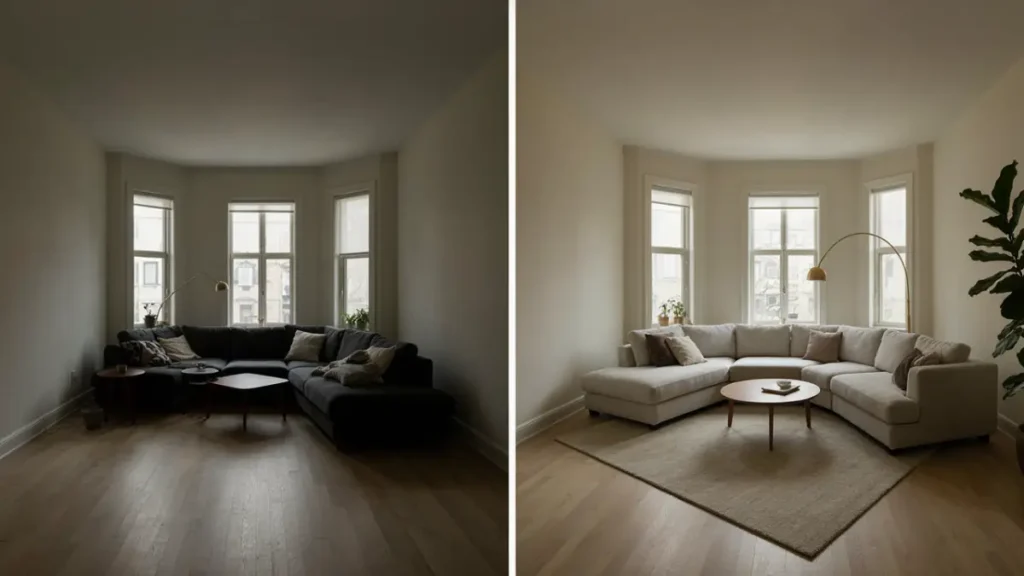
The difference between an average corner sofa arrangement and a professionally styled room often comes down to a few details that are easy to overlook.
The first is sofa orientation.
Many people automatically place the longer section of the corner sofa along the longest wall. That can work, but it is not always the best solution.
Consider where natural light enters the room, where people walk, and what you want the main view to be. Sometimes reversing the orientation creates a much better flow.
This is especially important when the sofa includes a chaise. The chaise should not interrupt the primary route through the room.
Another common mistake is choosing the sofa before measuring the space. A corner sofa can look relatively compact in a showroom but become enormous once it is inside a typical living room.
Always measure width, depth, arm width, chaise length, and doorway access.
Do not forget elevators, staircases, hallways, and tight entry points when ordering for an apartment.
A second mistake is placing the rug too far away from the furniture. When the rug sits completely in front of the sofa without visually connecting to it, the arrangement can look disconnected.
Bring the rug under the seating whenever the room allows.
Another common issue is placing every piece of furniture against the walls. This often creates an empty center while making the perimeter feel crowded.
Floating furniture can produce a much stronger layout, particularly in larger rooms.
That does not mean every sofa should float. In a smaller room, placing the sofa against the wall may maximize usable floor area.
The correct approach depends on scale and circulation.
Designers also pay attention to sightlines. When seated, can you comfortably see the television? Can you look toward the windows? Does the room feel balanced from the entrance?
Walk through the room physically before finalizing the arrangement. Sit in each main seat and test how the space feels.
This simple exercise often reveals problems that are difficult to spot from a floor plan.
Another mistake is matching every piece of furniture too closely. A corner sofa does not need a matching chair, matching coffee table, and matching side tables.
A better approach is to coordinate materials and colors without making everything identical.
For example, a neutral sofa can be paired with a wood coffee table, upholstered chair, metal floor lamp, and textured rug. The pieces relate to one another without looking like a showroom set.
Pay attention to height as well. If every piece is low and horizontal, the room can feel visually flat.
Introduce vertical elements such as a floor lamp, tall plant, artwork, curtains, or shelving to create variety.
At the same time, avoid making every vertical element compete for attention.
One or two strong vertical accents are usually enough.
Lighting mistakes are also common. A single ceiling light rarely creates the warmth and flexibility needed in a living room.
Use several light sources at different heights. This creates depth and allows you to adjust the mood throughout the day.
Another expert tip is to avoid pushing accessories into every empty area. A corner sofa already provides substantial visual presence.
Keep the surrounding styling relatively edited so that the room feels intentional.
Plants can help soften the strong geometry of a corner sofa, particularly in modern interiors. Their organic shapes create contrast against the clean lines of the furniture.
Artwork should also be sized according to the sofa. Tiny artwork above a large corner sofa usually looks undersized. A larger piece or a carefully arranged group can hold its own against the furniture.
If the room has high ceilings, use taller artwork or vertical compositions to maintain proportion.
For a modern look, keep the palette relatively controlled. A neutral foundation with one or two accent colors often looks more sophisticated than a room containing many unrelated shades.
Finally, remember that comfort is part of good design.
A living room may look impressive in photographs but fail if the seating is too shallow, the coffee table is too far away, or the walkway is constantly blocked.
The best Modern Corner Sofa Living Room Layouts feel effortless because the design decisions support everyday life.
Your goal is not simply to fit a corner sofa into the room. Your goal is to build a space around it that feels balanced, comfortable, practical, and visually exciting.
Conclusion
A corner sofa can become the foundation of a beautiful modern living room when the layout is planned around the way the room is actually used.
The strongest corner sofa living room layout ideas begin with proportion, circulation, and function. From there, the television, coffee table, rug, lighting, and accent furniture should support the sofa rather than compete with it.
In smaller spaces, simplicity and flexibility become especially important. In larger rooms, floating the sofa and using rugs or consoles to define the seating zone can create a sophisticated open-plan arrangement.
Do not be afraid to experiment before committing to a final layout. Use painter’s tape to mark dimensions, move lightweight furniture around, and test the room from different viewpoints.
Most importantly, design for real life. Leave comfortable paths for walking, make everyday items easy to reach, provide enough lighting, and choose furniture that genuinely supports how you spend time at home.
When those practical decisions are right, the style becomes much easier to achieve.
A well-planned corner sofa does more than provide seating. It can anchor the entire room, improve the flow of the space, and create a warm, modern setting that feels both polished and inviting.
FAQs about Corner Sofa Living Room Layout Ideas for Modern Spaces
Q1: How do I arrange a corner sofa in a small living room?
A: Place the corner sofa against the longest wall or in a corner to free up floor space. Avoid blocking windows or natural pathways to keep the room feeling open.
Q2: Should a corner sofa go against the wall or in the middle of the room?
A: In smaller rooms, placing it against a wall maximizes space. In larger or open-plan areas, positioning it in the middle helps define functional zones.
Q3: What furniture works best with a corner sofa layout?
A: Round coffee tables, lightweight side chairs, floating shelves, and large area rugs help balance the heavy visual weight of an L-shaped sofa.