27 Plaster Range Hood Ideas for a Stunning Modern Kitchen
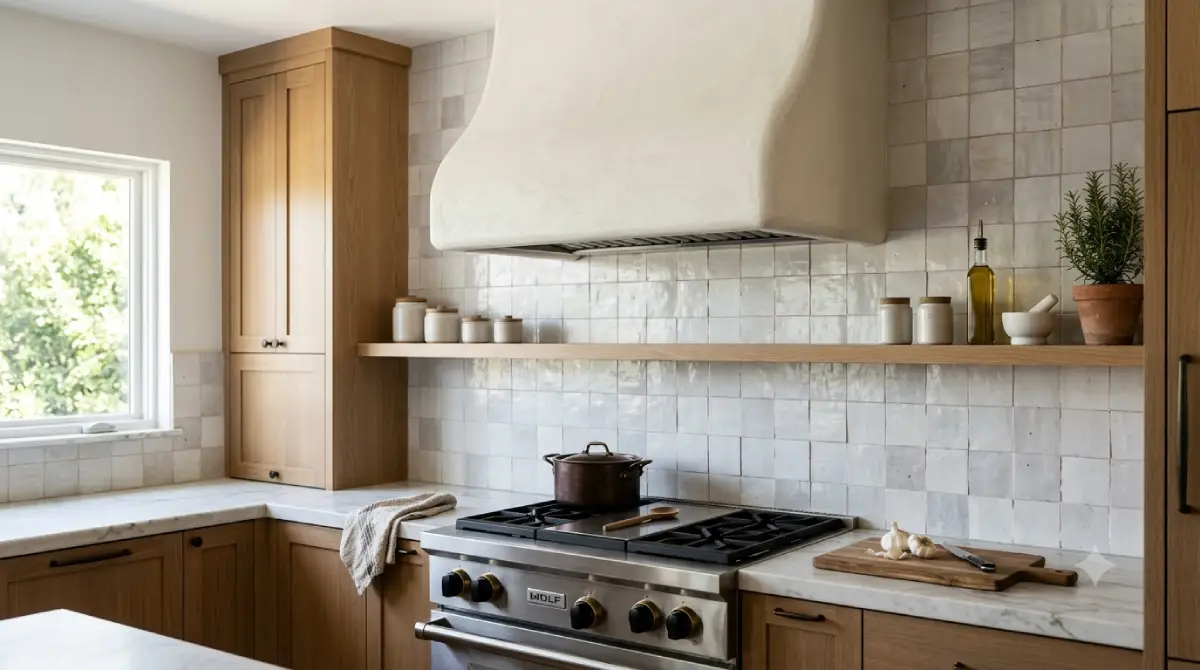
Modern kitchens are no longer defined by cabinetry and countertops alone. Today’s most memorable spaces embrace architectural details that create depth, warmth, and personality, and one feature has quickly become a designer favorite: the plaster range hood. Once reserved for luxury custom homes, plaster range hoods are now appearing in everything from organic modern and Scandinavian kitchens to Mediterranean villas and contemporary farmhouse interiors.
Unlike stainless steel or painted wood hoods, a plaster finish introduces a soft, handcrafted texture that instantly elevates the room. Its seamless appearance allows the hood to blend naturally into the surrounding architecture while still serving as a beautiful focal point. Whether paired with warm white oak cabinets, dramatic natural stone, or sleek minimalist finishes, the right plaster hood creates a timeless statement that feels sophisticated without overwhelming the space.
In this guide, you’ll discover inspiring plaster range hood ideas, expert decorating advice, common design mistakes to avoid, and practical styling tips to help you create a kitchen that looks professionally designed. Whether you’re planning a complete renovation or simply collecting inspiration for a future remodel, these ideas will help you choose a plaster range hood that complements your home’s style and stands the test of time.
Table of Contents
1- Why Plaster Range Hood Ideas Are Defining Stunning Modern Kitchens
The popularity of plaster range hood ideas isn’t just another passing design trend. Instead, it reflects a broader movement toward interiors that feel authentic, warm, and connected to natural materials. Homeowners today want kitchens that balance clean modern lines with subtle texture, creating spaces that feel inviting rather than overly polished.
A plaster range hood accomplishes exactly that.
Instead of drawing attention with shiny finishes or heavy ornamentation, it creates visual interest through gentle curves, handcrafted texture, and architectural simplicity. This understated elegance allows other design elements such as marble countertops, natural wood cabinetry, or statement lighting to shine while still giving the room a refined focal point.
One of the biggest advantages of plaster is its versatility. Unlike many decorative finishes that only suit one design style, plaster adapts beautifully to a wide variety of interiors.
| Kitchen Style | Why a Plaster Range Hood Works |
|---|---|
| Organic Modern | Adds soft texture to minimalist spaces. |
| Mediterranean | Complements limewashed walls, stone, and wood. |
| Modern Farmhouse | Softens rustic materials while maintaining a clean look. |
| Scandinavian | Enhances simplicity with natural warmth. |
| Transitional | Bridges traditional details with modern finishes. |
| Contemporary | Creates architectural interest without excessive decoration. |
Because plaster has a matte finish, it reflects light differently than glossy painted surfaces. This subtle quality gives kitchens a calmer atmosphere and helps large ventilation hoods appear less bulky.
Why Designers Prefer Plaster Over Traditional Hood Materials
Professional designers often choose plaster because it creates a custom-built appearance that feels integrated into the architecture of the home.
Instead of looking like an appliance mounted on the wall, the hood becomes part of the room itself.
This seamless look works especially well in open-concept homes where the kitchen is visible from living and dining spaces. A beautifully finished plaster hood feels elegant from every angle, helping the entire space flow together naturally.
Another reason plaster has become so desirable is its timeless appeal.
While stainless steel remains practical, it can sometimes feel overly commercial or cold in residential settings. Painted wood hoods may follow short-lived color trends that eventually become dated.
A neutral plaster finish, however, rarely goes out of style because it emphasizes texture rather than bold color.
When a Plaster Range Hood Is the Right Choice
A plaster range hood performs best when your goal is creating a warm, layered kitchen rather than a highly industrial one.
It works especially well if your kitchen includes:
- Natural stone countertops
- White oak or walnut cabinetry
- Neutral color palettes
- Handmade tile backsplashes
- Warm brass or bronze hardware
- Organic textures
- Soft architectural curves
These materials naturally complement the subtle character of plaster, creating a cohesive design that feels thoughtfully curated.
When You May Want to Choose Another Style
Although plaster is incredibly versatile, it isn’t the perfect solution for every kitchen.
For example, ultra-industrial lofts featuring exposed brick, black steel, and polished concrete often benefit more from stainless steel or black metal range hoods that reinforce the industrial aesthetic.
Similarly, highly traditional kitchens with ornate carved cabinetry may be better suited to detailed wood hood surrounds that match existing millwork.
Choosing a hood that complements the home’s architectural style always creates a more balanced result than following trends alone.
Designer Tip: Let the Hood Become the Focal Point
One mistake homeowners frequently make is trying to highlight every feature in the kitchen at once.
If your plaster range hood is designed as the focal point, avoid pairing it with an overly busy backsplash, multiple competing textures, or dramatic cabinet colors.
Instead, allow the hood to command attention by surrounding it with quieter finishes.
A simple slab backsplash, understated cabinet hardware, and clean floating shelves often create a far more luxurious result than adding additional decorative elements.
Choosing the Right Shape
The silhouette of your plaster range hood has a major impact on the overall mood of the kitchen.
Curved hoods feel soft, welcoming, and timeless. They work beautifully in Mediterranean, organic modern, and transitional homes.
Tapered designs offer a more contemporary appearance with clean lines that suit modern interiors.
Box-style plaster hoods provide a minimalist look and pair well with Scandinavian and contemporary kitchens where simplicity is the priority.
Rather than selecting a shape based solely on trends, consider repeating architectural forms already found throughout your home. If your home features arched doorways or curved windows, a rounded plaster hood reinforces that visual language and creates a harmonious design.
Budget Considerations
A plaster range hood can fit a variety of remodeling budgets depending on the level of customization.
| Budget Level | What to Expect |
|---|---|
| Budget ($800–$1,800) | Prefabricated hood with a plaster-look finish or plaster over MDF framing. |
| Mid-Range ($1,800–$4,000) | Custom-built hood with quality plaster finish and personalized dimensions. |
| Luxury ($4,000–$10,000+) | Artisan-crafted plaster hood with premium lime plaster, custom curves, integrated lighting, and bespoke detailing. |
While custom plaster hoods require a larger investment, they often become one of the most memorable design features in the entire kitchen and can contribute to a higher perceived home value.
Ultimately, the most successful kitchens don’t rely on expensive finishes alone. They combine thoughtful proportions, natural materials, and timeless architectural details that continue to look beautiful long after trends have changed. A well-designed plaster range hood does exactly that, making it one of the smartest focal-point investments for homeowners seeking a kitchen that feels elegant, welcoming, and effortlessly modern.
2- 27 Plaster Range Hood Ideas to Bring Semodern plaster range hoodamless Architectural Texture into Modern Kitchens
A beautiful plaster range hood should do more than hide ventilation it should anchor your kitchen design and create a focal point that feels intentional. The best modern plaster range hood balance proportion, texture, and surrounding materials, allowing the hood to complement the entire space instead of competing with it.
Below are 27 designer-approved ideas, along with advice on when each style works best, when to avoid it, and how to achieve the look.
1. Classic Curved Plaster Range Hood
A softly curved hood is timeless and works in almost any kitchen style.
Best for: Organic modern, transitional, Mediterranean, and European-inspired kitchens.
Avoid if: Your kitchen features only sharp, geometric lines.
Designer Tip: Pair with white oak cabinets and a marble backsplash for a luxurious yet understated look.
2. Minimalist Box-Style Hood
Clean lines create a sleek architectural statement without overwhelming the room.
Best for: Scandinavian and contemporary kitchens.
Avoid if: Your home leans heavily traditional.
Choose flat-front cabinetry and simple hardware to maintain a cohesive design.
3. Tapered Plaster Hood
A tapered silhouette narrows toward the ceiling, making ceilings appear taller.
Best for: Kitchens with 8-9-foot ceilings.
Designer Tip: Install vertical backsplash tiles to enhance the height illusion.
4. Limewash Plaster Finish
A limewashed finish adds subtle movement and depth.
Best for: Warm neutral interiors.
Avoid: High-gloss kitchens with polished surfaces throughout.
5. Venetian Plaster Hood
Venetian plaster offers a refined, handcrafted appearance with elegant texture.
Perfect for luxury kitchens where craftsmanship is a priority.
6. White-on-White Statement Hood
Match the hood to white cabinetry and walls for a seamless architectural effect.
This creates a calm, airy atmosphere while allowing textures to become the focal point.
7. Warm Beige Plaster Hood
Warm beige softens modern kitchens and complements natural wood beautifully.
Ideal for homes embracing earthy, organic color palettes.
8. Oversized Ceiling-Height Hood
Extend the hood all the way to the ceiling for dramatic impact.
Best for: Kitchens with high ceilings.
The added height creates a custom-built appearance that instantly elevates the room.
9. Arched Plaster Hood
Gentle arches introduce softness and architectural character.
Pair with arched doorways or curved windows for visual continuity.
10. Plaster Hood with Marble Backsplash
Combining soft plaster with dramatic veined marble creates timeless contrast.
Keep surrounding cabinetry simple so both materials can shine.
11. Plaster Hood with White Oak Cabinets
This is one of today’s most requested designer combinations.
The warmth of natural oak balances the cool elegance of plaster perfectly.
12. Rustic European Style
Use textured plaster with reclaimed wood beams and aged brass fixtures.
The result feels collected rather than newly built.
13. Floating Shelf Integration
Install floating wood shelves beside the hood instead of upper cabinets.
This keeps the kitchen open and showcases decorative accessories.
14. Full Slab Stone Surround
Extend the backsplash behind the plaster hood using one continuous slab.
Large-format stone minimizes grout lines and emphasizes luxury.
15. Hidden Vent Design
A concealed insert allows the plaster surround to take center stage.
Visitors notice the beautiful architecture not the appliance.
16. Soft Greige Finish
Greige introduces warmth without overpowering neutral cabinetry.
It also hides minor dust better than bright white finishes.
17. Organic Modern Style
Combine plaster, natural wood, linen textures, and handmade ceramics.
This layered approach creates warmth while maintaining simplicity.
18. Mediterranean Inspiration
Use creamy plaster with zellige tile, rustic wood accents, and warm bronze hardware.
The result feels relaxed, timeless, and inviting.
19. Contemporary Luxury
Pair smooth plaster with waterfall quartz countertops and integrated LED lighting.
This creates a sophisticated yet uncluttered kitchen.
20. Double-Height Kitchen Feature
In homes with vaulted ceilings, extend the hood dramatically upward.
Large vertical features make open-concept kitchens feel balanced.
21. Black Hardware Contrast
Matte black faucets and cabinet pulls stand out beautifully against creamy plaster.
Use this approach sparingly to avoid visual heaviness.
22. Textured Hand-Finished Surface
Slight variations in texture give the hood authentic artisan character.
Avoid making it perfectly smooth—the handcrafted finish is part of its appeal.
23. Integrated Wood Trim
A slim walnut or oak trim around the hood introduces warmth without making it feel rustic.
This detail works especially well in transitional kitchens.
24. Statement Pendant Pairing
Choose oversized pendants that complement rather than compete with the hood.
Simple linen or glass fixtures usually work better than highly decorative chandeliers.
25. Floor-to-Ceiling Neutral Palette
Use shades of cream, ivory, taupe, and warm white throughout the room.
The consistent palette emphasizes texture instead of color.
26. Mixed Natural Materials
Layer plaster with limestone, oak, marble, linen, and brushed brass.
Mixing natural materials creates depth while maintaining a cohesive look.
Designer Tip: Limit your palette to three or four main materials to avoid visual clutter.
27. Custom Artisan Plaster Hood
A handcrafted hood tailored to your kitchen becomes a one-of-a-kind architectural centerpiece.
This option offers complete control over size, curves, texture, and finish.
While it’s the most expensive choice, it also delivers the greatest visual impact and long-term value.
Quick Style Comparison
| Style | Best For | Budget | Difficulty |
|---|---|---|---|
| Curved Plaster Hood | Timeless interiors | $$$ | Medium |
| Box-Style Hood | Modern kitchens | $$ | Easy |
| Tapered Hood | Transitional homes | $$$ | Medium |
| Venetian Plaster | Luxury kitchens | $$$$ | High |
| Limewash Finish | Organic modern | $$$ | Medium |
| Ceiling-Height Hood | Large kitchens | $$$$ | High |
| Rustic European | Farmhouse & Mediterranean | $$$ | Medium |
| Hidden Vent Hood | Minimalist kitchens | $$$$ | High |
Designer Shopping Advice
Not every plaster range hood needs to be fully custom. If you’re remodeling on a tighter budget, consider a prefabricated hood frame finished with high-quality plaster. This approach captures the same architectural look for a lower cost.
For mid-range renovations, a custom-built plaster hood offers better proportions and a more seamless fit, making it a worthwhile investment if the kitchen is your home’s centerpiece.
Luxury projects benefit from artisan-applied lime or Venetian plaster, custom curves, integrated lighting, and premium vent inserts. These details create a bespoke appearance that adds both visual appeal and long-term value.
As you evaluate plaster range hood ideas, remember that the most successful kitchens focus on balance rather than excess. A beautifully designed hood paired with complementary materials, thoughtful lighting, and restrained styling will always feel more elegant than a space filled with competing focal points.
3- Plaster Range Hood Ideas Compared: Styles, Materials, Finishes, Costs, Pros and Cons, Plus Expert Styling Tips
Choosing among different plaster range hood ideas is about much more than appearance. The right design should complement your kitchen’s architecture, suit your lifestyle, and fit your renovation budget. A hood that looks stunning in a Mediterranean-inspired home may feel completely out of place in an ultra-modern loft, while an expensive custom finish may not be necessary for every project.
Before investing, compare styles, materials, maintenance requirements, and long-term value. Thinking through these factors now can help you avoid costly changes later and create a kitchen that feels cohesive for years to come.
Comparing the Most Popular Plaster Range Hood Styles
Each style creates a different mood and works best in specific interiors.
| Style | Best For | Pros | Cons |
|---|---|---|---|
| Curved | Organic Modern, Transitional | Timeless, soft appearance | More expensive to build |
| Box Style | Contemporary, Scandinavian | Clean, minimalist design | Can feel plain in traditional homes |
| Tapered | Transitional, Modern Farmhouse | Adds height and elegance | Requires precise proportions |
| Arched | Mediterranean, European | Adds architectural character | Doesn’t suit every home style |
| Ceiling-Height | Luxury homes | Dramatic focal point | Higher installation cost |
Designer Insight: If you’re unsure which style to choose, a gently curved hood is the safest investment because it complements the widest range of kitchen designs and is less likely to look dated.
Which Material Is Best?
The plaster finish is only one part of the hood. The structure underneath also matters.
| Material | Budget | Durability | Best Use |
|---|---|---|---|
| MDF Core | $ | Good | Budget remodels |
| Plywood Frame | $$ | Very Good | Most custom kitchens |
| Steel Insert + Plaster Finish | $$$ | Excellent | Luxury renovations |
| Masonry Construction | $$$$ | Excellent | High-end custom homes |
For most homeowners, a plywood-framed hood with a professional plaster finish provides the best balance of durability, appearance, and cost.
Understanding Plaster Finishes
Not all plaster finishes create the same look.
| Finish | Appearance | Maintenance | Ideal Style |
|---|---|---|---|
| Smooth Plaster | Clean and refined | Easy | Contemporary |
| Lime Plaster | Soft, natural movement | Moderate | Organic Modern |
| Venetian Plaster | Luxurious with subtle depth | Moderate | Luxury Interiors |
| Textured Hand-Applied Plaster | Rustic character | Easy | Mediterranean & Farmhouse |
If your kitchen already includes heavily veined stone or textured tile, a smoother plaster finish usually creates better balance. On the other hand, minimalist kitchens often benefit from a lightly textured plaster surface that adds visual warmth.
Budget Breakdown
Knowing where to invest can make a significant difference in the final result.
| Budget Level | Estimated Cost | Recommendation |
|---|---|---|
| Budget | $800–$1,800 | Prefabricated hood with plaster-look finish |
| Mid-Range | $1,800–$4,000 | Custom hood with professional plaster application |
| Luxury | $4,000–$10,000+ | Fully custom artisan-built plaster hood |
If you’re remodeling your entire kitchen, it’s often worth allocating more of your budget to the hood because it’s one of the first features people notice.
Pros and Cons of Plaster Range Hoods
| Pros | Cons |
|---|---|
| Timeless architectural appeal | Higher cost than standard metal hoods |
| Creates a custom-built appearance | Professional installation recommended |
| Complements many design styles | May require occasional touch-ups |
| Adds warmth and texture | Not ideal for industrial interiors |
| Increases perceived home value | Custom projects take longer |
The benefits often outweigh the drawbacks, especially if you’re designing a kitchen meant to remain stylish for many years.
Expert Styling Tips
Balance Texture Carefully
A plaster hood already introduces texture, so avoid combining it with too many competing finishes.
For example, if you have rough stone countertops, heavily distressed wood cabinets, and patterned backsplash tiles, the room may begin to feel visually crowded.
Instead, let one or two materials become the stars of the design.
Repeat Natural Materials
One trick designers use is repetition.
If your hood features warm creamy plaster, repeat similar tones elsewhere through linen window treatments, oak shelving, woven stools, or handmade ceramics.
Repeating materials creates rhythm and makes the room feel thoughtfully designed.
Layer Lighting
Lighting dramatically changes how plaster appears throughout the day.
Install warm LED lighting beneath cabinets and choose decorative pendants with soft, warm bulbs.
Cool white lighting often makes plaster appear flat, while warmer lighting highlights its handcrafted texture.
Keep Countertops Simple
If your hood is highly textured, avoid extremely busy countertops.
Quartz with soft veining or marble with subtle movement often pairs better than dramatic patterns.
This keeps the kitchen elegant rather than overwhelming.
Shopping Advice
Before purchasing a plaster hood, ask yourself these questions:
- Is the hood proportional to my kitchen?
- Does it complement my cabinet style?
- Will the finish coordinate with my backsplash?
- Is the vent insert powerful enough for my cooking habits?
- Can the finish be repaired if damaged?
Many homeowners focus only on appearance and forget to evaluate ventilation performance. A beautiful hood should also remove smoke, grease, and cooking odors effectively.
If you cook frequently or use high-BTU gas ranges, invest in a quality insert from a reputable manufacturer and build the plaster surround around it.
Common Decorating Mistakes
Even beautiful plaster range hood ideas can lose their impact if paired with the wrong design choices.
Choosing the Wrong Scale
One of the biggest mistakes is selecting a hood that’s too small for the cooking area. An undersized hood can make the entire kitchen feel unbalanced.
A hood should generally be slightly wider than the cooktop whenever possible, creating both visual balance and effective ventilation.
Mixing Too Many Styles
Combining industrial lighting, rustic beams, contemporary cabinets, and Mediterranean plaster often creates confusion rather than character.
Instead, choose one primary design style and incorporate subtle influences from one secondary style.
Ignoring Ceiling Height
A dramatic ceiling-height hood looks incredible in a spacious kitchen with vaulted ceilings, but it can overwhelm a room with standard 8-foot ceilings.
Always design in proportion to the architecture.
Following Short-Lived Trends
Bright colors, excessive decorative moldings, or highly ornate details may feel exciting today but can quickly become outdated.
Neutral plaster finishes, simple silhouettes, and natural materials have much greater staying power.
Designer Secrets for a High-End Look
Professional designers often rely on subtle details rather than expensive finishes alone.
One of the simplest upgrades is extending the backsplash behind the hood using the same slab of stone. This eliminates visual interruptions and creates a seamless, custom appearance.
Another trick is limiting the number of finishes in the kitchen. Rather than introducing six or seven different materials, focus on three or four complementary elements such as plaster, oak, marble, and brushed brass. This restraint makes the entire space feel more sophisticated.
Finally, don’t overlook styling. A few thoughtfully chosen accessories, such as handcrafted pottery, a wooden cutting board, or a small arrangement of greenery, can soften the kitchen without distracting from the architectural beauty of the plaster hood.
The most successful plaster range hood ideas aren’t necessarily the most expensive they’re the ones that feel intentional, balanced, and perfectly suited to the home. When every material, finish, and proportion works together, the result is a kitchen that feels timeless, inviting, and professionally designed.
4- How to Choose the Perfect Plaster Range Hood, Decorating Mistakes to Avoid, and Designer Secrets for a Timeless Modern Kitchen
After exploring these plaster range hood ideas, the next step is choosing a design that works beautifully in your own home. While it’s tempting to focus only on photos from Pinterest or Instagram, the most successful kitchens are designed around the home’s architecture, daily lifestyle, and long-term goals not short-lived trends.
A thoughtfully selected plaster range hood should feel like it has always belonged in the space. It should enhance the kitchen without overpowering it and continue looking elegant years after the renovation is complete.
Start With Your Kitchen’s Style
Before selecting a hood, identify your kitchen’s overall design direction.
A plaster hood should support the style rather than introduce a completely different aesthetic.
| Kitchen Style | Best Hood Choice | Recommended Finish |
|---|---|---|
| Organic Modern | Curved | Smooth or Lime Plaster |
| Scandinavian | Box Style | Smooth White Plaster |
| Modern Farmhouse | Tapered | Warm White Textured Plaster |
| Mediterranean | Arched | Hand-Applied Lime Plaster |
| Transitional | Curved | Soft Ivory Plaster |
| Contemporary | Minimal Box | Smooth Matte Finish |
When every architectural feature speaks the same design language, the kitchen feels polished and professionally designed.
Match the Hood to Your Cabinetry
Cabinet style influences the type of hood that looks most natural.
Simple slab cabinets pair beautifully with clean-lined plaster hoods, while shaker cabinets work well with softly curved or tapered profiles.
If your cabinetry already includes decorative moldings or raised panels, avoid choosing an overly ornate hood. Too many focal points can make the room feel busy.
A good rule is to let either the cabinetry or the hood become the statement piece not both.
Coordinate With Countertops and Backsplashes
A plaster hood should complement surrounding materials instead of competing with them.
Here are some designer-approved combinations:
| Countertop | Backsplash | Hood Finish |
|---|---|---|
| White Marble | Full Slab Marble | Smooth White Plaster |
| Taj Mahal Quartzite | Matching Slab | Warm Ivory Plaster |
| Quartz | Handmade Zellige Tile | Lime Plaster |
| Soapstone | White Tile | Cream Plaster |
| Concrete | Large Porcelain Slab | Smooth Greige Plaster |
Keeping the palette cohesive allows the hood’s texture to stand out naturally.
Choosing the Right Size
Scale is one of the most overlooked aspects of kitchen design.
A hood that is too narrow can appear disconnected from the cooking area, while one that’s too large may overwhelm the room.
As a general guideline:
- A 30-inch cooktop pairs well with a 36-inch hood.
- A 36-inch range typically looks best beneath a 42-inch hood.
- Larger professional ranges often require wider custom hoods for both aesthetics and performance.
When in doubt, slightly larger usually looks more balanced than slightly smaller.
Decorating Mistakes to Avoid
Even the most beautiful plaster range hood can lose its impact if paired with poor design decisions.
Using Too Many Statement Materials
Combining dramatic marble, bold wallpaper, patterned floors, colorful cabinetry, and a textured hood often creates visual clutter.
Instead, choose one primary focal point and allow supporting materials to remain subtle.
Ignoring Natural Light
Plaster changes appearance depending on lighting conditions.
Before finalizing the finish, view samples in both daylight and evening lighting.
Warm natural light enhances plaster’s texture, while cooler artificial lighting may flatten its appearance.
Choosing Trendy Colors
Bright paint colors can quickly date a kitchen.
Soft whites, creamy neutrals, greige, and warm beige remain timeless and work with changing décor over the years.
Forgetting Practical Maintenance
Although plaster is durable, it isn’t maintenance-free.
Choose a sealed finish in kitchens where frequent cooking produces grease and steam.
A properly sealed surface is easier to clean and helps preserve the hood’s appearance.
Designer Secrets for a Timeless Kitchen
Professional designers rely on subtle details that many homeowners overlook.
Create Layers Instead of Contrast
Rather than introducing bold color everywhere, layer different textures.
Combine plaster with wood, stone, linen, and brushed metal for depth without visual chaos.
Limit Your Material Palette
Luxury kitchens rarely include a large number of unrelated materials.
Aim for three or four primary finishes throughout the room.
For example:
- White oak
- Cream plaster
- Marble
- Aged brass
This restrained approach creates harmony and allows each material to stand out.
Add Warmth Through Accessories
A beautifully designed hood deserves equally thoughtful styling.
Decorate nearby open shelves with handcrafted ceramics, wooden cutting boards, cookbooks, or a simple vase of greenery.
Avoid overcrowding shelves with small decorative objects. Empty space helps the architecture breathe.
Invest in Quality Ventilation
A plaster surround is only as good as the ventilation system inside it.
Choose a high-quality insert that matches your cooking habits.
If you cook daily or own a professional gas range, prioritize airflow and noise performance over decorative extras.
Beautiful design should never come at the expense of functionality.
Budget-Friendly, Mid-Range, and Luxury Recommendations
| Budget | Recommendation | Ideal For |
|---|---|---|
| Budget ($800–$1,800) | Prefabricated hood with plaster-look finish | Cosmetic kitchen updates |
| Mid-Range ($1,800–$4,000) | Custom wood frame with professional plaster application | Most home renovations |
| Luxury ($4,000–$10,000+) | Artisan-built plaster hood with premium vent insert | High-end custom homes |
Remember that a well-designed mid-range hood often delivers nearly the same visual impact as a luxury installation when paired with quality materials and thoughtful styling.
Conclusion
The best plaster range hood ideas do more than improve ventilation they transform an ordinary kitchen into a space that feels warm, refined, and architecturally rich. Whether you prefer a minimalist box design, a graceful curved silhouette, or a handcrafted lime luxury plaster range hood finish, the right hood can become the centerpiece that ties every element of your kitchen together.
As you plan your renovation, focus on timeless materials, balanced proportions, and a cohesive palette rather than chasing short-lived trends. Pair your plaster hood with natural wood, elegant stone, warm metallic accents, and thoughtful lighting to create a kitchen that feels both inviting and sophisticated.
Most importantly, choose a design that reflects how you live. A well-proportioned modern plaster range hood with quality craftsmanship and reliable ventilation will continue to serve your home beautifully for years to come, proving that great design is always about blending beauty with everyday function.
FAQs about 27 Plaster Range Hood Ideas for a Stunning Modern Kitchen
Are plaster range hoods still in style?
Absolutely. They remain one of the most sought-after features in modern, organic, Mediterranean, and transitional kitchens because they add warmth, texture, and timeless architectural appeal.
Are plaster range hoods difficult to maintain?
Not when they’re properly sealed. Routine dusting and occasional wiping with a soft, damp cloth are usually enough. Avoid abrasive cleaners that could damage the finish.
Can a modern plaster range hood work in a small kitchen?
Yes. In smaller kitchens, choose a simple curved or box-style hood with clean lines. Avoid oversized or heavily detailed designs that can make the room feel crowded.
What cabinet colors pair best with luxury plaster range hood?
White, off-white, warm greige, natural oak, walnut, and soft sage green all complement plaster beautifully without competing with its texture.
Is a custom plaster hood worth the investment?
If the kitchen is a major focal point of your home, a custom plaster hood can significantly elevate the overall design. It creates a tailored architectural feature that often adds lasting visual appeal and can enhance the perceived value of the space.